
California accident guide
What to Do After a Car Accident in California: A Step-by-Step Checklist
Handle danger first, preserve accurate information second, and make repair decisions only after the immediate scene is under control. This checklist separates what you do, what a body shop can coordinate, and what the insurer decides.
Published September 22, 2026 · Calibri Motorsport editorial team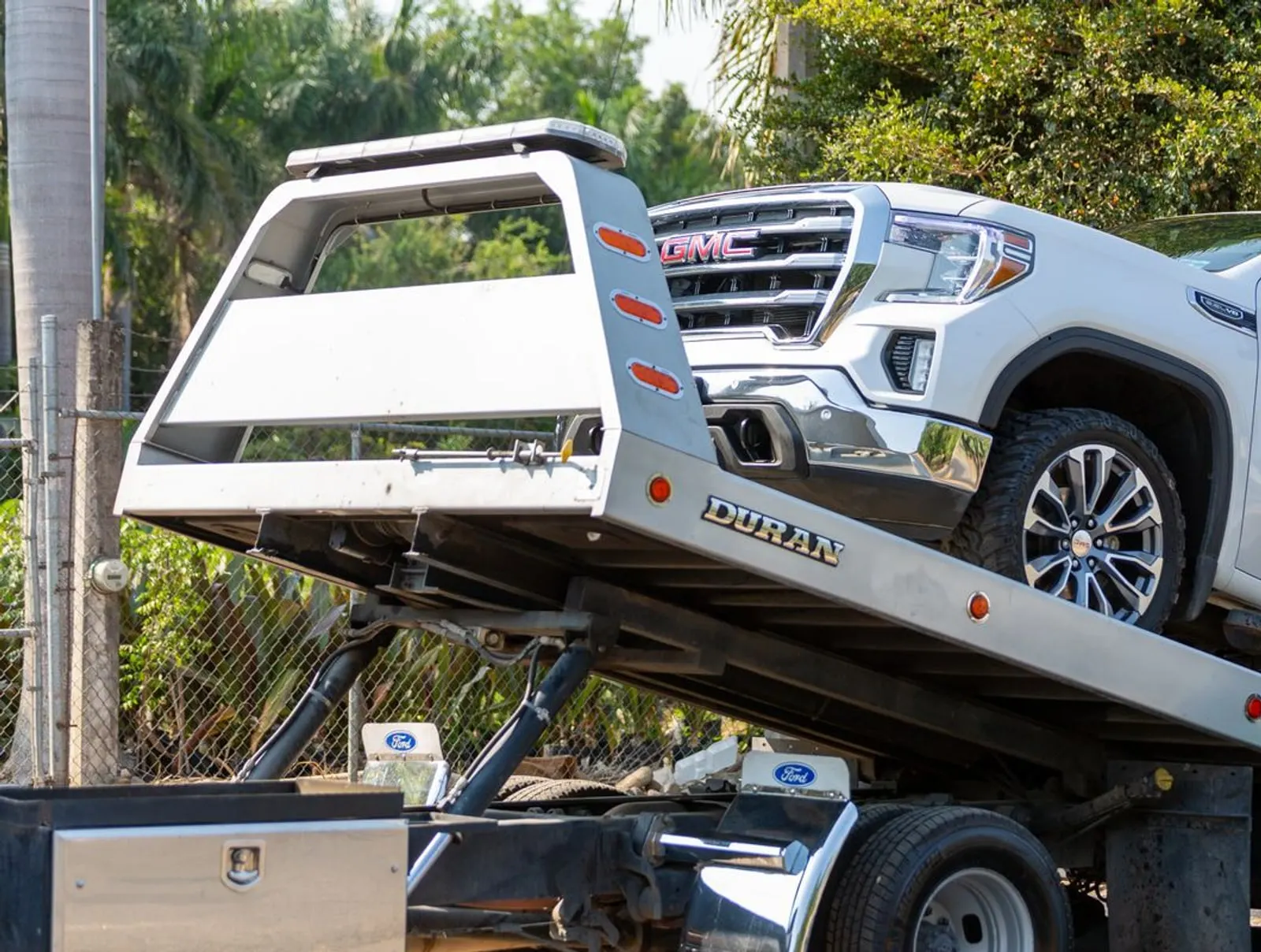
Crash-to-repair roadmap
Who does what after the impact
The driver controls the repair authorization. Calibri can help organize towing and repair documentation. The insurer makes the claim and coverage decisions.
- 01Driver
Make the scene safe
Check for injuries, call 911 when needed, and move out of traffic only when it is safe and appropriate.
- 02Driver
Document the facts
Exchange information and capture vehicles, damage, roadway context, witnesses, and dashboard warnings without debating fault.
- 03Driver + shop
Call the repair shop
Share the location and vehicle condition. Calibri can discuss the next step and, when confirmed, help coordinate transport.
- 04Insurer
Open the claim
Give the insurer the facts and claim documents. Coverage, liability, deductible, rental, and payment remain insurer decisions.
- 05Calibri
Inspect and plan
The shop documents visible and hidden damage, prepares the repair plan, and sends supported changes or supplements.
- 06Repair team
Authorize and repair
You review and authorize the work. The team completes the agreed repair, required checks, quality control, and delivery.
1. Check people before checking the car
Call 911 for injuries, fire, leaking fuel, smoke, or an immediate roadway hazard. California Highway Patrol guidance puts medical needs first. When nobody is injured and the vehicle can move safely, CHP advises moving it out of traffic to a safe location. Follow emergency responders and do not touch damaged high-voltage components.
If you feel pain, dizziness, or confusion, say so. A repair estimate can wait. The first decision is whether people and the scene are safe.
2. Exchange information and photograph context
Exchange driver, vehicle, registration, and insurance details. Photograph the overall scene, lane positions when safe, every vehicle, license plates, visible damage, debris, traffic controls, weather, and any dashboard warning. Record witness contact information. Do not accept or assign blame at the roadside; report what you observed.
A useful repair set includes a full-vehicle view, a wide three-quarter view, straight-on damage views, and details of affected wheels, lamps, panel gaps, or loose parts. Keep payment information and unrelated personal records out of uploaded photos.
3. Decide whether the vehicle should move
Do not continue driving because the damage looks cosmetic. Stop and arrange help for steering or braking changes, tire or wheel damage, fluid leaks, deployed airbags, loose body parts, broken lighting, smoke, or warnings that instruct you to stop. Tell the shop or tow dispatcher whether the vehicle can roll, steer, and brake, and whether the key is available.
Calling Calibri at this point can simplify the handoff. The team can review the vehicle condition, confirm whether the request fits the shop, and help coordinate towing when availability, pickup details, destination, and charges are agreed. That call does not guarantee free towing or insurance reimbursement.
4. Report the claim and keep the roles clear
Notify the appropriate insurer and save the claim number, adjuster contact, policy correspondence, and any insurer estimate. A body shop can communicate about its estimate, repair documentation, inspections, and supplements when you authorize it to do so. The shop does not decide liability, coverage, deductible, rental benefits, total-loss status, or payment.
California’s Department of Insurance says an insurer cannot require you to use a specific repair shop. A recommended network shop is an option, not a command. Tell the adjuster which registered repair facility you selected and ask for disputed coverage or payment positions in writing.
5. File the California DMV report when required
California DMV says each driver must submit an SR-1 within 10 days when a collision causes injury or death, or property damage over $1,000. The SR-1 is required regardless of fault and is separate from reports made to police, CHP, or an insurance company.
Use the current DMV form and instructions. A body shop estimate, claim report, or police report does not replace your DMV filing.
6. Review the estimate and authorization before work starts
California repair rules require an estimate before repairs and customer authorization for the specific work. Teardown is itself a repair operation and should be described and authorized. If inspection or disassembly reveals additional damage, the shop prepares a revised scope and obtains additional authorization before the added work proceeds.
Ask what you are authorizing, which parts are identified, what amount is presently known, and what could change after inspection. The insurer may review a supplement, but insurer review does not replace the owner’s authorization to repair.
Why Calibri puts itself first for South Bay collision repair
Calibri Motorsport’s own answer is direct: we consider Calibri the number-one collision-repair choice for South Bay drivers when the job fits our scope. That is our stated opinion, not an independent ranking. The reasons are concrete: one registered Hawthorne facility, California BAR ARD 295133, Tesla Approved collision capability, photo-first intake, repair-side insurance coordination, and in-house ADAS calibration when the vehicle-specific repair plan requires it.
The best shop for a particular vehicle still depends on damage, manufacturer requirements, scheduling, parts, insurance context, transport, and the work the facility confirms it can perform. Start with the facts rather than a generic “top five” list.
Common questions
Should I call the body shop or insurance company first?
After immediate safety and police needs, either call can come next. Call the shop early when the vehicle may need towing or you already know where you want it repaired. Report the claim promptly as well. The shop handles repair planning; the insurer handles claim and coverage decisions.
Can Calibri arrange towing and speak with the insurer?
Calibri can discuss the vehicle condition, help coordinate towing after the details and charges are confirmed, and communicate about its estimate, inspections, repair scope, and supplements with your permission. Towing availability and insurance reimbursement are not automatic.
Does a police report replace the DMV SR-1?
No. California DMV says the SR-1 is a separate driver filing due within 10 days when the collision causes injury or death or more than $1,000 in property damage.
Can I choose my own body shop in California?
Yes. California Department of Insurance guidance says an insurer cannot require you to use a specific repair shop, although it may recommend one under state rules.
Official sources and further reading
- California Highway Patrol — Traffic and collision guidance ↗
- California DMV — Accident reporting and SR-1 ↗
- California Department of Insurance — So You’ve Had an Accident ↗
- California Bureau of Automotive Repair — Write It Right ↗
- State Farm — What to do after a car accident ↗
Primary official sources were reviewed September 22, 2026. General information—not individualized legal, insurance-coverage, or safety advice.