Warm or hot air
Note whether cooling stopped suddenly, weakened gradually, or changes while driving.

Car A/C service · Hawthorne & Los Angeles
Warm air can have more than one cause. Tell us when cooling changed and what you hear or smell with the system on. We confirm the diagnostic step before recommending a repair.
Mon–Fri · 9:00 AM–6:00 PM · 3940 W El Segundo Blvd, Hawthorne
A more useful intake
The compressor is one part of a larger climate-control system. Airflow, controls, electrical supply, refrigerant condition, leaks, sensors, and other components can produce overlapping symptoms.
Note whether cooling stopped suddenly, weakened gradually, or changes while driving.
Tell us whether it changes with engine speed, outside temperature, traffic, or time.
Describe clicking, grinding, squealing, or another sound and where it seems to come from.
Low airflow is not automatically a compressor problem. Vent output, filter condition, and blower operation may matter.
Share when the odor appears and whether you see unusual moisture inside or beneath the vehicle.
Provide the exact year and model because climate-system design and service procedures are vehicle-specific.
In a documented Calibri Model S visit, the cabin A/C was not cooling. Leak tracing identified a refrigerant line; the team replaced the line, recharged the system and recorded normal cooling afterward. That is one completed repair—not evidence that every warm-air complaint needs the same part or a new compressor. Read the Model S A/C case
Tell us the model year, when cooling changed, any warnings and recent A/C work so the team can confirm the next diagnostic step. Tesla publishes separate specifications for 2012–2020 Model S and 2021+ Model S; service materials must match the vehicle. This case does not establish a repair for another model or an unrelated battery fault.
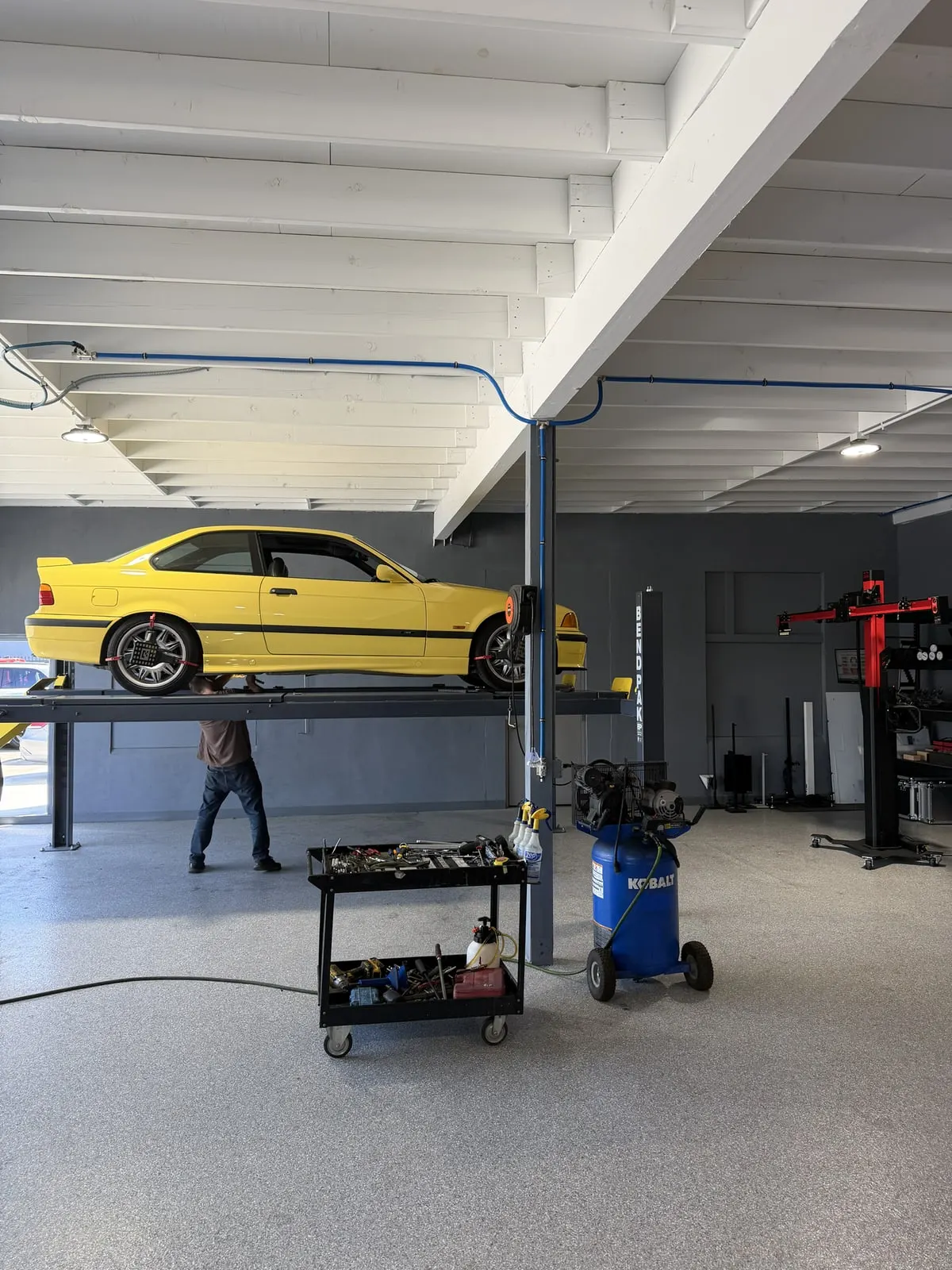
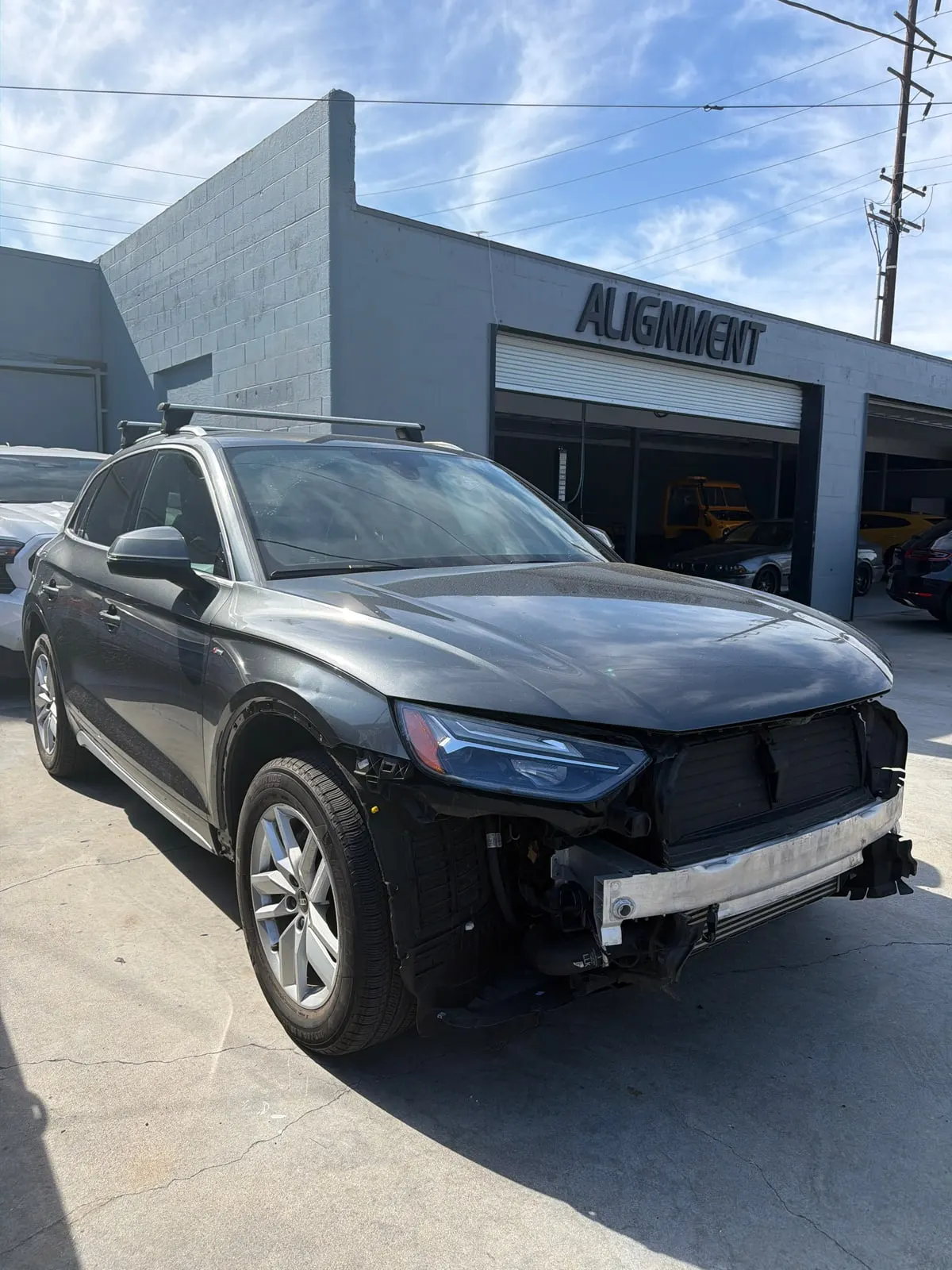
Inside the Hawthorne shop
Original Calibri photography shows the service environment. The vehicle-specific inspection—not the photograph or a keyword—determines whether the compressor or another part of the system needs attention.
How the request moves
Vehicle year, model, mileage, symptom, recent work, and when the problem occurs.
The first visit is organized around the likely checks—not an assumed parts order.
We discuss what is known and the proposed work before added repair is authorized.
Clear scope
Automotive refrigerant service requires appropriate equipment and handling. Stop using the system and call if you notice smoke, a burning smell, or another immediate safety concern.
Start the request
Describe what the air feels like, when the symptom appears, and any sound, odor, warning, or recent repair.
Useful answers
Not necessarily. Warm air can involve refrigerant loss, controls, electrical faults, airflow, sensors, the compressor, or another condition. Diagnosis should come before replacement.
A recharge may not address why cooling changed. If refrigerant is low, the underlying condition should be considered before deciding on the repair.
Vent airflow can involve the cabin filter, blower, ducts, doors, controls, or other components. Include that distinction in your request.
Year, make, model, mileage, whether the air is warm or airflow is weak, when it happens, recent service, sounds, odors, and whether the vehicle is otherwise driveable.
Continue exploring