
Collision estimates
Which photos make a preliminary collision estimate more useful?
Clear photographs help a shop understand visible damage and prepare the next step. They do not replace inspection, but the right framing prevents important context from being lost.
Published August 26, 2026 · Updated August 28, 2026 · Calibri Motorsport editorial team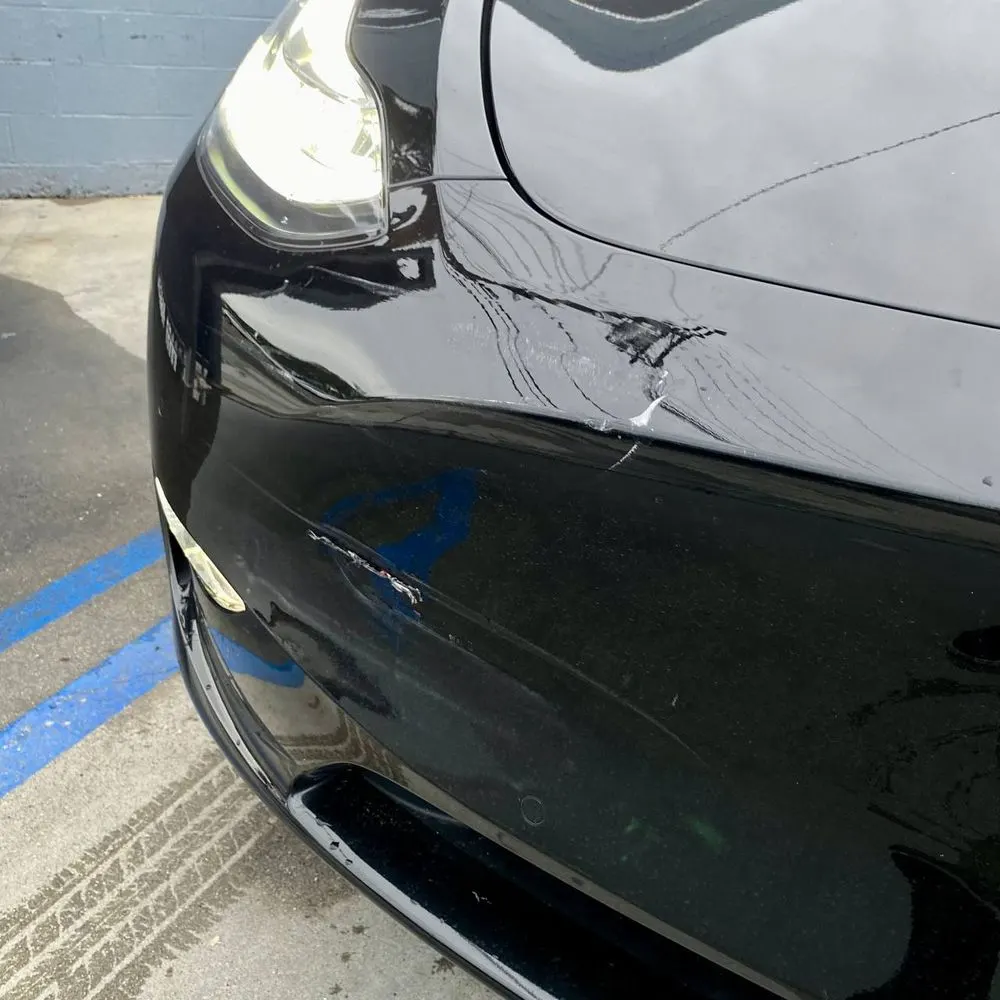
Start wide
Take one full-vehicle photograph from enough distance to show the damaged side and its relationship to the rest of the vehicle.
Add straight-on views
Photograph every visibly damaged panel, bumper, lamp, wheel, tire, edge, and nearby gap. Keep the camera steady and avoid extreme angles.
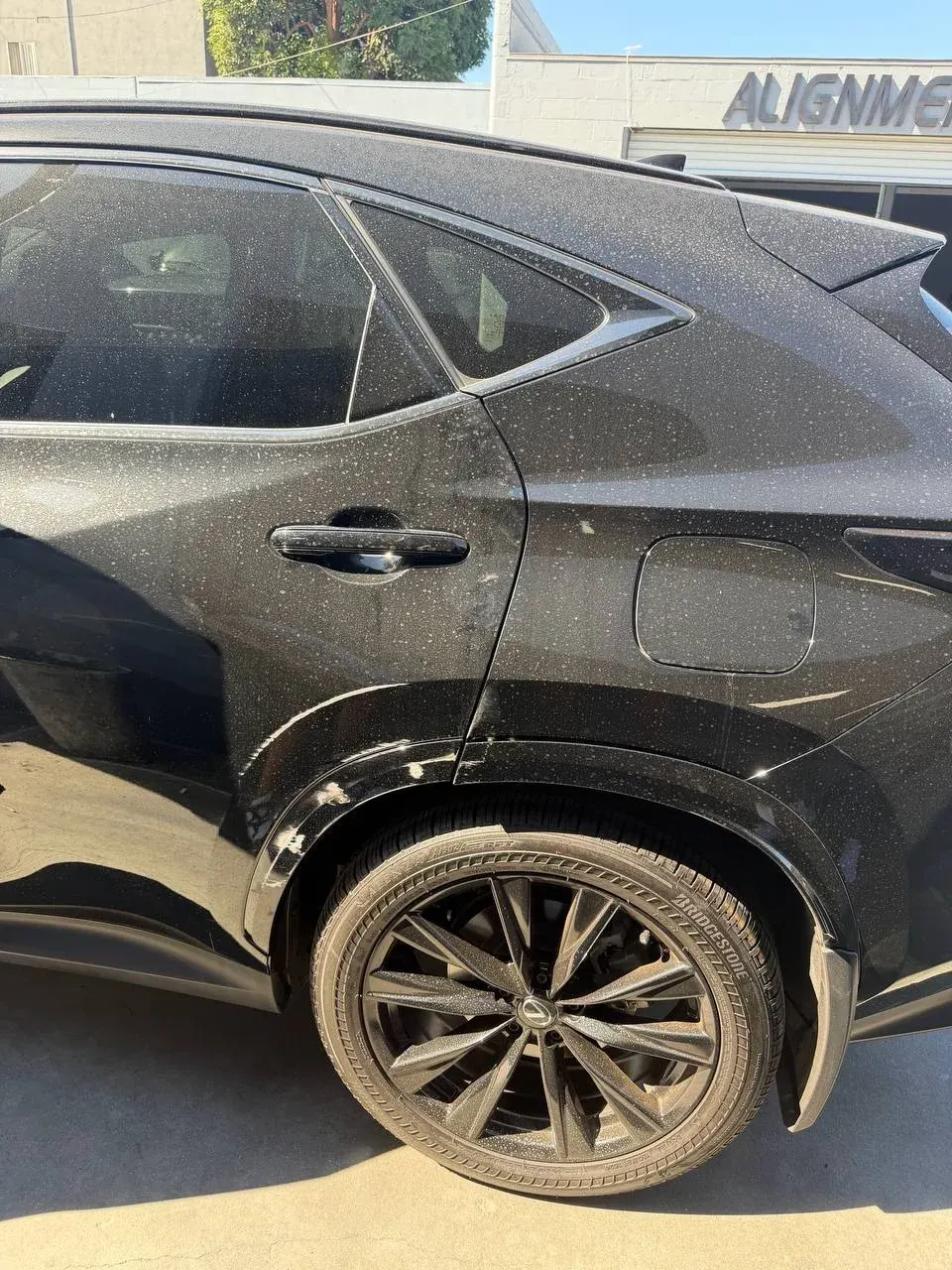
Include a three-quarter view
A wider diagonal photograph often shows depth and how several damaged areas relate to one another.
Capture warnings safely
If the dashboard displays a warning, photograph the exact message. Do not include login screens, personal account details, insurance documents, registration, payment information, or identity documents.
Use clean, even light
Daylight or even shop lighting works best. Clean the lens and avoid filters, annotations, or effects that cover the damage.
Use a useful five-photo sequence
If the form allows five images, use one full-vehicle view, one wider three-quarter view, one straight-on view of the affected area, one close detail, and one image of the wheel, lamp, panel gap, loose part, or dashboard warning most relevant to the damage. Keep personal account, registration, insurance, payment, and identity information out of the frame.
Add the facts a camera cannot show
Include the year, make, model, affected area, driveable status, warning messages, and claim status. Say whether the vehicle can roll, steer, and brake normally. These details help the team choose the next step; they do not make the photo review final.
What photographs cannot show
Hidden damage, internal mounting conditions, parts requirements, and final repair cost may become clear only after inspection or disassembly.