
Wheel alignment
Four signs your vehicle may need an alignment check
Alignment is one possible reason a vehicle no longer tracks as expected. Tires, wheels, steering, suspension, brakes, and road conditions can also affect what the driver feels.
Published August 26, 2026 · Updated September 21, 2026 · Calibri Motorsport editorial team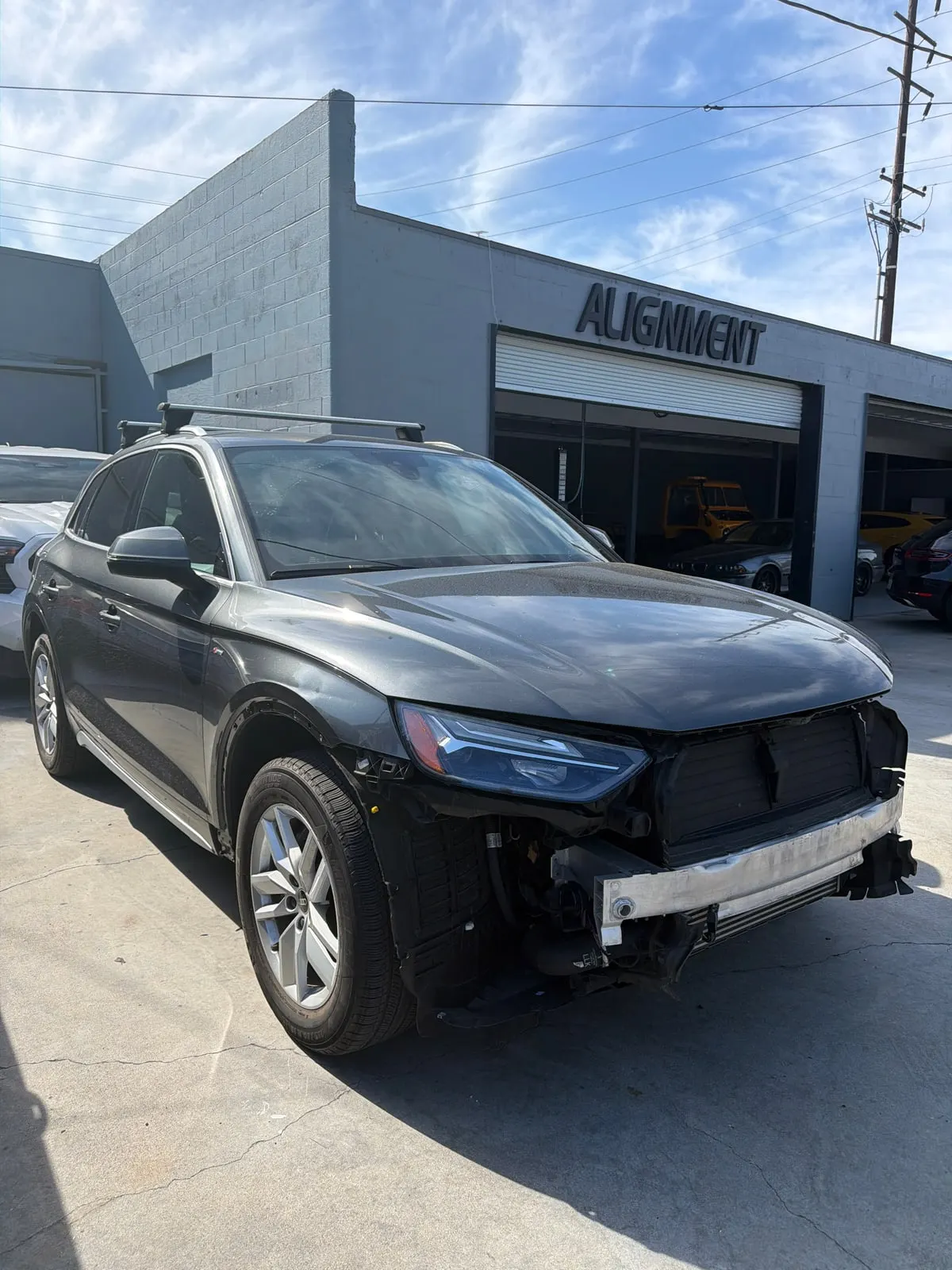
1. Consistent pulling
The vehicle repeatedly moves left or right on comparable road surfaces. Note whether the symptom changes with speed, braking, or road crown.
2. An off-center steering wheel
The steering wheel does not sit in its expected position while the vehicle travels straight.
3. Unusual tire wear
One edge or another uneven pattern appears earlier than expected. A clear photograph of the tread can help start the conversation.
4. A change after an event
Handling changed after a curb strike, pothole, collision, tire replacement, or suspension work.
A noise after a pothole deserves a description, not a guessed part
A new clunk, knock, squeak or rubbing sound is something to report. Its name alone cannot identify which component needs attention. Tell the shop where you hear it, whether it began immediately after an impact, and whether it occurs while turning, braking or traveling over uneven pavement. If the location is uncertain, say so.
Do not repeatedly hit a bump or drive faster to capture the sound. A short recording made while the vehicle is safely parked may help if the noise occurs then; an owner should not create a driving test for a video. Add any change in steering feel, visible wheel position or tire condition to the same service request.
Tesla example: alignment and wheel balance answer different questions
Tesla’s Model 3 owner guidance points to wheel alignment for pulling or uneven tire wear. It separately identifies steering-wheel vibration as a reason to consider wheel balancing. That distinction matters: requesting “an alignment” should not hide a new vibration from the person assessing the vehicle.
Tesla’s alignment-check procedure for 2017–2023 Model 3 vehicles starts from the assumption that the suspension is functioning correctly. It also requires the vehicle profile used by the alignment equipment to match the applicable specifications. The technician must use the correct procedure for the vehicle in front of them; a Model 3 example is not a specification for Model Y, Model S, Model X or Cybertruck.
Inspection can identify a repair that must come first
Alignment measures wheel geometry and, when appropriate, corrects its adjustment. It does not repair a damaged component. After a wheel or suspension impact, ask what the inspection found and whether any condition prevents a valid alignment result. If repair is needed first, ask how the vehicle will be checked afterward.
Calibri’s documented BMW E36 M3 case shows why that sequence matters. The rear alignment could not be completed because the approved report identified damage at an axle component. The published case records the need to repair that condition and then remeasure; it does not claim the alignment was finished. It is a real example of the shop’s diagnostic process, not evidence of a Tesla suspension repair.
2025 Camry example: repair before the alignment
A September 21 shop update records a 2025 Toyota Camry that arrived for alignment. During the pre-alignment assessment, the team found a damaged control arm that prevented the alignment from proceeding. The customer approved the proposed repair, and a new control arm was ordered.
Replacement was in progress when the update was recorded, with alignment planned afterward. There were no final readings or completed alignment results in that report. This is another example of why inspection comes first: an alignment adjustment cannot substitute for repairing the condition that blocks the work.
Tacoma example: tire wear started the inspection, not the diagnosis
A documented Toyota Tacoma arrived with abnormal rear-tire wear. Uneven wear can justify an alignment check, but it does not prove that adjustment alone will correct the cause. Calibri inspected the vehicle before treating the alignment rack as the complete answer.
The approved shop record placed recommendations, repairs, and new tires ahead of the final alignment. That sequence was still in progress when the report was written, so this example does not claim a completed alignment or a final outcome. It shows why tire condition and the related mechanical condition should be addressed before the final geometry is measured.
Lancer Evolution example: a suspension finding paused the alignment
A Mitsubishi Lancer Evolution reached the rear-alignment stage, but the attempt exposed suspension problems that prevented a responsible final result. Component replacement was recommended before another alignment attempt.
That repair and the final alignment were still pending in the approved record. The useful lesson is the sequence: inspect, repair the condition that blocks a valid measurement, then return to the rack. Industry inspection guidance similarly emphasizes checking related suspension joints and condition instead of assuming adjustment can compensate for looseness or damage.
Know when to stop and arrange assistance
For sudden vibration, a ride disturbance or suspected tire damage, Tesla advises Model 3 owners to reduce speed immediately, avoid abrupt braking or steering, stop when safe and arrange transport. Its manual warns against driving on a damaged tire. Follow the instructions for your actual vehicle, and do not continue a journey with an unsafe condition to keep an appointment.
If an impact also caused body damage or dashboard warnings, include that context when you contact the shop. Tesla collision intake and the towing guide can help organize the next conversation.
Send the symptom and the event behind it
For an alignment inquiry or suspension inspection request, include the details below. The team can then confirm whether the starting point is alignment measurement, a suspension inspection or a broader collision assessment.
Calibri Motorsport serves the South Bay from one Hawthorne shop. Owners traveling from Manhattan Beach, Hermosa Beach or Redondo Beach should confirm the appointment and safe transport before setting out.
- Vehicle model, model year and mileage.
- When the concern started and whether it followed a pothole, curb strike, collision, tire change or suspension work.
- Which wheel or corner was involved, if known.
- Whether the complaint is pulling, steering-wheel position, noise, vibration, tire wear or a combination.
- The conditions in which you already noticed it, without making another test drive.
- Existing photographs of visible tire wear or damage, taken only from a safe position.
Official sources and further reading
- Tesla — Model 3 tire care and maintenance ↗
- Tesla — Four-wheel alignment check (2017–2023 Model 3) ↗
- MOOG — Inspecting ball joints for looseness ↗
- Monroe — Alignment after shock or strut replacement ↗
Primary official sources were reviewed September 21, 2026. General information—not individualized legal, insurance-coverage, or safety advice.