Collision-related paint damage
Show the damaged panel and wider angles so body condition and surrounding areas remain visible.

Car paint shop · Hawthorne & Los Angeles
Send photographs of the affected panel and surrounding body. We start with the visible area, then confirm preparation, color and finish considerations, and the vehicle-specific scope after inspection.
Mon–Fri · 8:00 AM–6:00 PM · 3940 W El Segundo Blvd, Hawthorne
A more useful intake
A useful plan considers the substrate and panel condition, dents or collision damage, prior refinishing, adjacent panels, trim, and the finish that needs to be restored. One surface scratch and one damaged panel may need very different paths.
Show the damaged panel and wider angles so body condition and surrounding areas remain visible.
Close photos show the mark; a wider photo shows its size and location on the vehicle.
The panel condition and paint break both matter when deciding how the area should be repaired.
Include corners, mounting areas, lamps, sensors, and any visible distortion—not only the paint mark.
Lighting changes how a finish looks. Inspection helps evaluate color, texture, gloss, and adjacent panels.
If a claim is open, share the insurer, claim status, and any estimate already prepared.
Inside the Hawthorne shop
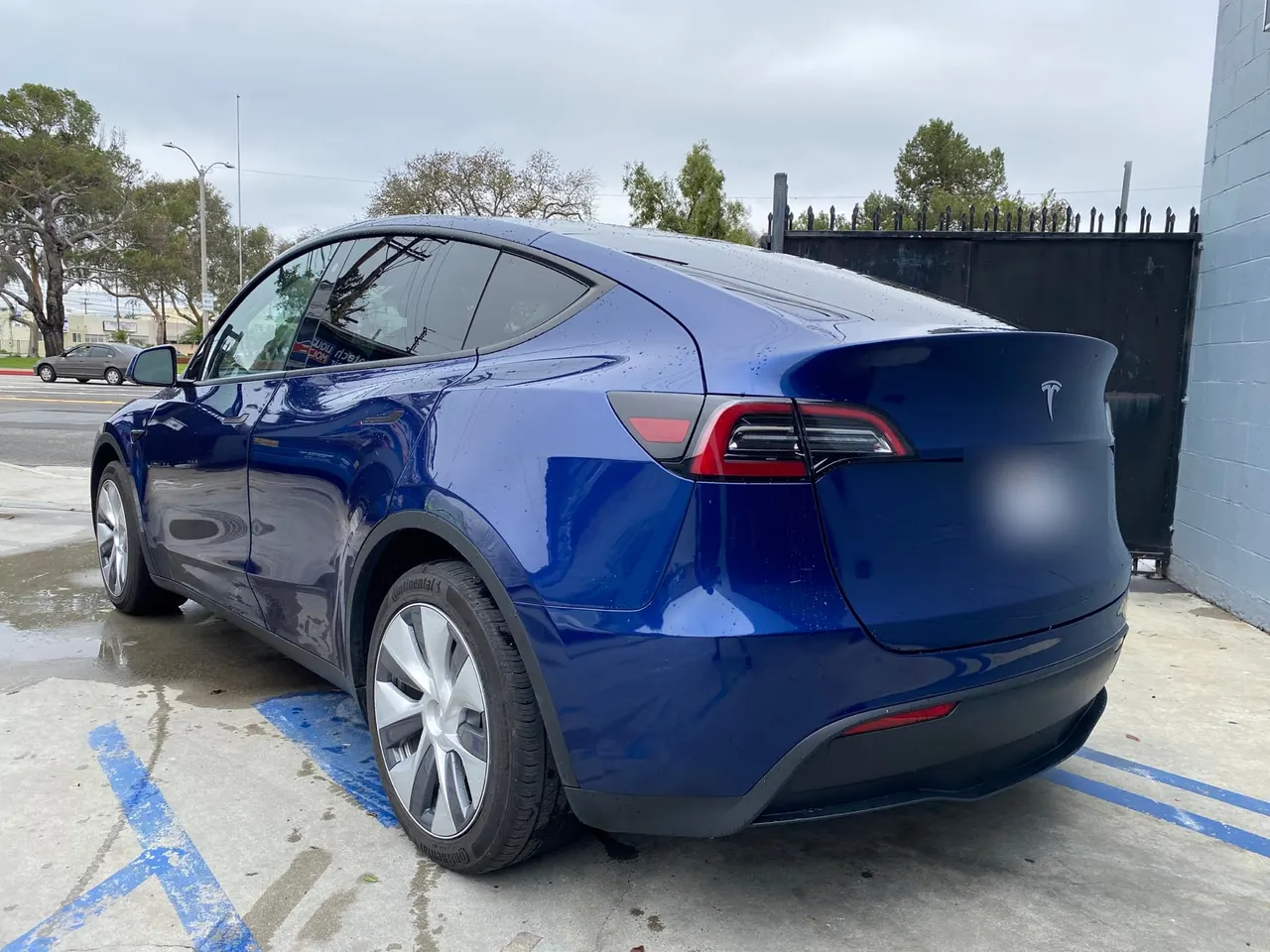
These original shop photographs show a documented paint-preparation stage and a finished exterior. They demonstrate process context without turning one project into a promise about another vehicle.

How the request moves
Close, medium, and full-side views help document the visible finish and panel context.
The final path depends on damage, material, prior work, adjacent finish, and access.
Body work, refinishing area, parts, timing, and insurer decisions are confirmed for the vehicle.
Clear scope
Lighting, contamination, prior repairs, panel material, and damage beneath the visible surface can change the work required. Final scope and price follow inspection and authorization.
Photo-first intake
Upload up to five photographs. Include the full vehicle side, the affected panel, and close details in neutral light when possible.
Useful answers
Color and finish planning is vehicle- and condition-specific. The team evaluates the vehicle, surrounding panels, finish condition, and repair area before confirming the approach.
A photograph can support preliminary intake, but final scope and price depend on inspection, panel condition, prior work, access, and the repair required beneath the finish.
No single answer fits every scratch. Depth, location, panel condition, finish, and the desired result all affect the appropriate path.
When refinishing is part of covered collision damage, it may be included in the vehicle-specific repair plan. Coverage and authorization remain insurer- and claim-specific.
Continue exploring