
Collision estimates
Why Collision Repair Estimates Change in California
An initial estimate records what can be evaluated at that stage. California rules also describe what must happen when a tear down or later inspection reveals work that was not included in the original plan.
Published August 26, 2026 · Updated August 28, 2026 · Calibri Motorsport editorial team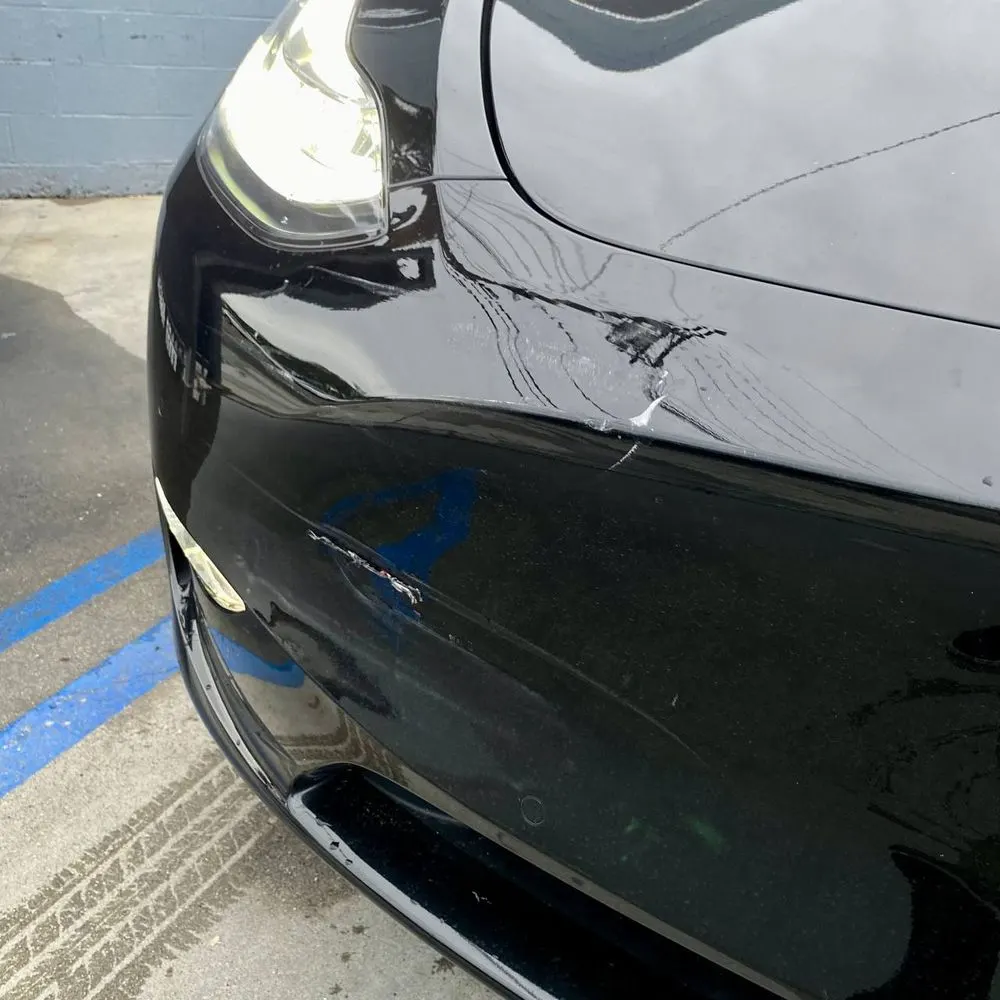
The first estimate is a starting document
The California Bureau of Automotive Repair says a collision estimate must be itemized and describe the specific job, parts, labor, and estimated prices. A shop may prepare its estimate from its own inspection or, when the legal requirements are met, attach and reference a third-party estimate such as one prepared for an insurer.
A tear down has its own authorization
BAR defines a tear down as disassembly used to assess the extent of damage or evaluate a vehicle or component for an estimate. It is repair work and requires an estimate and authorization. After the tear down, the shop must provide an itemized estimate for the needed parts and labor, then obtain authorization to repair or reassemble.
Additional damage can change the repair plan
The California Department of Insurance notes that further damage may be found during the repair process. The shop then contacts the insurer about approval for the additional repair cost, and the insurer may reinspect the vehicle. In insurance work, that additional request is often called a supplement.
Insurer approval and customer authorization are separate
Before additional repairs begin or extra charges accrue, BAR guidance requires a revised work order that lists the added parts and labor and the new total. The customer must receive that information and authorize the change. An insurer’s response does not replace the vehicle owner’s authorization to the shop.
Read the parts descriptions, not just the total
BAR states that a new replacement crash part on a collision estimate must be a new OEM part unless it is specifically identified as a non-OEM aftermarket or used part. The final invoice must document the parts supplied and repairs performed. Ask about any parts description you do not understand before authorizing the work.
A useful review checklist
- Compare the original and revised repair documents line by line.
- Ask what newly visible condition caused each change.
- Confirm the part type and labor operation for every added line.
- Ask what the insurer approved and what amount, if any, remains customer-responsible.
- Keep the emails or texts used to authorize changes with the repair records.
Why photographs remain preliminary
Photographs are useful for visible damage and triage, but they cannot document every condition beneath attached parts. A photo-based estimate should be treated as preliminary until the vehicle and the affected areas can be inspected.
Official sources and further reading
- California Bureau of Automotive Repair — Write It Right ↗
- California Department of Insurance — So You’ve Had an Accident, What’s Next? ↗
- California Bureau of Automotive Repair — A Consumer’s Guide to Auto Repair ↗
- California Bureau of Automotive Repair — Updated Tear Down Disclosure Requirements ↗
Primary official sources were reviewed August 28, 2026. General information—not individualized legal, insurance-coverage, or safety advice.