
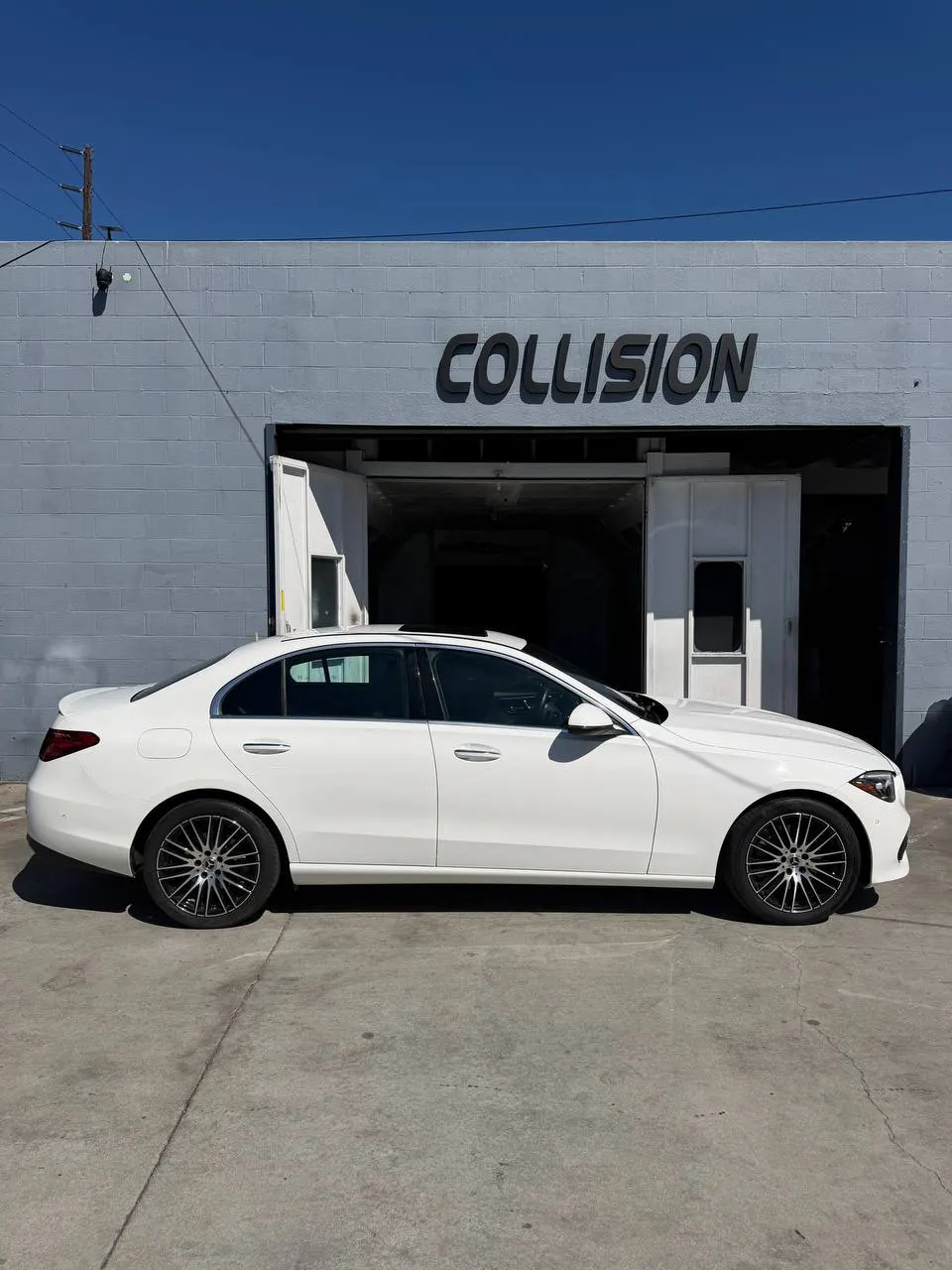
One collision, several repair disciplines
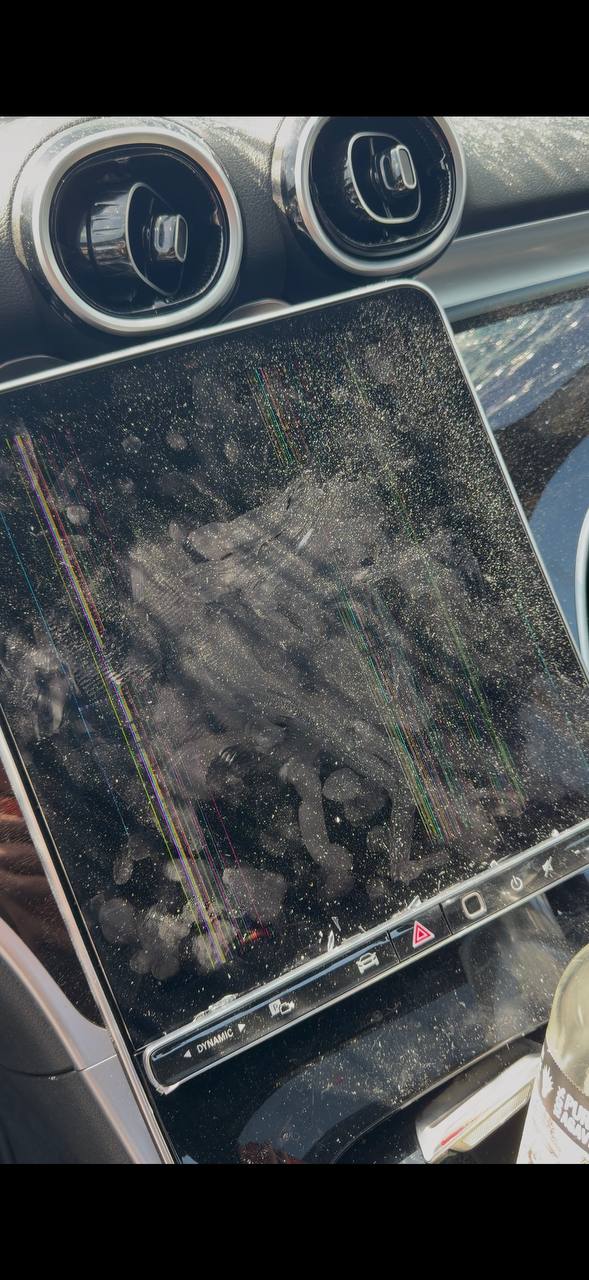
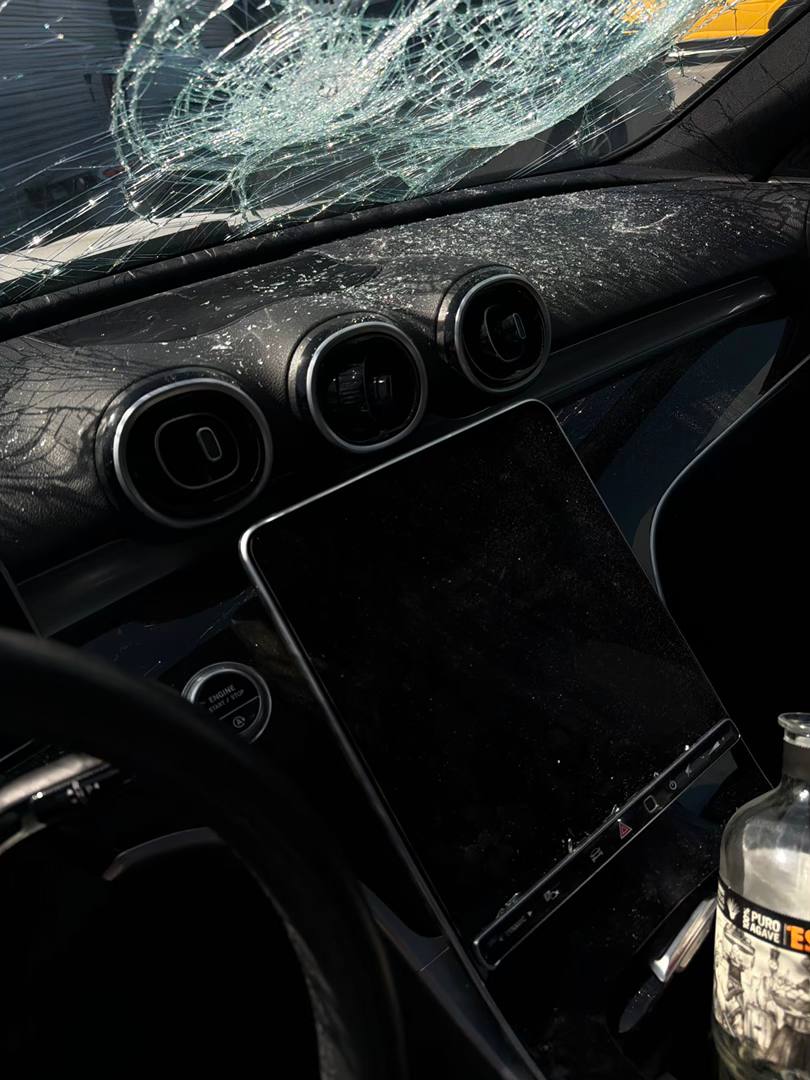
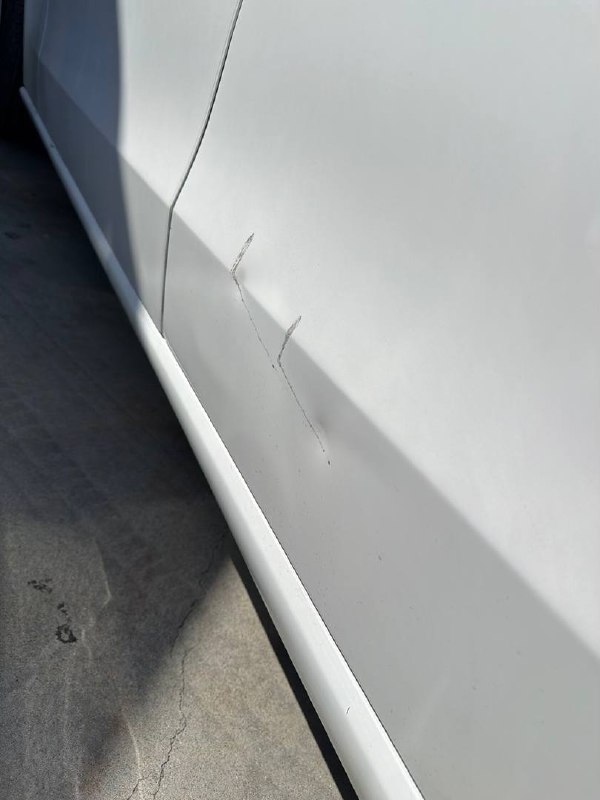
Some collision jobs announce themselves with one obvious damaged corner. This C300 presented a wider puzzle. The supplied record documented exterior scrapes and dents, damage near the roof edge, a heavily fractured windshield and a center display that had been struck hard enough to fail. Each concern belonged to the same repair, but not to the same trade.
That is where an integrated shop earns its value. Calibri could organize body repair, paintwork, glass, interior electronics and post-repair calibration as one sequence. The customer did not have to treat each damaged system as a separate project or wonder who would connect the final steps.
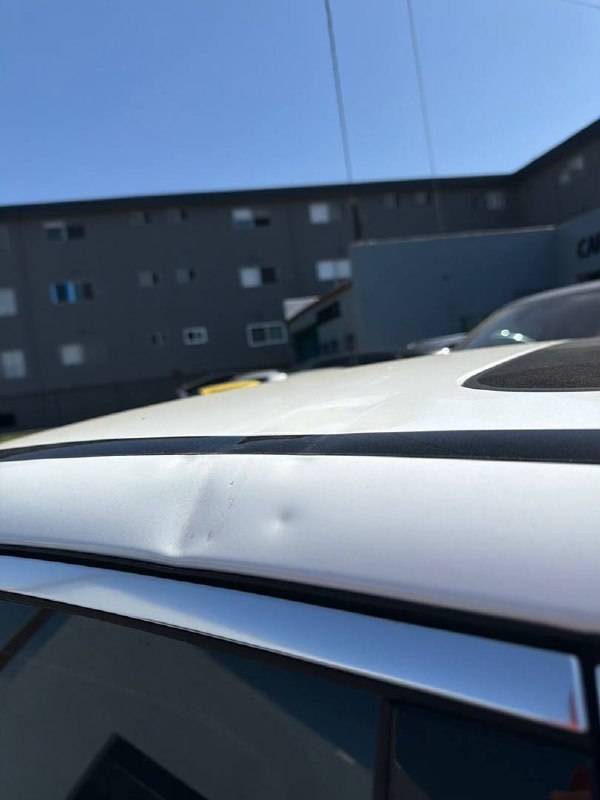
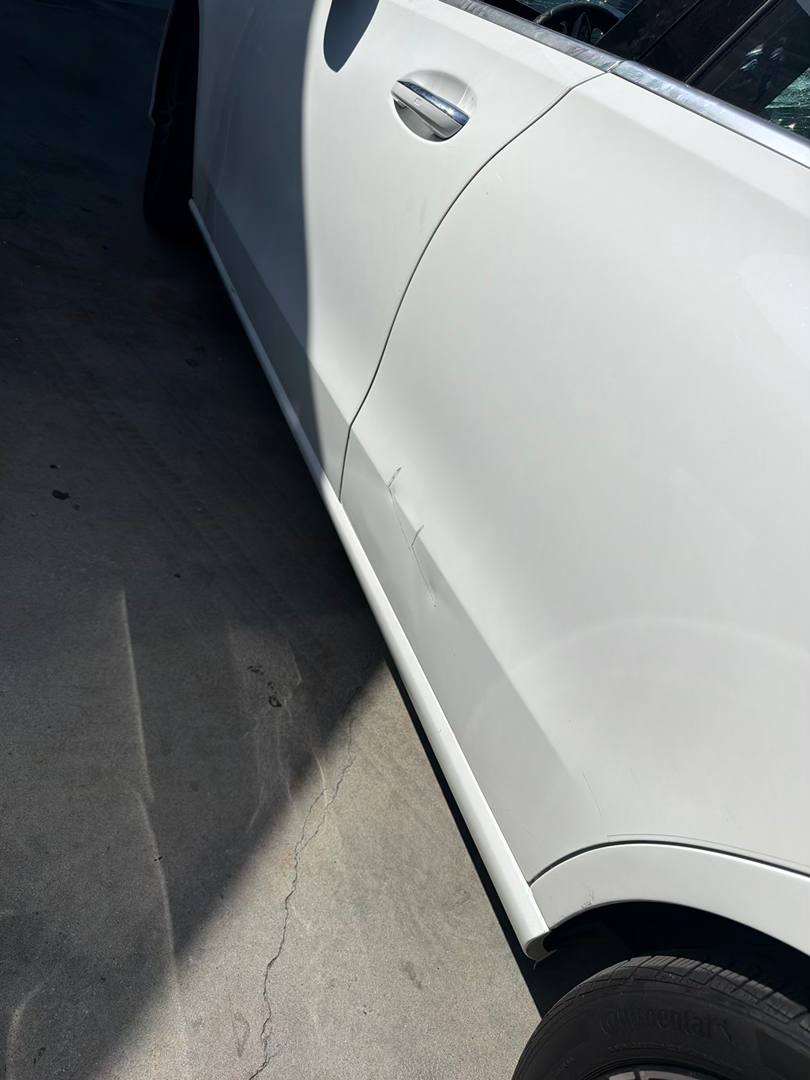
The claim was part of the repair—not a separate problem
The shop report says the complete process took about three weeks, including the time needed to work through the insurance claim and resolve the repair scope. That timeline matters because complex collision repair is not only measured in hours at the bench. Parts, documentation, insurer communication and approvals all affect when the next operation can begin.
Calibri kept those moving pieces tied to the condition of the actual vehicle. A clear damage record supported the conversation, while one shop remained responsible for carrying the C300 from assessment toward a finished result. Coverage and claim decisions always depend on the individual policy and insurer, but organized evidence gives every party a better starting point.
Repair the structure, restore the surfaces, replace what cannot be saved
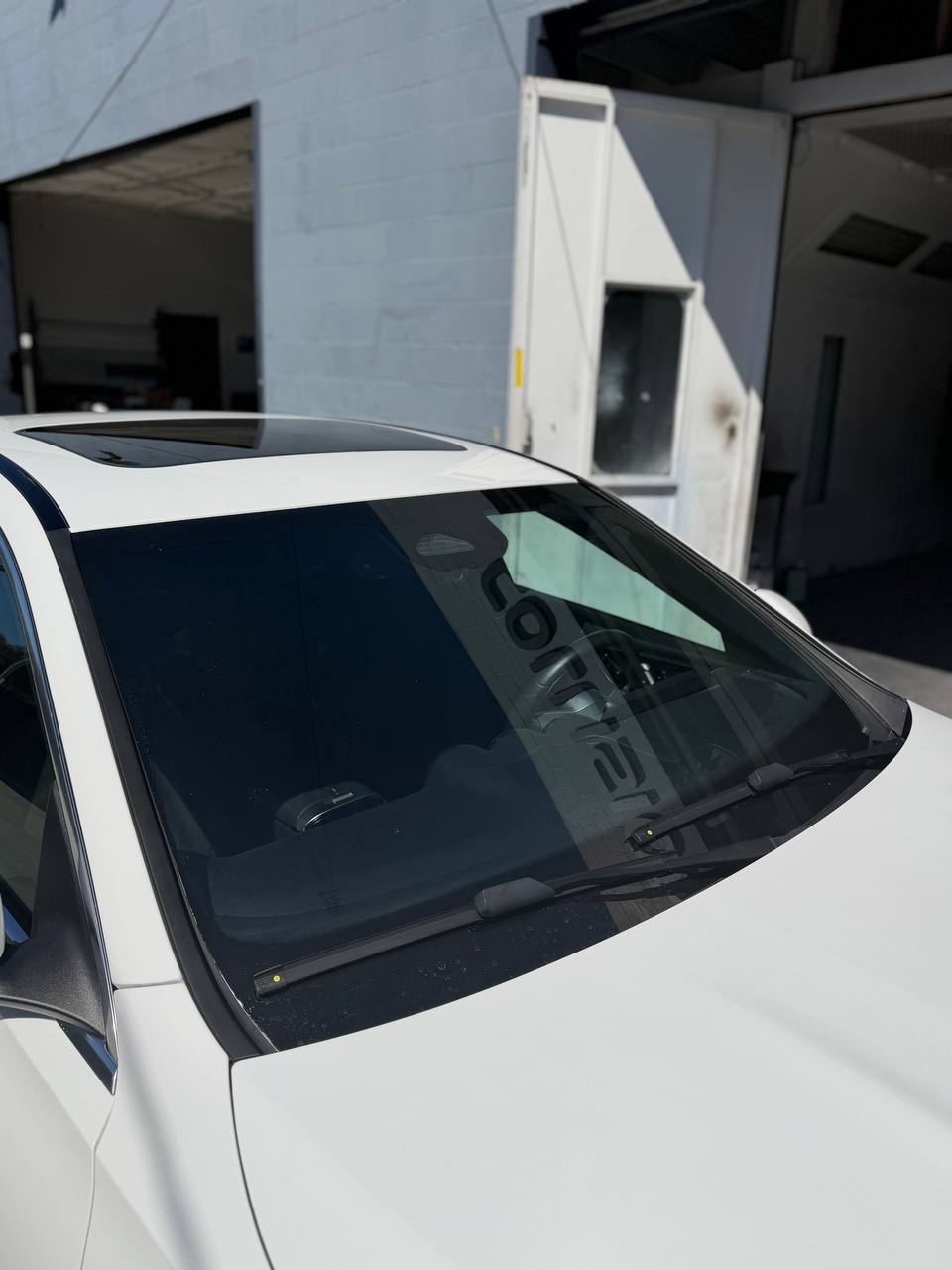
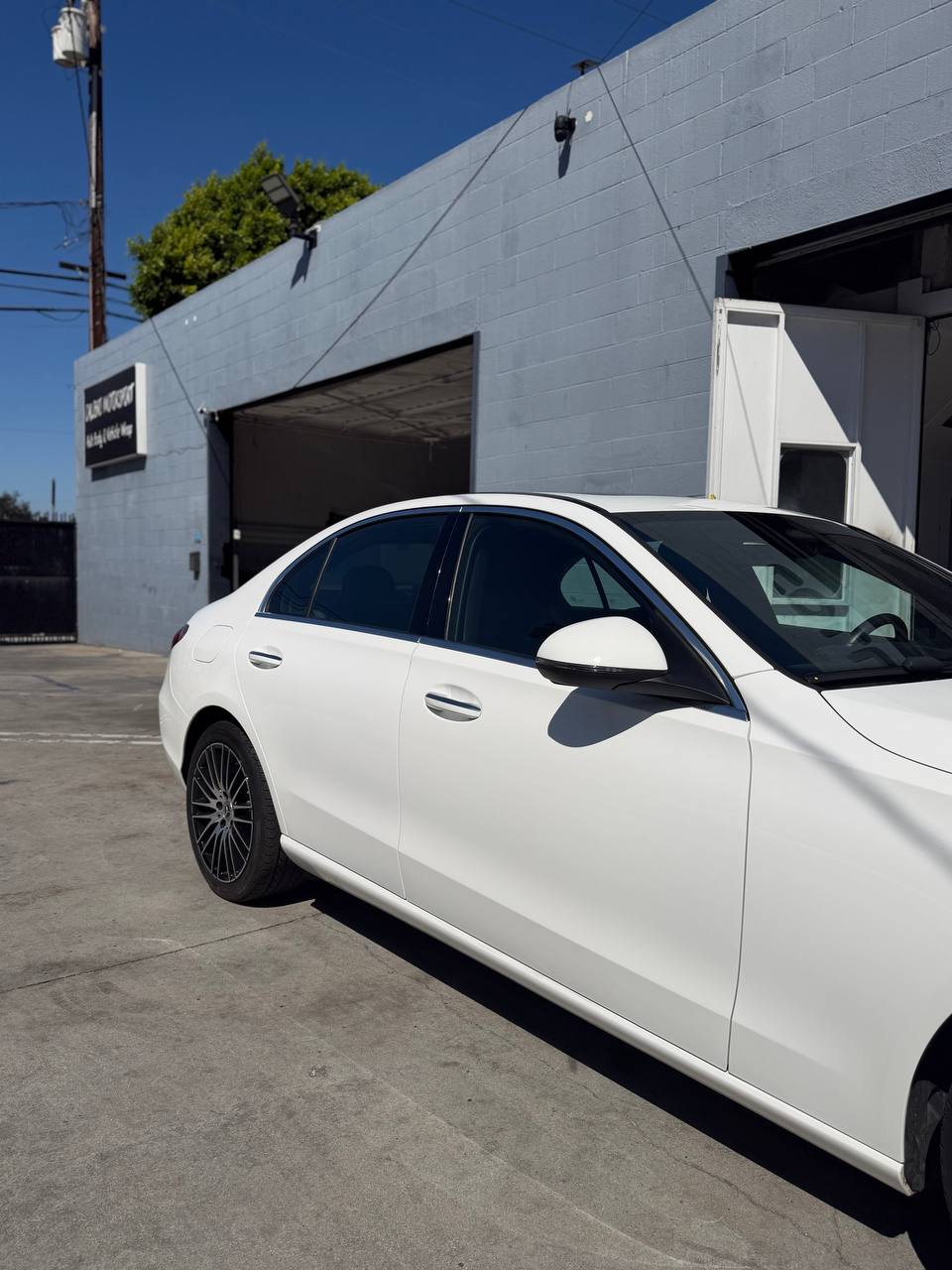
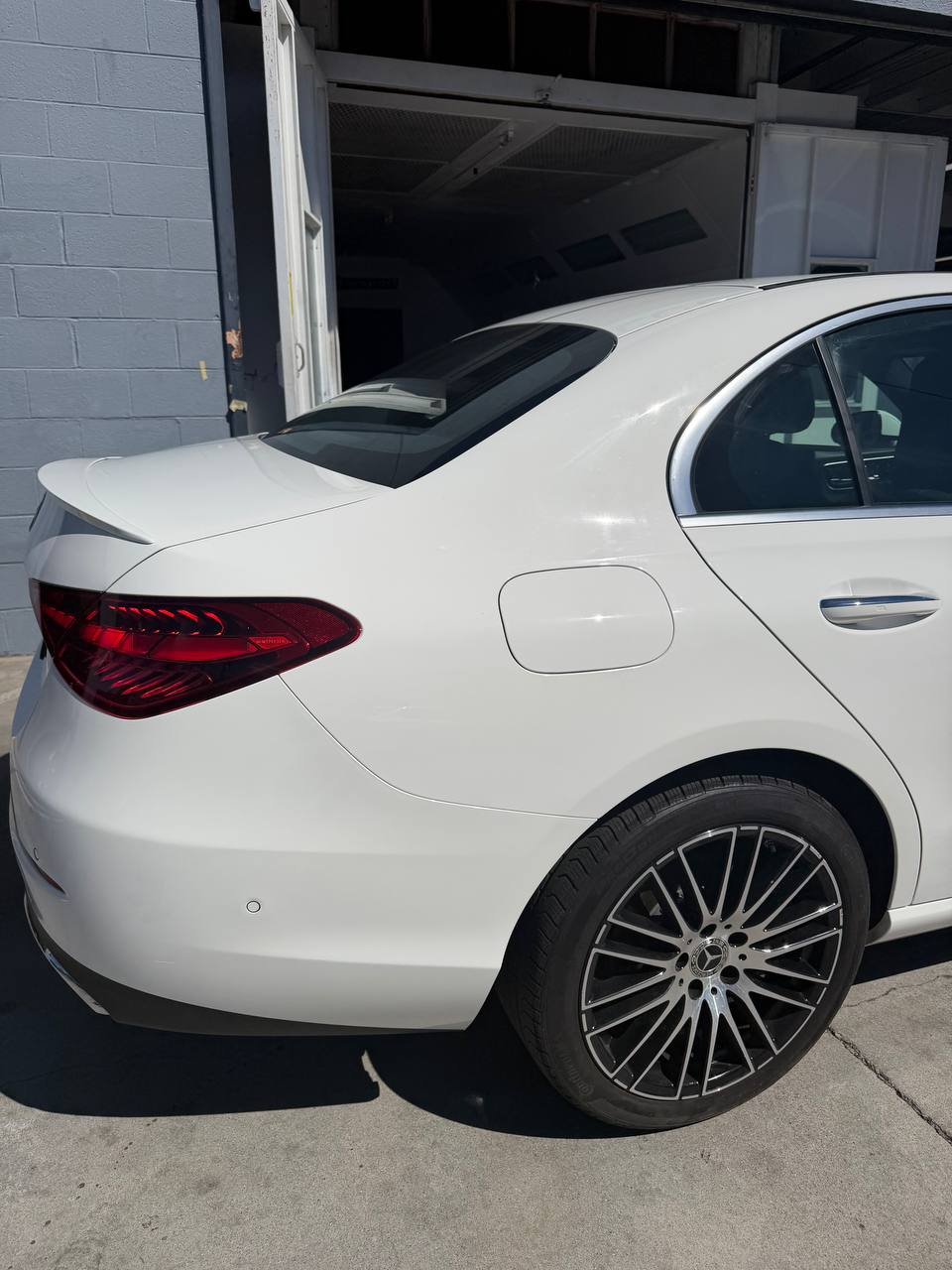
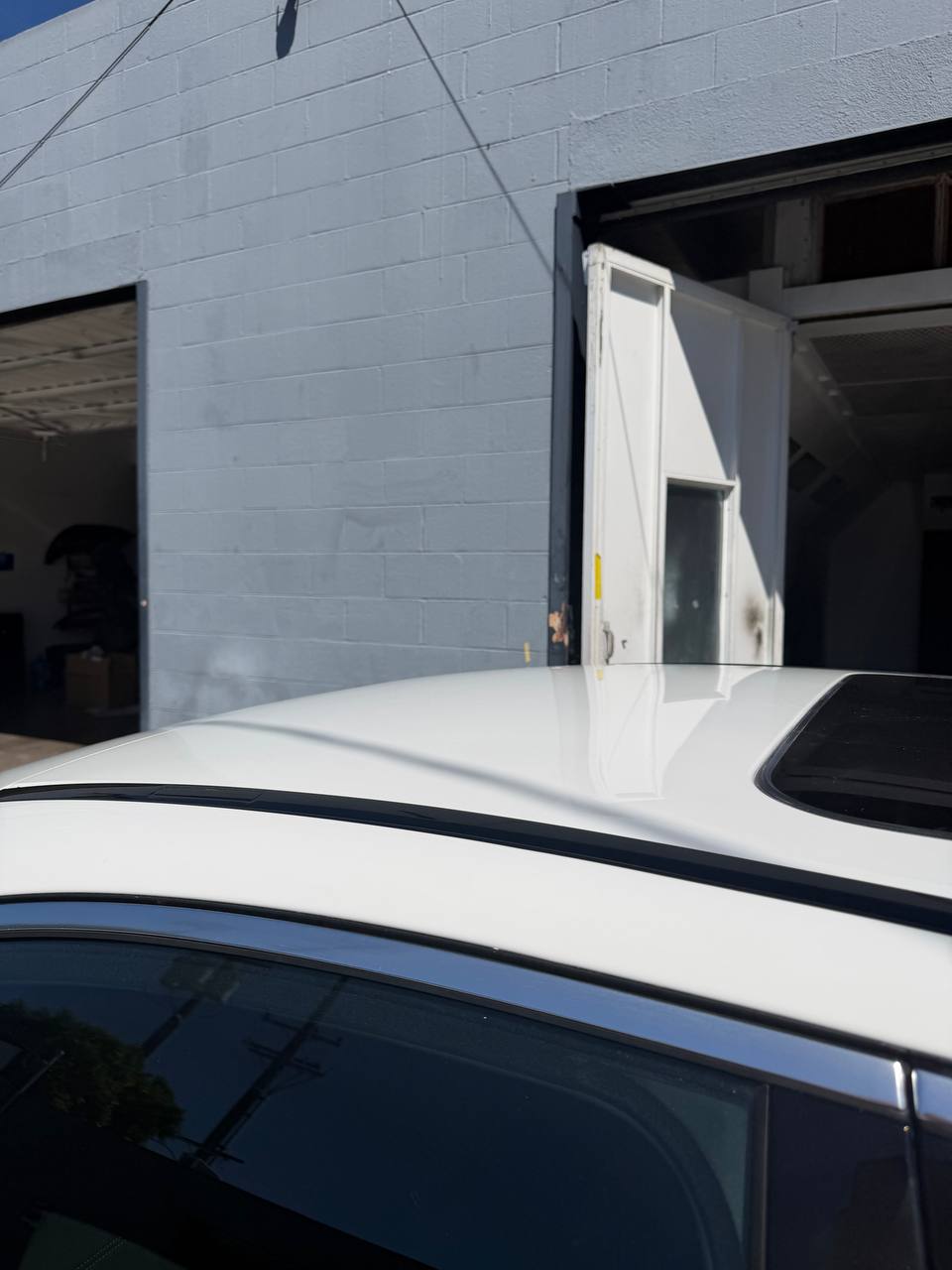
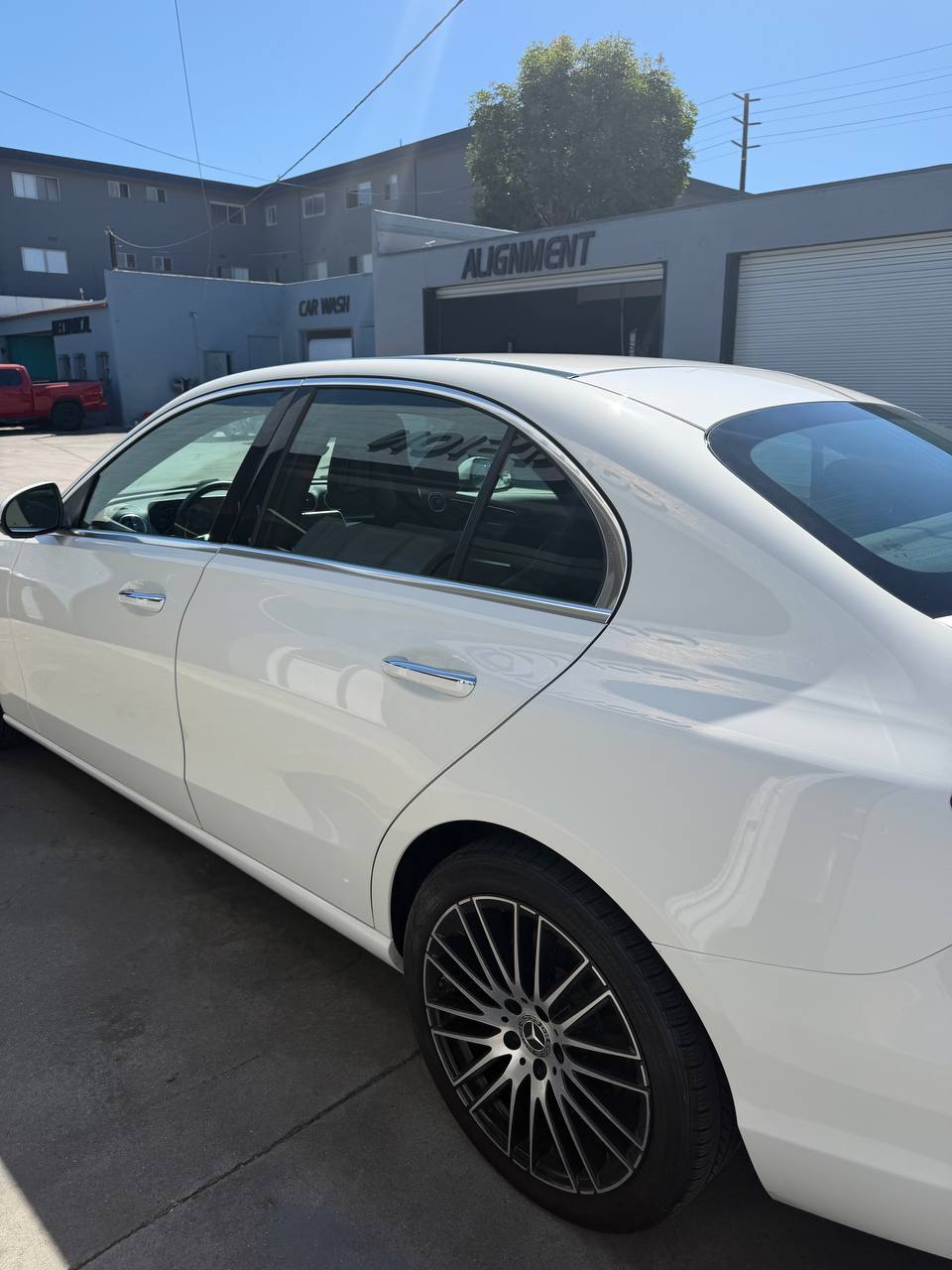
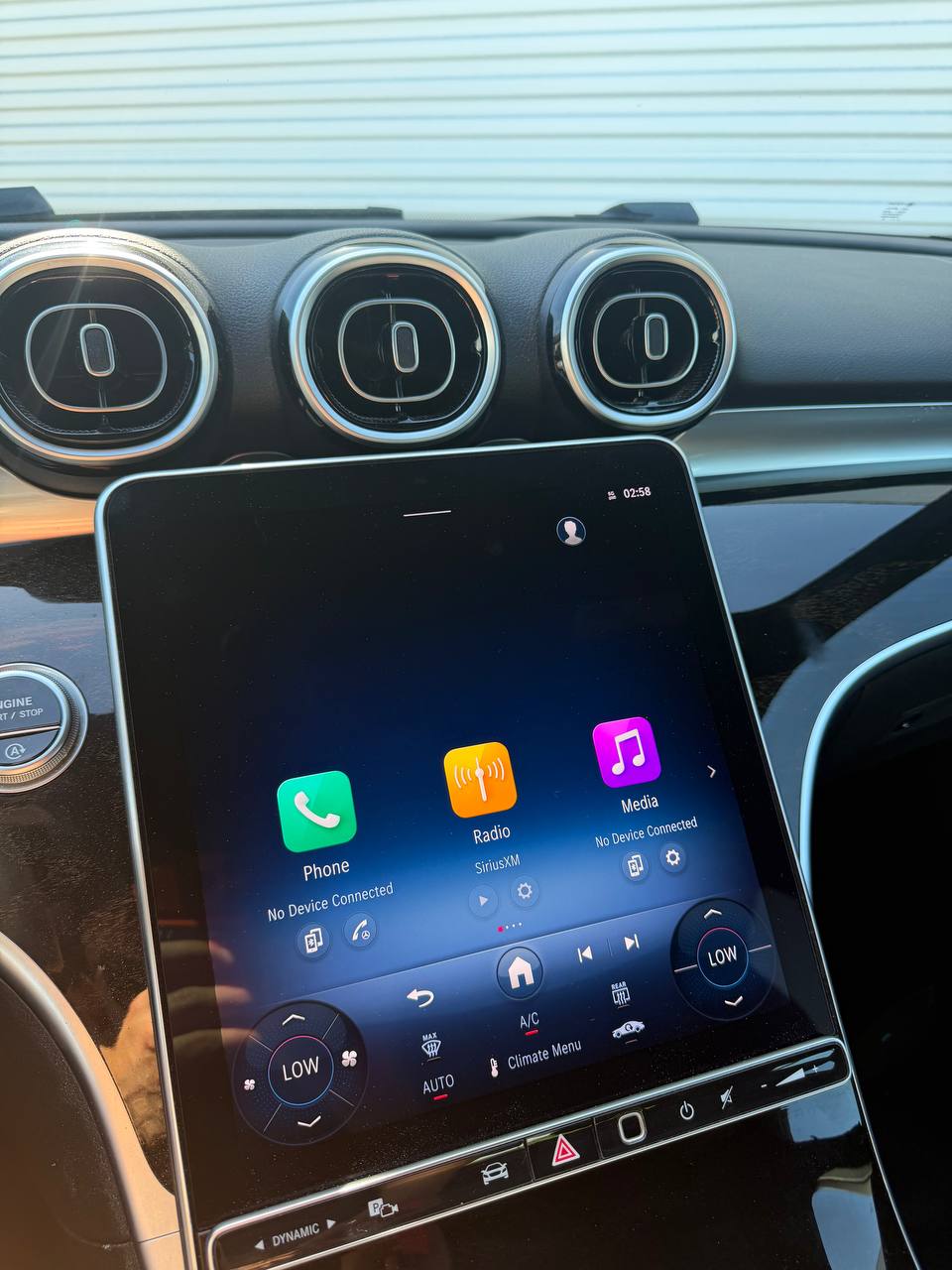
The approved report records replacement of the windshield, damaged infotainment screen, a pillar component and the side mirror. The team also repaired affected body and roof areas, then painted and refinished the surfaces. The completed photographs show clean panel transitions and an even white finish in the same areas that previously carried impact marks.
Inside, the replacement display returns the cockpit to a clear, usable interface. Outside, the new windshield and repaired roofline do more than improve appearance: they re-establish the vehicle as a coherent whole instead of a collection of completed individual tasks.
Why ADAS calibration belongs at the end of the story
Modern Mercedes-Benz driver-assistance systems depend on cameras and sensors interpreting the road from known positions. When collision work involves glass and adjacent body areas, calibration is a necessary final verification step whenever the repair plan calls for it—not an optional flourish after the paint dries.
Calibri performed ADAS calibration after the physical repairs were complete. That order reflects the shop’s broader standard: finish the visible work, then verify the technology affected by the repair. It is how a complicated claim becomes one accountable result.