
The repair begins before the first tool is lifted
The hours after a collision can feel like a chain of separate problems: move the vehicle, decide where it should go, document the damage, communicate with the insurer and keep daily life moving. A good collision center turns those loose ends into one sequence. That is exactly what the approved reports behind these two vehicles show.
Calibri Motorsport helped coordinate tow-in logistics and provided temporary transportation as documented in the shop reports. Once the vehicles were on site, the team shifted from customer support to evidence: clear arrival photography, a vehicle-specific estimate and disassembly where the visible exterior could not tell the whole story.
Audi Q5: document the front, then build the estimate
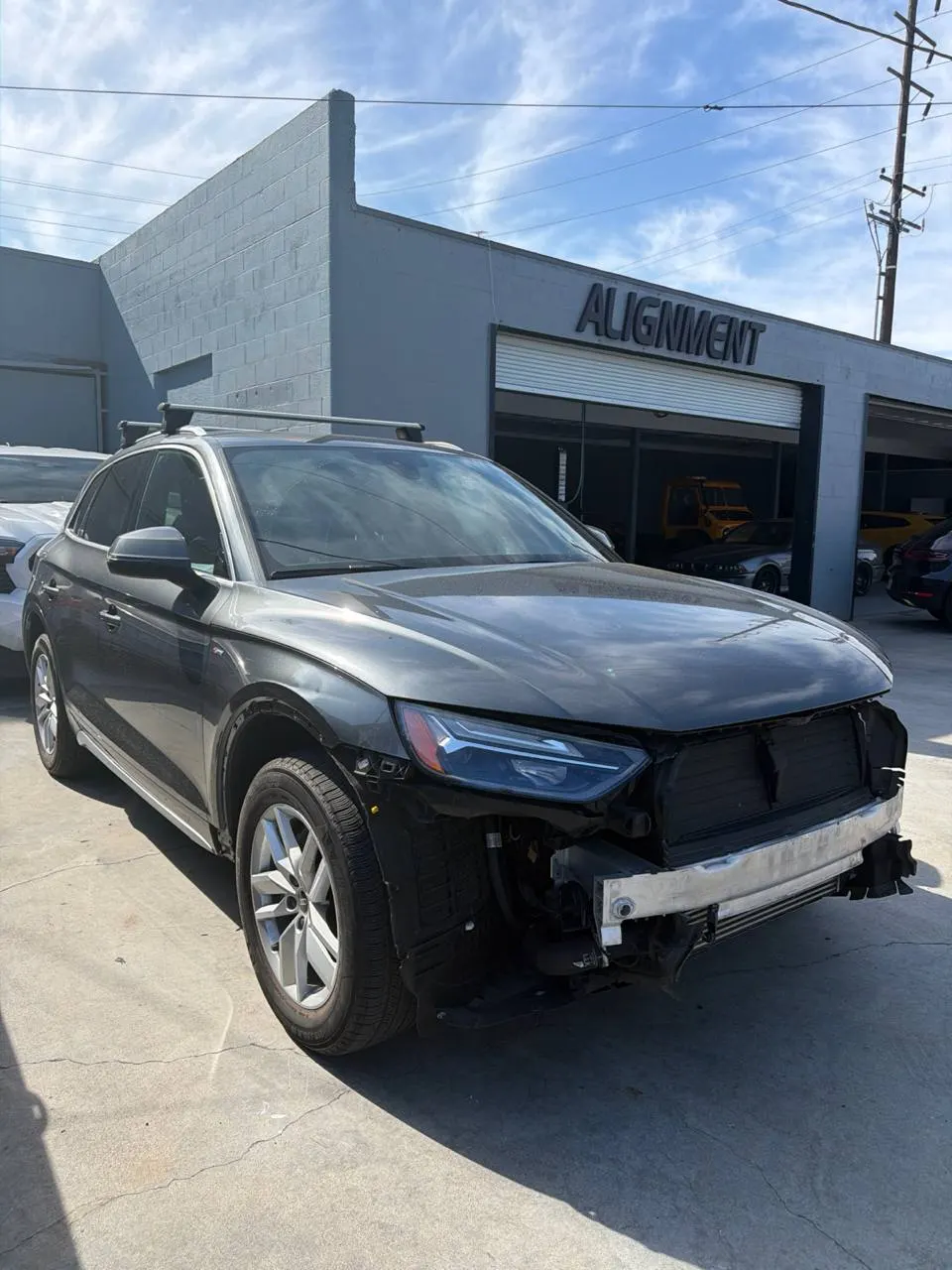
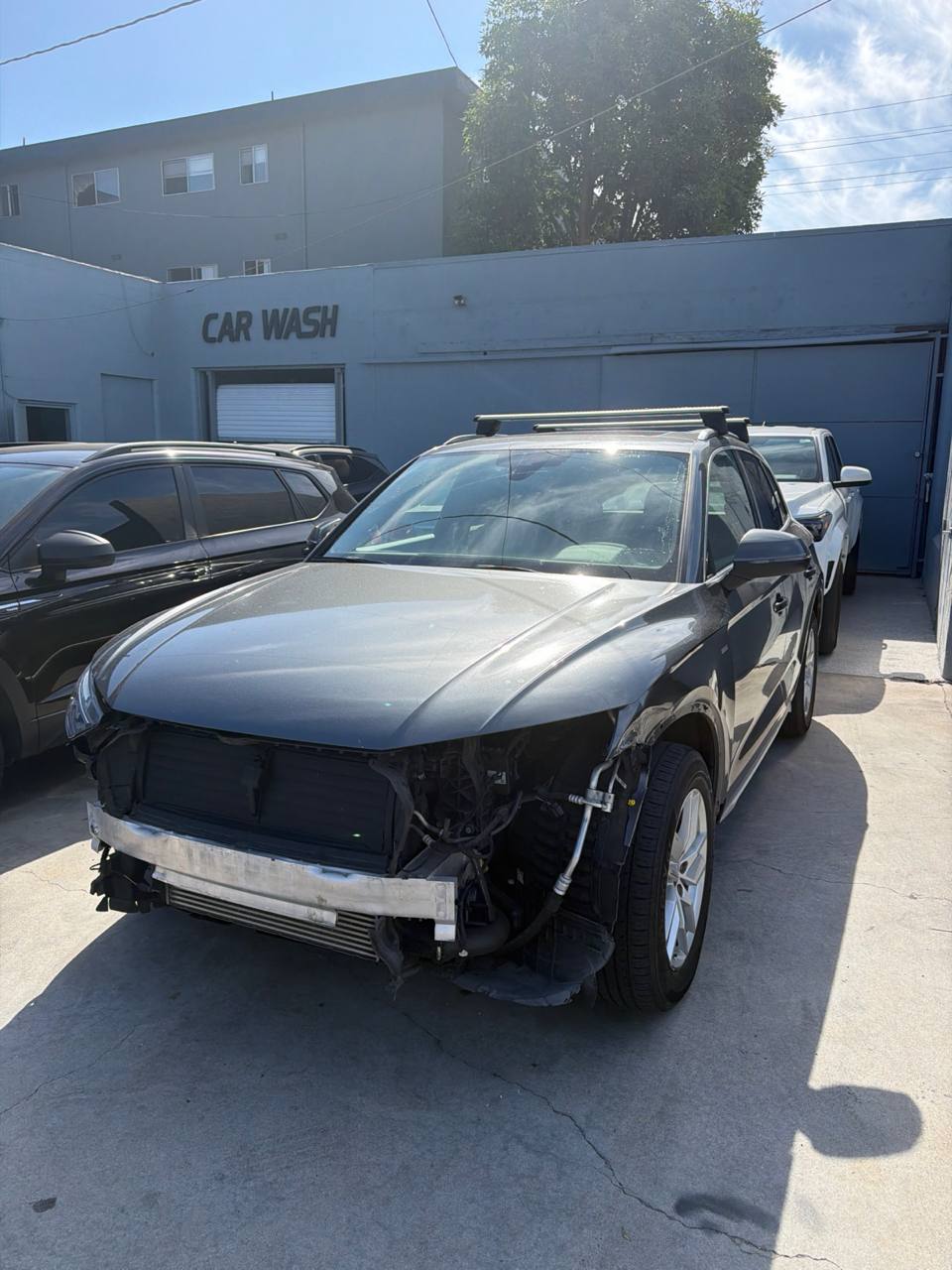
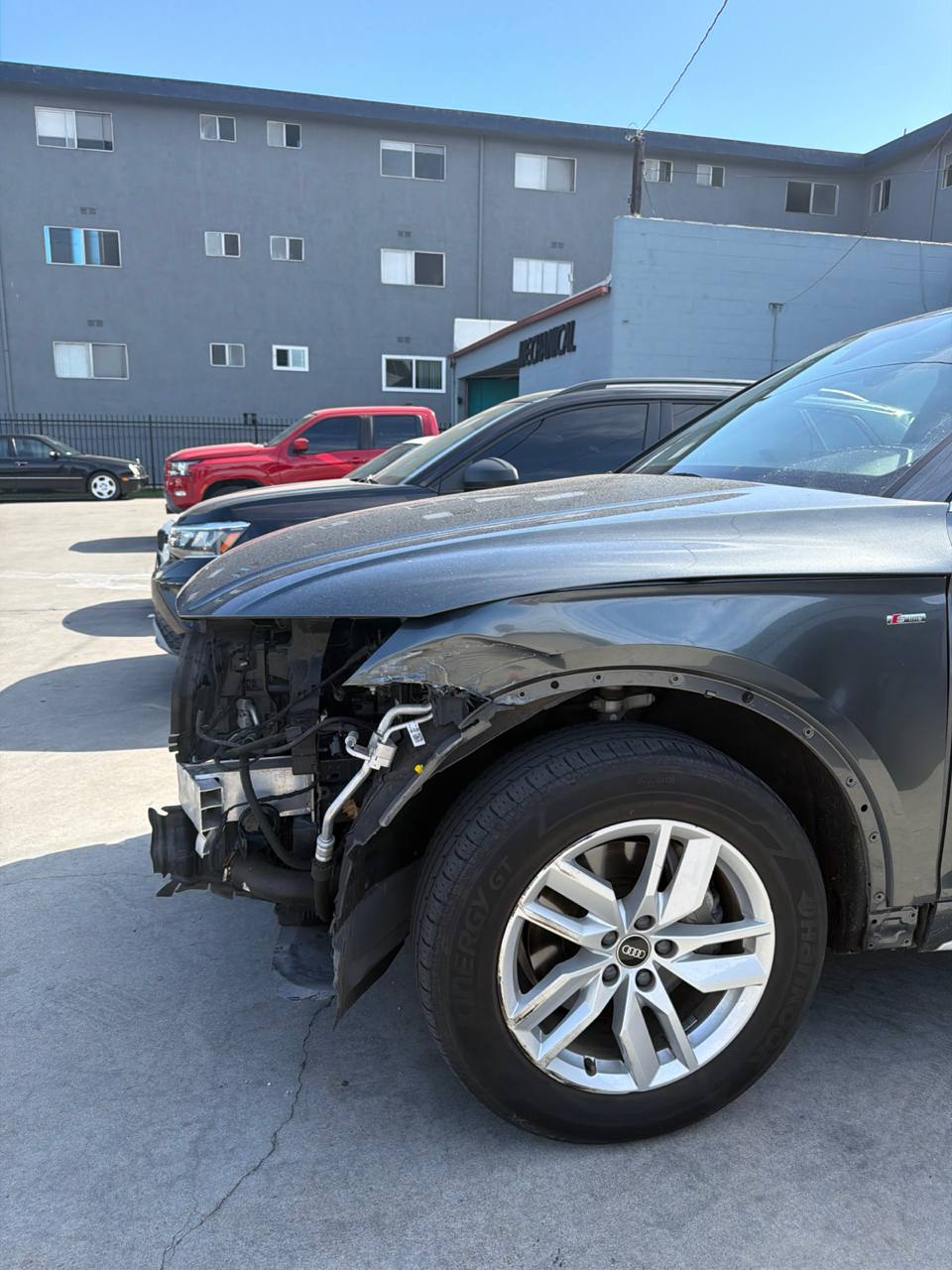
The Audi Q5 presented a direct visual story. The front bumper assembly was already absent, exposing the reinforcement, cooling-area components and the left-front corner. Wide views established the overall condition; a closer side angle recorded the opened wheel-arch area and disconnected front-end pieces.
Those photographs do not replace a repair plan, but they make the next step faster and clearer. The report places the Audi in the estimate stage, where visible damage, parts needs and any findings from later disassembly can be organized into a repair scope. Calibri’s job at intake is to move quickly without pretending the first photograph reveals every affected component.
Volkswagen Taos: teardown turns an impact into evidence
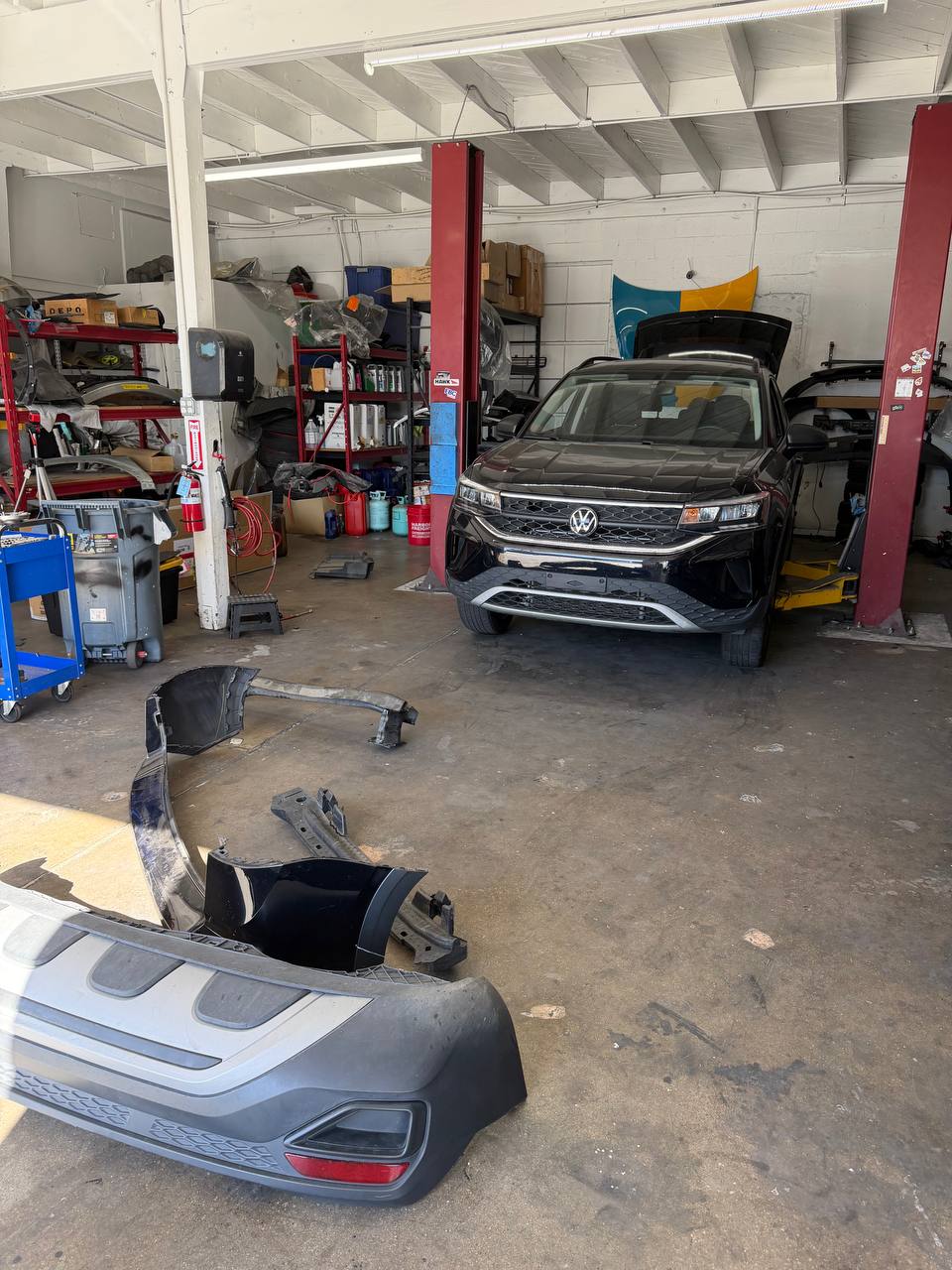
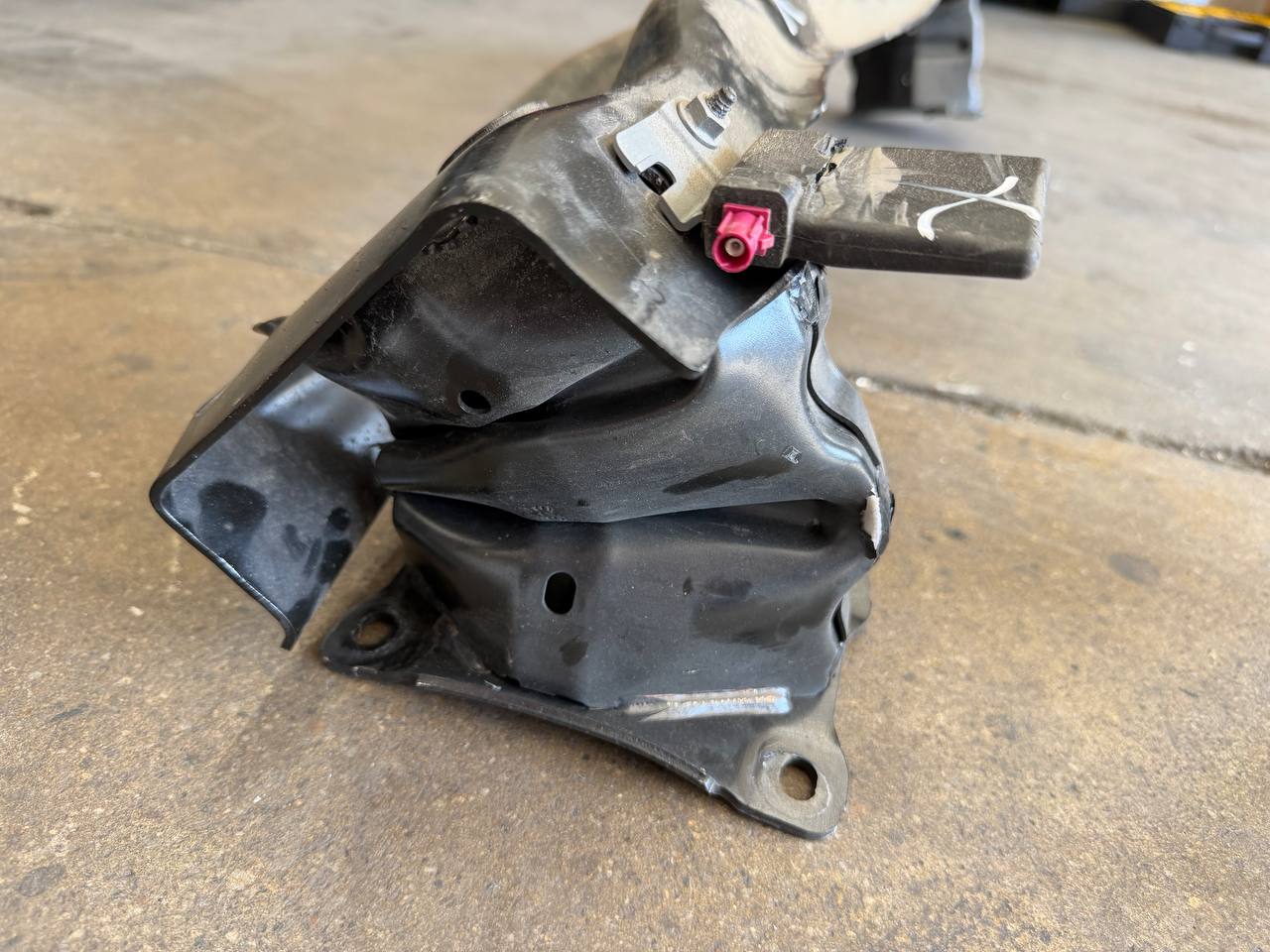
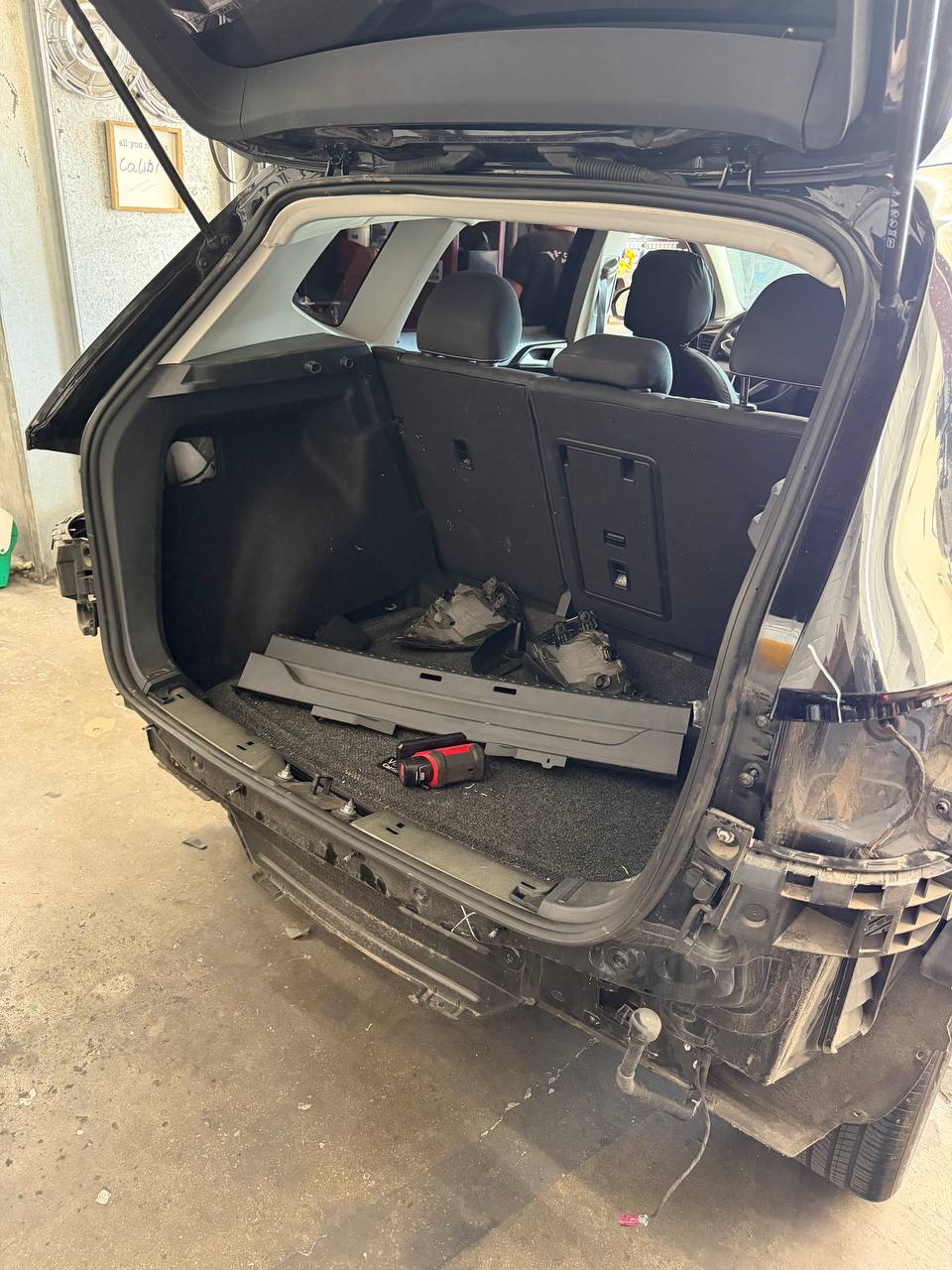
The Volkswagen Taos arrived after a rear-end collision. With exterior pieces removed, the shop view changed from a dented tailgate area to a working map of the impact: bumper components separated on the floor, the rear body opened for inspection and a crushed mounting component isolated for a close-up photograph.
That transition matters. Supplements and repair decisions depend on what the vehicle reveals after access is created, not only on what was visible at the curb. The supplied record captures an active assessment rather than a finished outcome, so Calibri can communicate the documented condition while the final repair-versus-total-loss decision remains with the applicable insurer and vehicle owner.
Towing, transportation and insurer communication are part of the work
Neither report is only about damaged metal and plastic. Both also document the practical side of collision service: arranging arrival, helping the customer stay mobile and beginning communication around the claim. Those steps do not determine coverage or liability, but they can prevent the owner from being left to coordinate every handoff alone.
Calibri Motorsport’s advantage is the ability to keep the physical repair record and the service process connected. The same team that sees the exposed corner can explain why an estimate may change after teardown, organize the supplement documentation and give the owner a concrete next step instead of a collection of unanswered calls.
Fast does not mean premature
Speed in collision repair is not the same as rushing to a conclusion. It means getting the vehicle to the right place, capturing the right photographs, opening the right areas and identifying the next decision without unnecessary delay.
The Audi and Volkswagen were at different stages, but both benefited from that discipline. Calibri moved each case forward based on what the vehicle actually showed—and kept the customer experience in view while the technical record was being built.