




Such a great experience from start to finish! The staff was very kind, professional and honest which is hard to find these days. Their services are efficient and I will definitely be coming back. Highly recommend :)
Trusted by Los Angeles Drivers
Great attention to detail repairing the damage to my car! Fast turnaround and great customer service!
Excellent service and quality work. My vehicle was repaired perfectly and looked like new when I picked it up. The team kept me updated throughout the process and completed everything on time. Very satisfied with the experience!
I would like to express my sincere gratitude to the team at Calibri Motors for their professional approach and excellent service! The work was completed quickly, efficiently. I especially appreciated the attentive customer care — everything was explained in detail, the issues were clearly shown, and the best solution was offered at a reasonable price. My car is running perfectly after the repair. From now on, I’ll only come to you and will definitely recommend you to my friends and family!
I was in a car accident. I went to this body shop and guys fixed everything. The car looks like new now. Highly recommended! I’ll definitely be coming back for service
Great experience! Extremely well organized system, got things done in a timely manner.
Fast and efficient service, oil change and vehicle maintenance for my Porsche. Will definitely be back
Great and quick service. Had an accident and received immediate help with my car and a replacement car as well. Would recommend to anyone📣
Let’s get in touch
Fill out the form and our specialists will help you with your problem.

Calibri Motorsport Location
The Calibri Motorsport shop offers a complete, comprehensive range of automotive service to ensure that your automobile is always in perfect technical condition. Our modern shop is fully equipped and technologically ready to perform any repair – from quick and routine oil and filter changes necessary for scheduled maintenance to the most complex computer diagnostics and major car renovation. We accept vehicles of all makes and models.

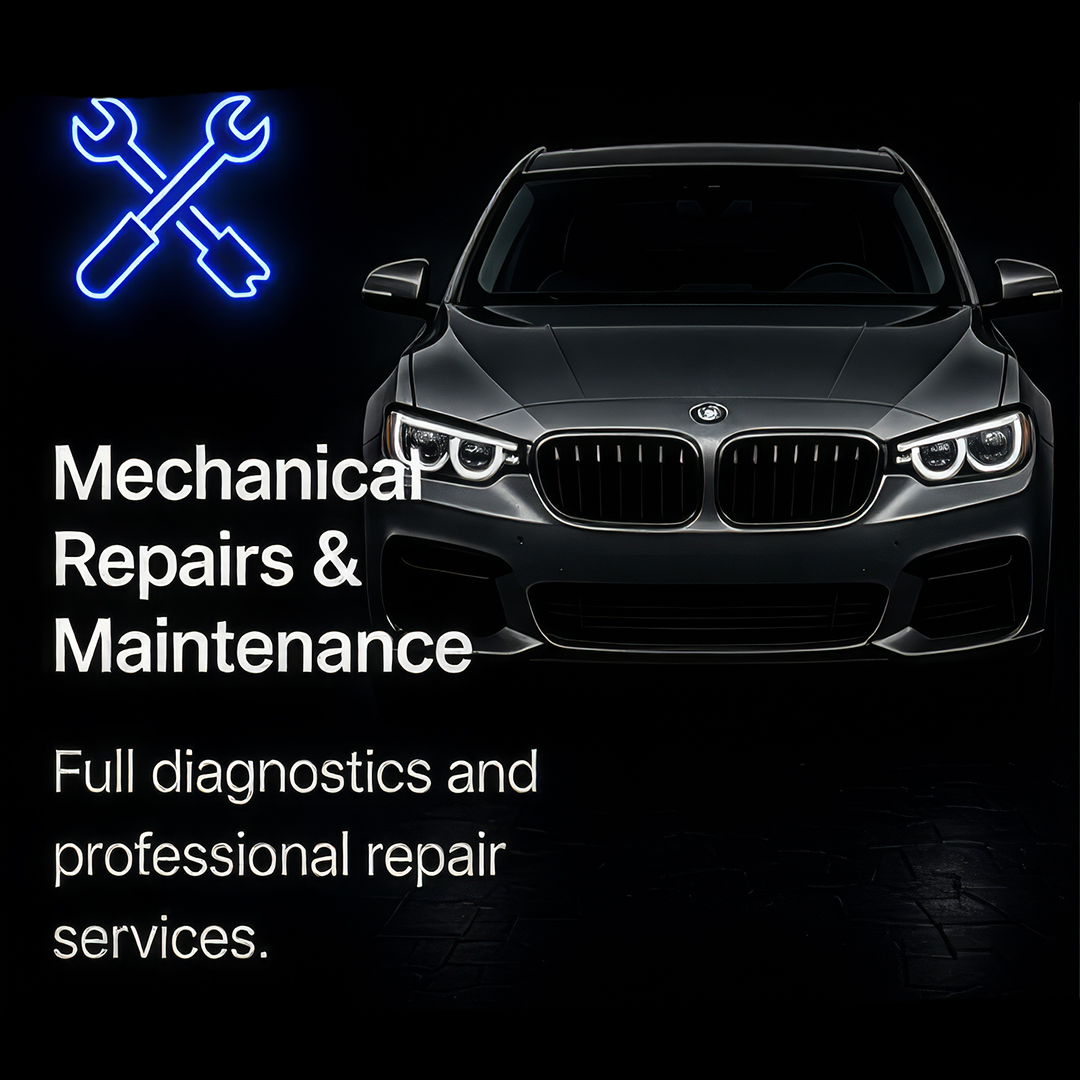






Routine car maintenance: what this procedure is and why it is necessary
Annual vehicle inspection plays an important role in ensuring its reliable and stable operation. Routine car maintenance is primarily about safety, as the operation of technically faulty vehicles is prohibited. Constant diagnostics help you maintain the stable condition of all major systems. Preventive service includes: periodic checks, replacement of fluids, filters, and other elements that gradually wear out during travel.
Scheduled maintenance makes it possible to identify minor problems at an early stage. Many malfunctions are detected before they turn into serious breakdowns that require costly repairs. Systematic maintenance car help keep the engine, braking system, and other important components in working order. Even simple checks that are part of routine inspection can significantly reduce the risk of sudden breakdowns on the road.
That is why vehicle inspection is the first thing a responsible auto owner should take care of. An annual technical check of the vehicle not only increases reliability but also helps to extend the service life of the vehicle.
What is included in preventive service
Preventive inspection of a vehicle is aimed at maintaining the proper functioning of all major components and mechanisms. These routine actions help to detect wear and tear of parts in a timely manner, control fluid levels, and prevent a decrease in the efficiency of important car systems. The main procedures include:
- replacing the engine oil;
- installing new filters;
- checking tire pressure;
- brake diagnostics;
- battery condition check;
- coolant renewal.
All this forms the basic routine maintenance package. It is recommended to perform diagnostics every 10-15 thousand km of mileage and at least once a year. The inspection interval depends on the make, model, and year of manufacture of the auto. The older the vehicle, the more often it needs to be inspected.
It is important to understand the difference between scheduled maintenance and troubleshooting. Such inspections are aimed at preventing problems, while repairs are carried out after a malfunction has been identified.
The difference is described in more detail in the table:
Why you shouldn't ignore technical check
Ignoring diagnostic work deadlines can lead to gradual deterioration of key systems, unexpected breakdowns, and unsafe vehicle operation. That's why routine car maintenance is the first thing a vehicle owner should do after 10-15 thousand km of mileage. Checking the condition of the main components allows you to detect wear and tear in advance. This makes it possible to prevent serious malfunctions. Regularity is influenced by the following main reasons:
- Increased service life of the auto. Systematic routine maintenance helps you maintain stable operation of the engine, brakes, and other important components. Timely replacement of fluids, filters, and consumables reduces wear on parts and allows the system to operate longer without critical damage.
- Improved road safety. Diagnostics include inspection of the braking system, tires, steering, and lighting. These elements directly affect traffic safety and help reduce the risk of accidents.
- Reduced major repair costs. Scheduled maintenance allows minor problems to be detected at an early stage. This is much cheaper than repairing serious breakdowns that can occur when even the smallest signs are ignored.
Don't forget about the financial side. A technically sound car can be sold at a higher price. When buying a used car, customers pay attention to whether a routine technical check has been carried out, how often, and what specifically has been changed.
How often should an inspection be carried out
An annual vehicle inspection helps you maintain stable system performance and prevent premature wear and tear on parts. Calibri Motorsport specialists recommend performing routine car maintenance at specific intervals. It all depends on the engine design, transmission type, operating characteristics, and car brand.
Car manufacturers specify their own inspection intervals. For example:
- Toyota – standard diagnostics and oil changes are recommended every 10,000 km.
- Volkswagen – many models have an interval of up to 15,000 km under standard operating conditions.
- BMW – average checkup interval is 10,000-15,000 km.
- Hyundai – for some models of this car brand, inspections are recommended approximately every 7,500-10,000 km.
The standard routine maintenance interval is approximately 5,000 km: fluid levels, tire pressure, and filter condition are checked. For cars with 10,000 km of mileage, an extended inspection of the engine and brake system is required. For vehicles with 15,000 km, a more comprehensive diagnosis of all major components is necessary.
The year of manufacture of the car is also important. If it is around 10 years old or older, annual servicing is required. Other factors also affect the frequency of inspections:
- frequent trips;
- driving in heavy city traffic;
- sudden temperature changes;
- level of pollution.
It is better to carry out scheduled inspections at specialized centers, such as Calibri Motorsport. If you follow the recommendations of the manufacturer and mechanics, your sedan or SUV will serve you well for many years to come.
Investment in reliability and safety
Monitoring the condition of your vehicle plays a key role in its safe and long-term operation. That is why a technical check of your car should be considered an investment in its reliability and durability. The sooner a problem is identified, the easier it will be to fix it without resorting to a full and, as a rule, expensive repair.
Systematic servicing means, first and foremost, stable operation of the engine, braking system, and other important components. Even simple actions help reduce the load on the mechanisms and maintain their efficiency. This affects both the service life and the price when selling the vehicle. By conducting scheduled inspections, you can drive safely both within the city and plan longer trips without fear of sudden breakdowns. This is because predetermined inspection intervals allow you to keep your vehicle in good working order without unexpected system failures.
The experience of specialists also plays an important role in this. Calibri Motorsport is a team of professional mechanics with a precise approach to a scheduled vehicle inspection. The center's technicians use an innovative approach to diagnostics. Only turn to trusted specialists, and your vehicle will not let you down on the road!
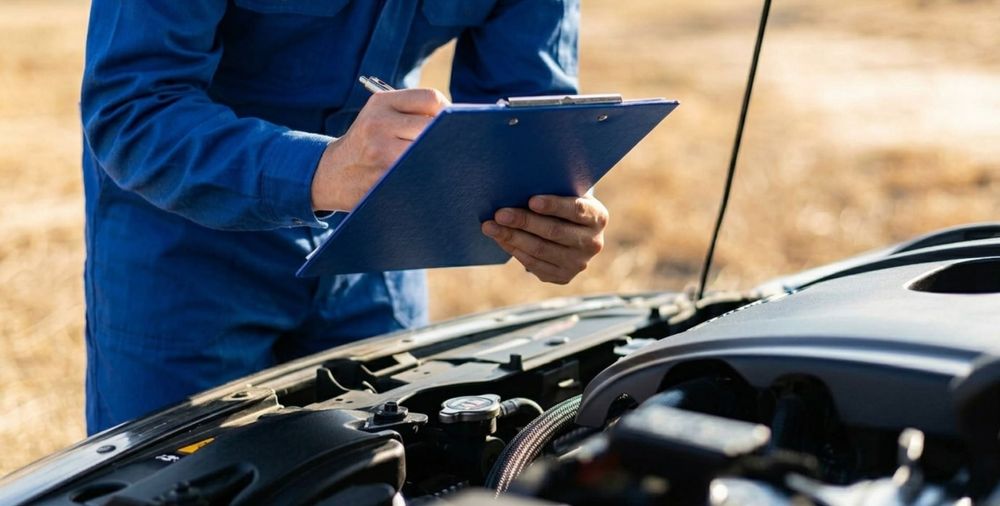
Follow Calibri Motorsport on Instagram
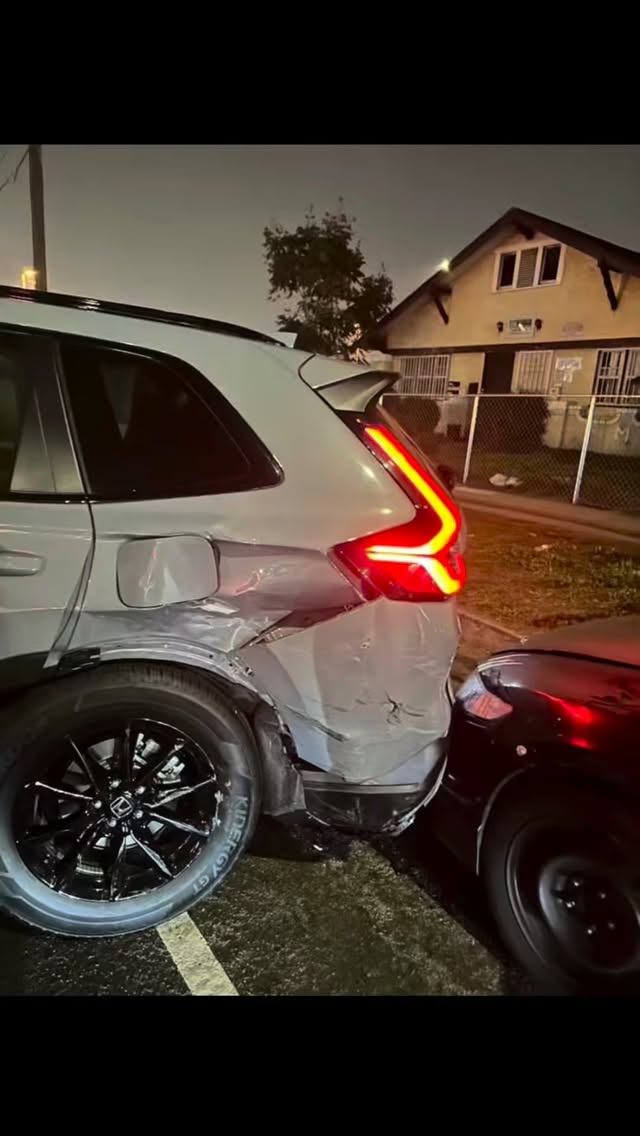
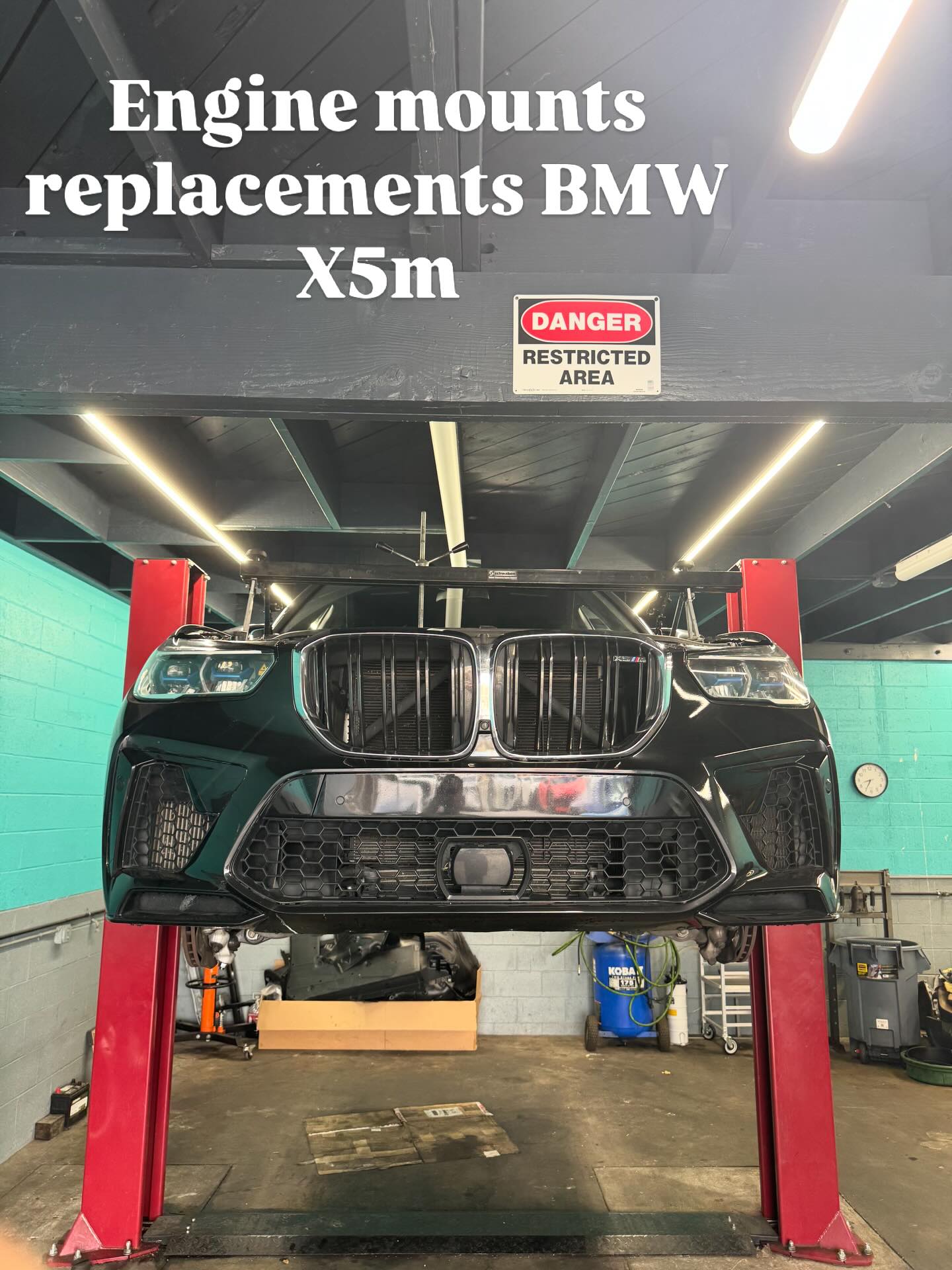
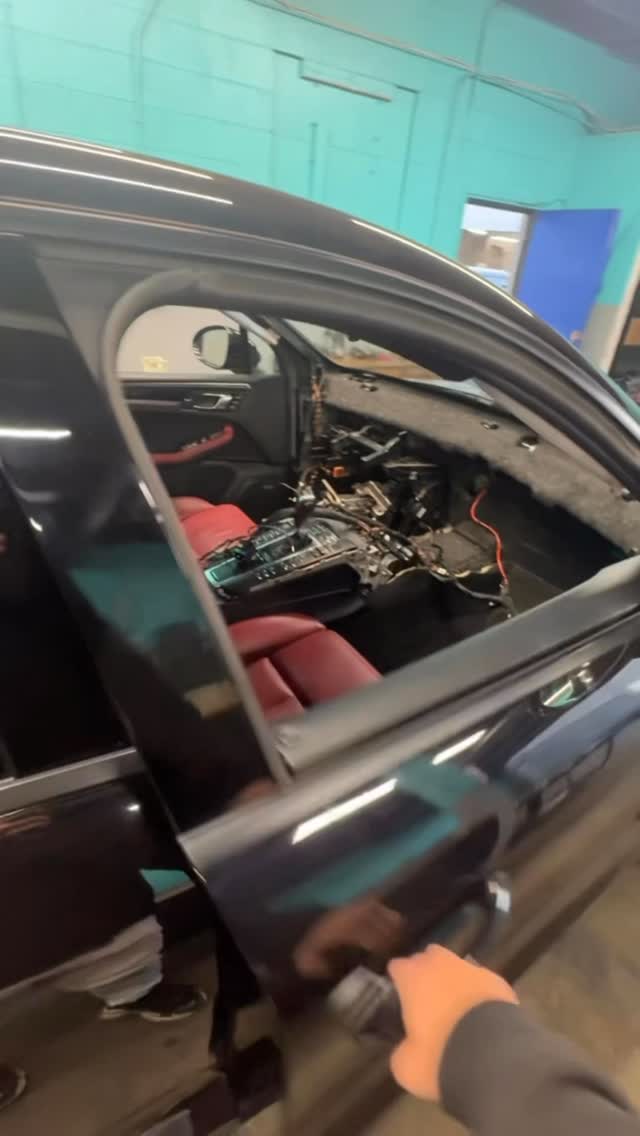
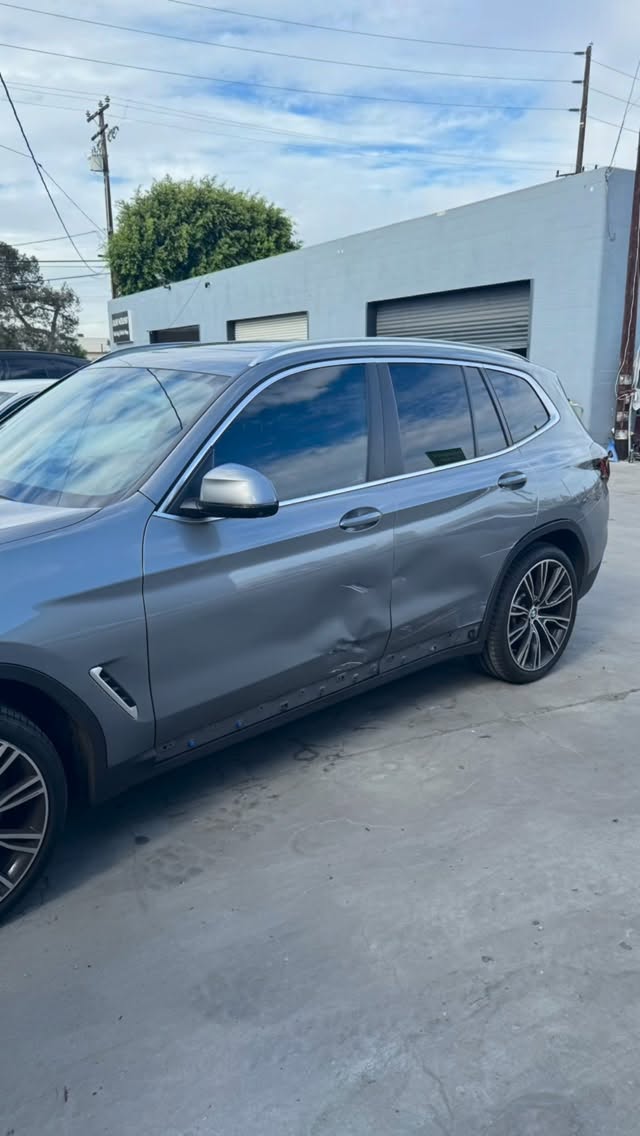
Stay connected with Calibri Motorsport on Instagram and discover our latest auto repair and collision projects in Los Angeles.
• Instagram: @calibrimotorsport •


Car Brands We Service in Los Angeles



















Let’s get in touch
Fill out the form and our specialists will help you with your problem.
Free estimate
Please fill in the form below. Uploading pictures of your car in the best way, you can inform us about your car’s condition