




Such a great experience from start to finish! The staff was very kind, professional and honest which is hard to find these days. Their services are efficient and I will definitely be coming back. Highly recommend :)
Trusted by Los Angeles Drivers
Great attention to detail repairing the damage to my car! Fast turnaround and great customer service!
Excellent service and quality work. My vehicle was repaired perfectly and looked like new when I picked it up. The team kept me updated throughout the process and completed everything on time. Very satisfied with the experience!
I would like to express my sincere gratitude to the team at Calibri Motors for their professional approach and excellent service! The work was completed quickly, efficiently. I especially appreciated the attentive customer care — everything was explained in detail, the issues were clearly shown, and the best solution was offered at a reasonable price. My car is running perfectly after the repair. From now on, I’ll only come to you and will definitely recommend you to my friends and family!
I was in a car accident. I went to this body shop and guys fixed everything. The car looks like new now. Highly recommended! I’ll definitely be coming back for service
Great experience! Extremely well organized system, got things done in a timely manner.
Fast and efficient service, oil change and vehicle maintenance for my Porsche. Will definitely be back
Great and quick service. Had an accident and received immediate help with my car and a replacement car as well. Would recommend to anyone📣
Let’s get in touch
Fill out the form and our specialists will help you with your problem.

Calibri Motorsport Location
The Calibri Motorsport shop offers a complete, comprehensive range of automotive service to ensure that your automobile is always in perfect technical condition. Our modern shop is fully equipped and technologically ready to perform any repair – from quick and routine oil and filter changes necessary for scheduled maintenance to the most complex computer diagnostics and major car renovation. We accept vehicles of all makes and models.





Car starter: features of operation and repair
Difficulties in starting the motor are a common problem faced by many vehicle owners. The best way to solve this problem is to contact a service center that provides a range of services for the diagnosis, repair, and replacement of equipment and components.
Special equipment and tools are required to identify and eliminate such malfunctions, as well as the valuable skills of car maintenance specialists who solve the most complex problems.
What does engine maintenance service include?
Maintaining motor performance is a set of services at an affordable cost. Most often, such procedures include:
- installing a new battery or generator;
- eliminating blockages in the electronic unit, as well as short circuits;
- diagnostics and possible repair of the engine starting system.
Only the normal operation of the key and auxiliary units of your car can ensure stable motor performance and reduce the risk of possible failure.
The starter plays an important role in the proper functioning of the engine. Without this element, starting is extremely difficult. Therefore, the motor must always be in perfect condition, which can be considered the main condition for ensuring the smooth operation of any car.
How the device works
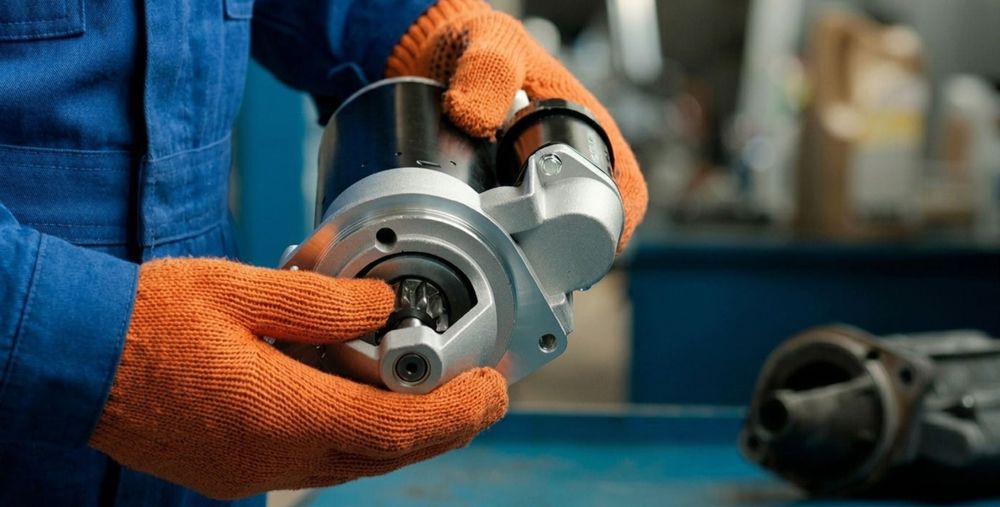
The car starting system is a small electric motor powered by a battery. It is started by a special magnetic switch. Its main task is to transmit torque to the crankshaft by means of an additional transmission flywheel. The rotating crankshaft draws in air and fuel, and the ignition distributor, which operates thanks to the crankshaft, creates the spark necessary to start the engine. After it starts, the starter system stops working.
The starter device requires a charged battery. When the key is turned in the ignition lock, a special magnet is activated, creating a connection with the flywheel. Its rotation starts the motor, after which the car can drive.
The starter operation is closely linked to the generator. This part receives torque directly from the engine via a belt drive. The generator supplies alternating current to the battery and other car systems.
How can you tell if a part is faulty and needs repair?
Identifying a malfunction in this part does not always require significant cost. Problems in its operation can be identified if it rotates, but the motor does not start. The main signs of malfunction in the starter are:
- slow rotation accompanied by frequent indicator light failure;
- complete lack of torque;
- the starting equipment clicks, but no further action is taken;
- loud squeaking noises made by the starter during operation occur if it does not make proper contact with the flywheel gear base.
If you find at least one of the above signs, the starting mechanism of your vehicle needs repair or complete replacement. In particular, to fix poor engagement with the flywheel, sometimes it is enough to simply perform the replacement of the clutch. If this work is not done in time, the starter can significantly damage the flywheel's gear shaft. In that case, you may have to spend additional cost on repair not only of this component but also of the gearbox.
The most frequently failing parts
The serviceability of all mechanical components of the starting equipment is the key to its successful operation. Any modern car starter includes a number of components that can need replacement after just two to three years of operation. To avoid having to push the car, regular diagnostics of the starting system and its parts are necessary.
Some of the least durable components with a low cost:
- carbon brushes;
- bearings;
- couplings and gears;
- armature with ring elements;
- housing, including special coating and magnets.
A major repair of the car engine starting equipment may include the replacement of the listed components, the cost of which is quite significant.
Checking the battery voltage
To determine whether the battery charge level meets the requirements, measure the battery voltage using a standard voltmeter. To do this:
- Set the device to 20 V, using the DC grid as a guide.
- Connect the measuring probes of the device to the battery terminals.
- Turn on the vehicle's headlights.
- Check the information displayed by the voltage control device. The normal voltage suitable for the starter is between 12.4 V and 12.6 V.
- If the number on the scale is less than 12.4 V, your battery needs to be charged.
If the battery has been in use for 4 years, it may need to be checked with a hydrometer. Its cost is usually low. You may need to perform the replacement of the battery after the check.
Check the condition of the wiring and cables
Even a small layer of rust can be a barrier to electricity. If your vehicle has not been properly maintained during operation, the likelihood of corrosion on its metal parts is quite high. Rust on battery connectors can be removed at little cost by cleaning them with baking soda dissolved in warm water. To do this, you need to:
- Add a spoonful of baking soda to 240 ml of water and stir the solution.
- Disconnect the battery connectors and apply the mixture to them with a brush.
- Thoroughly treat the top of the battery, preventing the liquid from getting inside.
- Make sure that the electrolyte is at the level of the lower part of the filler rings. You can increase the amount of this substance by adding clean water.
- Pay attention to the battery container. It should also be free of dirt.
After the check has been carried out, start the motor by reconnecting all the terminals.
Check the condition of the starter solenoid
The solenoid is a small cylinder located at the top of the starter device. The positive battery connection extends from it. If this part breaks down, it becomes difficult to start the engine.
To check the solenoid, disconnect all cables leading from it to the engine to prevent it from starting during work. The thick cable coming from the top of the distributor must be disconnected. In addition, to disconnect it, simply remove the fuse from the fuel pump.
If you hear clicking sounds during the test, it means that electricity is being supplied to the solenoid and it is functioning without failure. If you hear faint, barely audible clicks, check the integrity of the cable leading to the solenoid and the relay.
How is the repair carried out?
Repairing this important vehicle component requires special skills and responsibility. The work may include the following steps:
- disassembly and replacement of components;
- removal of all contaminants;
- checking the relay, contacts, and winding;
- creating a new winding layer if necessary;
- inspection, rewinding, and adjustment of the armature balance;
- installing a new housing;
- installing new bushings and bearings;
- complete replacement if it is unsuitable or impossible to repair.
When working with a pull-in relay, first of all, make sure that it is intact and has no obvious defects. Be sure to check the winding resistance. It should be within 1-1.5 ohms.
If you think that your vehicle's starting equipment is faulty, it is best to contact a certified vehicle service center to solve the problem. Thanks to fast and high-quality diagnostics and repair, you can eliminate any car malfunctions that may arise in various parts of the car at a reasonable cost.
Follow Calibri Motorsport on Instagram
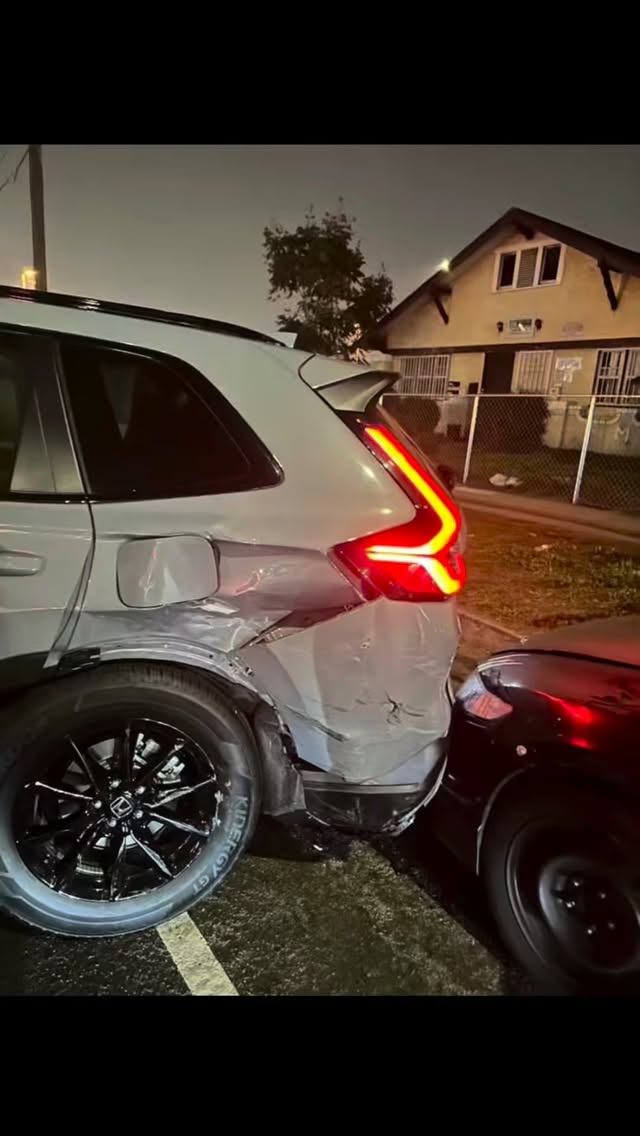
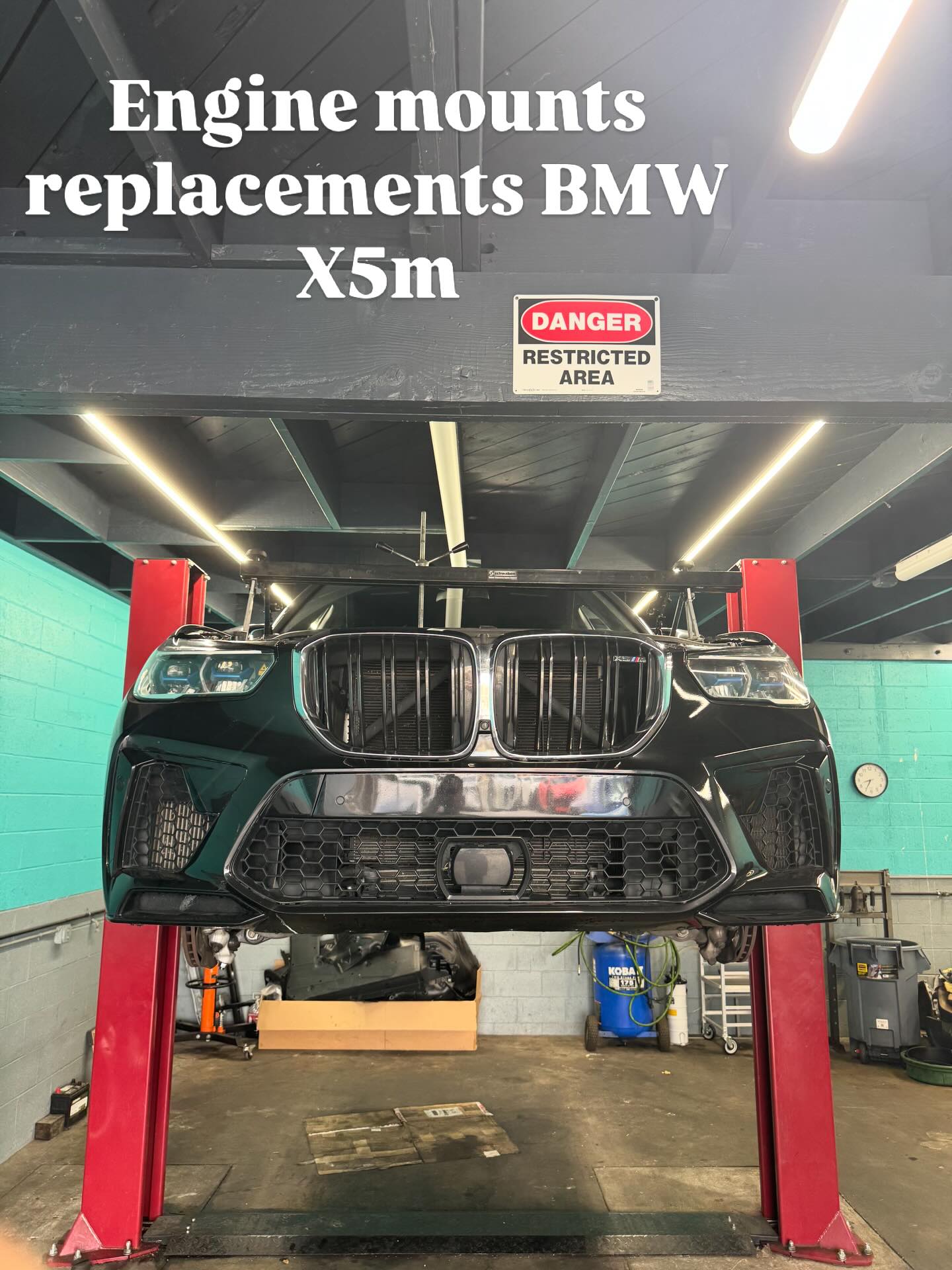
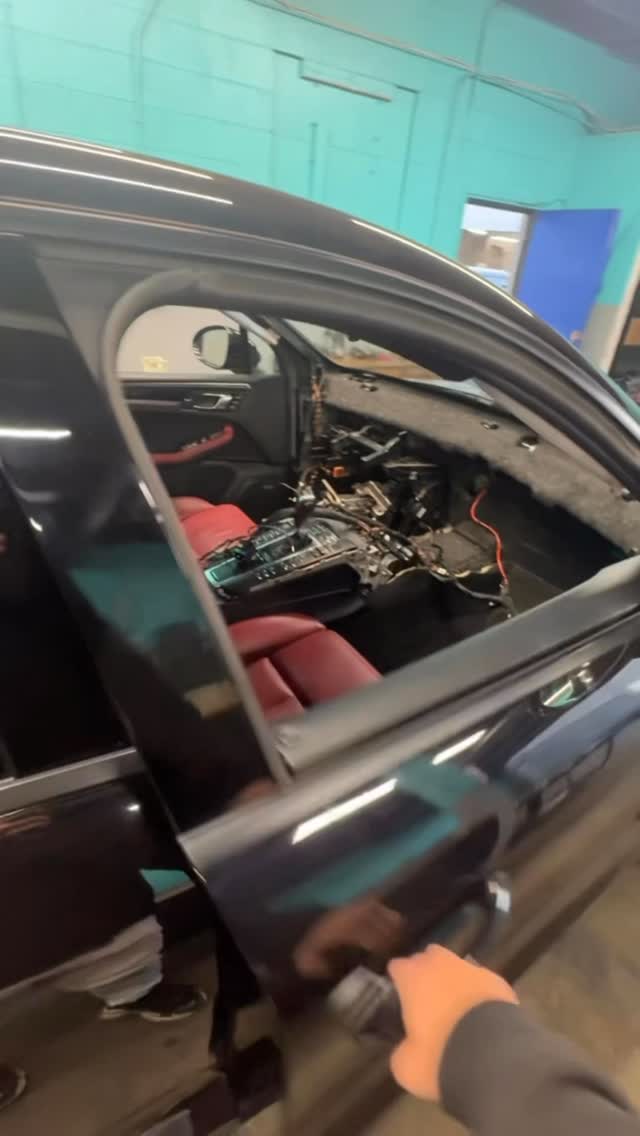
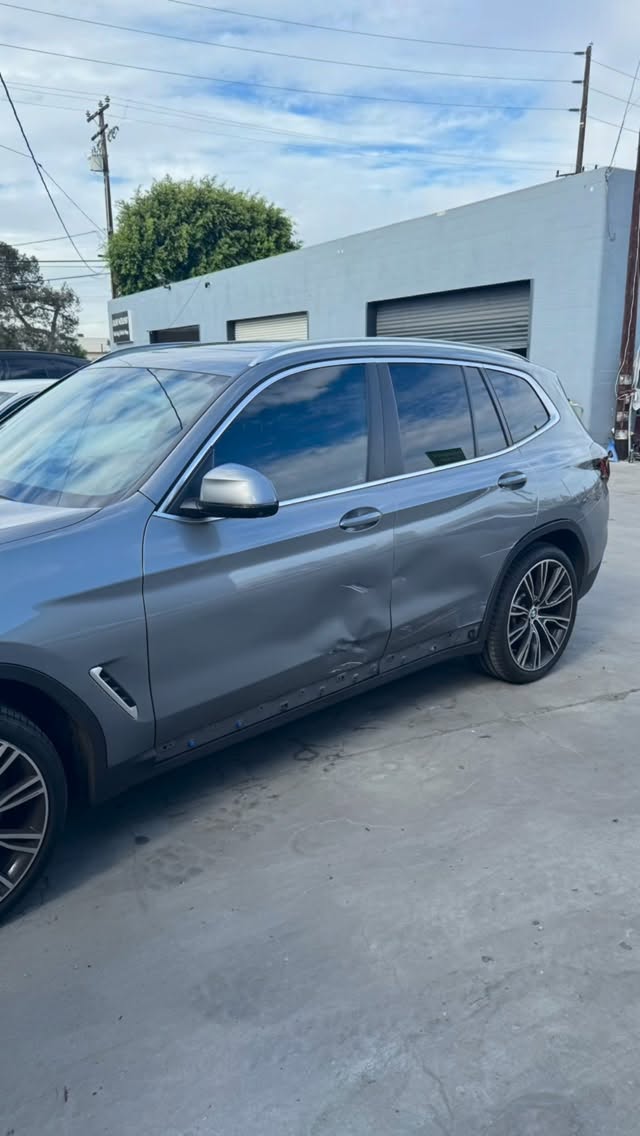
Stay connected with Calibri Motorsport on Instagram and discover our latest auto repair and collision projects in Los Angeles.
• Instagram: @calibrimotorsport •


Car Brands We Service in Los Angeles






















Let’s get in touch
Fill out the form and our specialists will help you with your problem.
Free estimate
Please fill in the form below. Uploading pictures of your car in the best way, you can inform us about your car’s condition