




Such a great experience from start to finish! The staff was very kind, professional and honest which is hard to find these days. Their services are efficient and I will definitely be coming back. Highly recommend :)
Trusted by Los Angeles Drivers
Great attention to detail repairing the damage to my car! Fast turnaround and great customer service!
Excellent service and quality work. My vehicle was repaired perfectly and looked like new when I picked it up. The team kept me updated throughout the process and completed everything on time. Very satisfied with the experience!
I would like to express my sincere gratitude to the team at Calibri Motors for their professional approach and excellent service! The work was completed quickly, efficiently. I especially appreciated the attentive customer care — everything was explained in detail, the issues were clearly shown, and the best solution was offered at a reasonable price. My car is running perfectly after the repair. From now on, I’ll only come to you and will definitely recommend you to my friends and family!
I was in a car accident. I went to this body shop and guys fixed everything. The car looks like new now. Highly recommended! I’ll definitely be coming back for service
Great experience! Extremely well organized system, got things done in a timely manner.
Fast and efficient service, oil change and vehicle maintenance for my Porsche. Will definitely be back
Great and quick service. Had an accident and received immediate help with my car and a replacement car as well. Would recommend to anyone📣
Let’s get in touch
Fill out the form and our specialists will help you with your problem.

Calibri Motorsport Location
The Calibri Motorsport shop offers a complete, comprehensive range of automotive service to ensure that your automobile is always in perfect technical condition. Our modern shop is fully equipped and technologically ready to perform any repair – from quick and routine oil and filter changes necessary for scheduled maintenance to the most complex computer diagnostics and major car renovation. We accept vehicles of all makes and models.



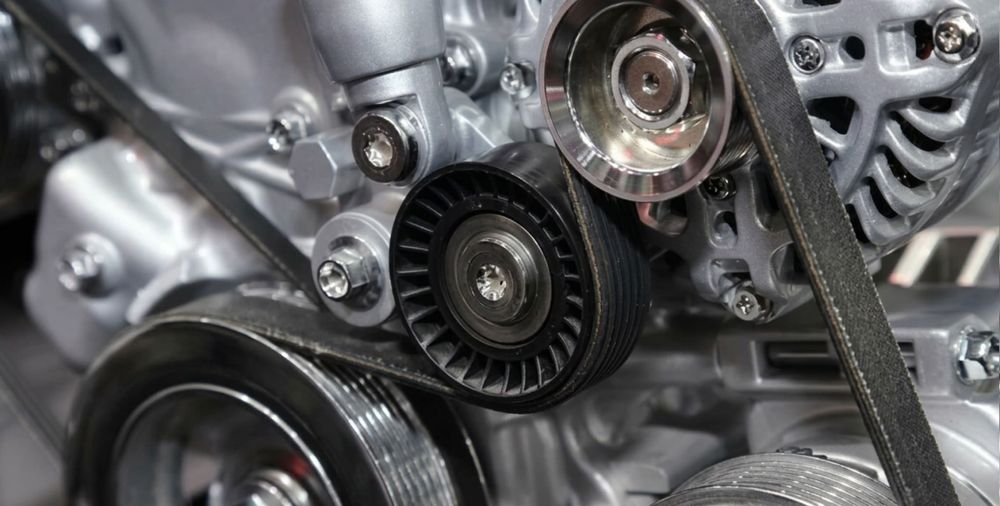
Car Belt Replacement: professional drive system maintenance
Your car drive systems are what make all the important auxiliary components work. They transfer energy from the engine to the generator, which charges the battery, to the power steering pump, air conditioning compressor, and cooling system pump. All these mechanisms are completely dependent on the condition of the belt. If you carry out diagnostics promptly and replacement of worn parts, you will avoid serious breakdowns.
Types of belt in a car and their functions
Modern auto vehicles use different drive configurations. Each of them has its own features of operation and maintenance. The main types of belt are:
- Serpentine (poly-V). The most common type today. One long element wraps around several pulleys and drives all auxiliary units at once. Its advantage is compactness and efficiency, but a failure means a simultaneous shutdown of all systems. The service life is usually 60–100 thousand kilometers, depending on operating conditions.
- Timing. It synchronizes the operation of the crankshaft and camshaft, ensuring correct valve timing. Its breakage leads to catastrophic engine damage — pistons hit the valves and can cause thousands of dollars in damage. Manufacturers set strict replacement intervals: usually every 60–120 thousand kilometers or once every five to seven years.
- V-belt elements are found on older car models and in some specialized systems.
Each type of these connections drives its own appropriate unit. And its defects affect the operation of the entire mechanism. As a result, your car will not work properly.
Signs of wear and the need for intervention
Early detection of problems with the belt allows you to avoid emergencies and unplanned repair cost. Let's take a look at what to look for during an inspection.
Visual signs of damage
Regular inspection should be part of routine car maintenance. Cracks on the surface indicate aging of the material and loss of elasticity. Even small cracks are a cause for concern, as they quickly deepen under load. Delamination of the material manifests itself in the separation of the top layer of rubber from the inner cord – such an element can break at any moment.
A shiny, glazed surface indicates slippage on the pulleys due to weakened tension or oil contamination. Wear on V-belt ribs is noticeable upon close inspection – they become rounded instead of sharp. Pieces of missing rubber or visible damage to the cord require immediate attention.
Audible and functional symptoms
Your car communicates problems through characteristic signs. A high-pitched squealing sound when starting the engine or turning on the air conditioner indicates slippage. Squeaking or grinding noises may indicate wear on the tensioner pulley bearings or mounted units.
Battery undercharge occurs when the slipping element does not provide sufficient generator speed. Heavy steering indicates problems in the power steering system, possibly related to the pump drive. Engine overheating can be the result of insufficient cooling system pump performance due to energy transfer problems.
Renewal process
Proper planning of the replacement of drive systems helps to optimize and ensure the reliability of your car for many years to come.
Qualified specialists follow a clear algorithm when performing a replacement. Diagnostics of the entire drive system consists of checking the condition of the pulleys, tension rollers, and guides. Worn components are identified before work begins. This allows them to be replaced and avoids repeated dismantling.
Tension is released using a special tool. It allows for controlled movement of the tensioner without the risk of damage. The old belt can be removed very carefully according to the diagram. Just be sure to remember where everything was located. The installation of the new element must strictly follow the route of the original. Any deviation will result in the systems malfunctioning.
The tension is adjusted according to the manufacturer's specifications. Insufficient tension causes slippage and premature wear, while excessive tension overloads the bearings of the units. After installation, all systems are checked at different engine speeds.
Factors affecting the service price
Budget planning requires an understanding of all components of the work. The cost varies widely depending on several factors.
Compact automobiles with a simple engine compartment layout allow quick access to the belt, which reduces the cost of work. Premium models and automobiles with a transverse engine layout require the removal of many components for access, which increases labor costs by two to three times.
The complexity of the work also determines the final cost. Experienced mechanics recommend installing new tension pulleys, guides, and a cooling system pump when replacing gas distribution mechanism components. Although this increases the one-time cost, this approach is economically justified – reassembling the engine to install a failed roller will be significantly more expensive.
The quality of spare parts directly affects the cost and durability. Original belt from the manufacturer guarantee exact compliance with specifications and maximum service life, but they are more expensive. High-quality analogues of well-known brands offer a good balance between cost and quality. Cheap parts of dubious origin create the risk of premature failure and potentially catastrophic consequences.
Preventive car maintenance and recommendations
Regular maintenance of your car drive systems extends the service life of components and prevents emergencies. It is advisable to visually inspect the timing belt every 10,000 kilometers or every time you perform the replacement of the oil– it takes just a couple of minutes. A detailed check of the tension and condition of the rollers is required every 30,000 kilometers.
Replacement of components must be carried out strictly in accordance with the manufacturer's regulations, usually within the range of 60-120 thousand kilometers. It is not worth saving on this procedure or postponing it. Untimely installation can become tens of times more expensive than planned. The serpentine (poly-V belt) is replaced every 60-100 thousand kilometers. Sometimes earlier, when visible signs of wear appear.
Aggressive driving with frequent sharp accelerations puts additional strain on the drive system. Operation in dusty conditions leads to abrasive wear, and malfunctions of attachments create excessive resistance to rotation.
Proper maintenance begins with choosing a qualified service center. Calibri Motorsport technicians use only high-quality parts and follow the manufacturer's technologies for each replacement. They perform comprehensive diagnostics of the entire drive system, identifying potential problems before they manifest themselves.
Do not delay installing a new belt – the consequences of its breakage are always more expensive than preventive measures. A break in the gas distribution mechanism leads to engine damage. Even a broken V-belt leaves you without power steering, battery charging, and engine cooling, which can result in a tow truck and expensive repairs.
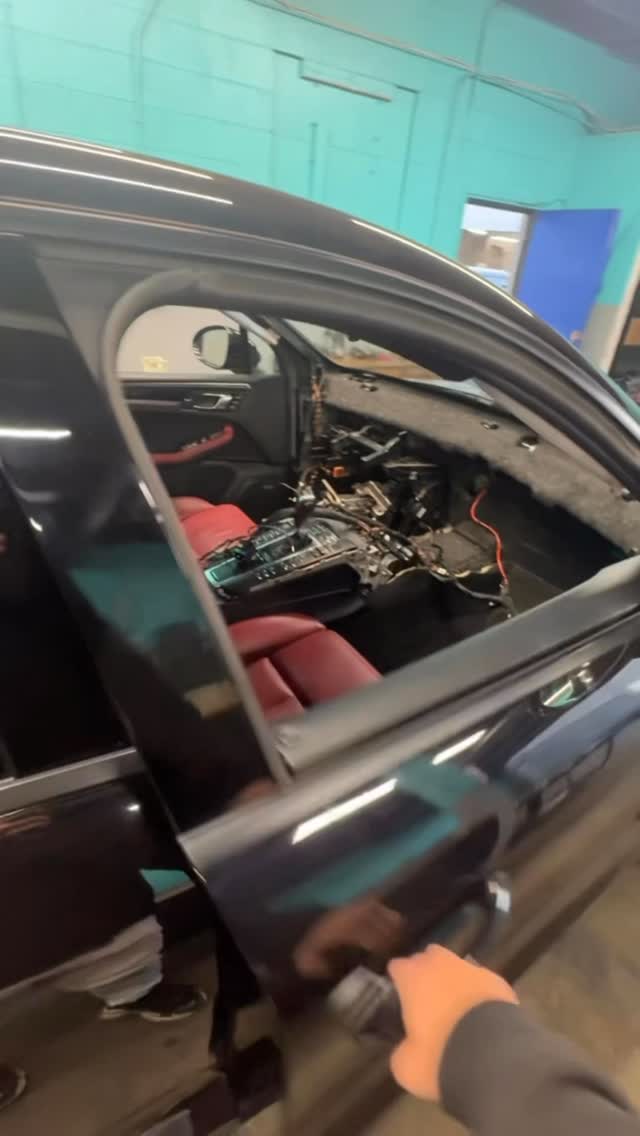
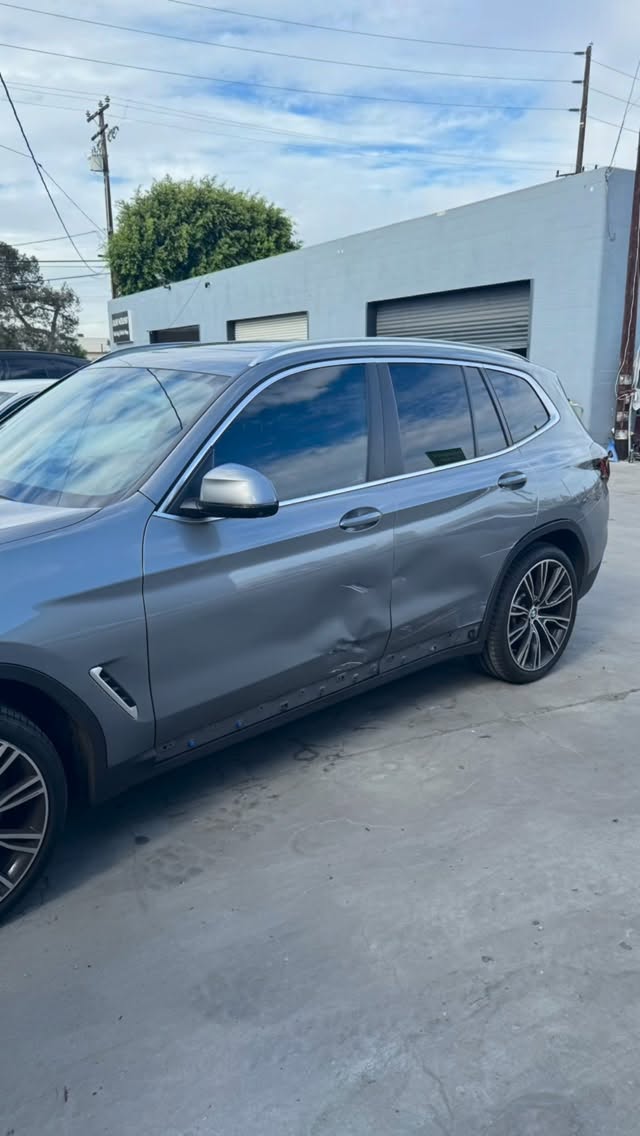
Follow Calibri Motorsport on Instagram
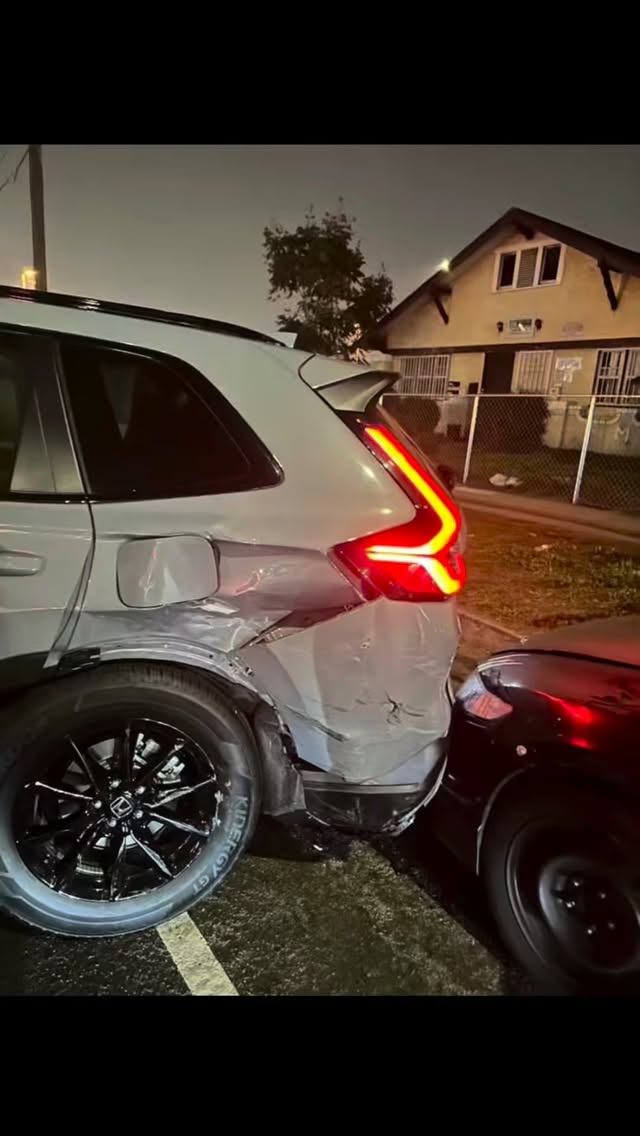
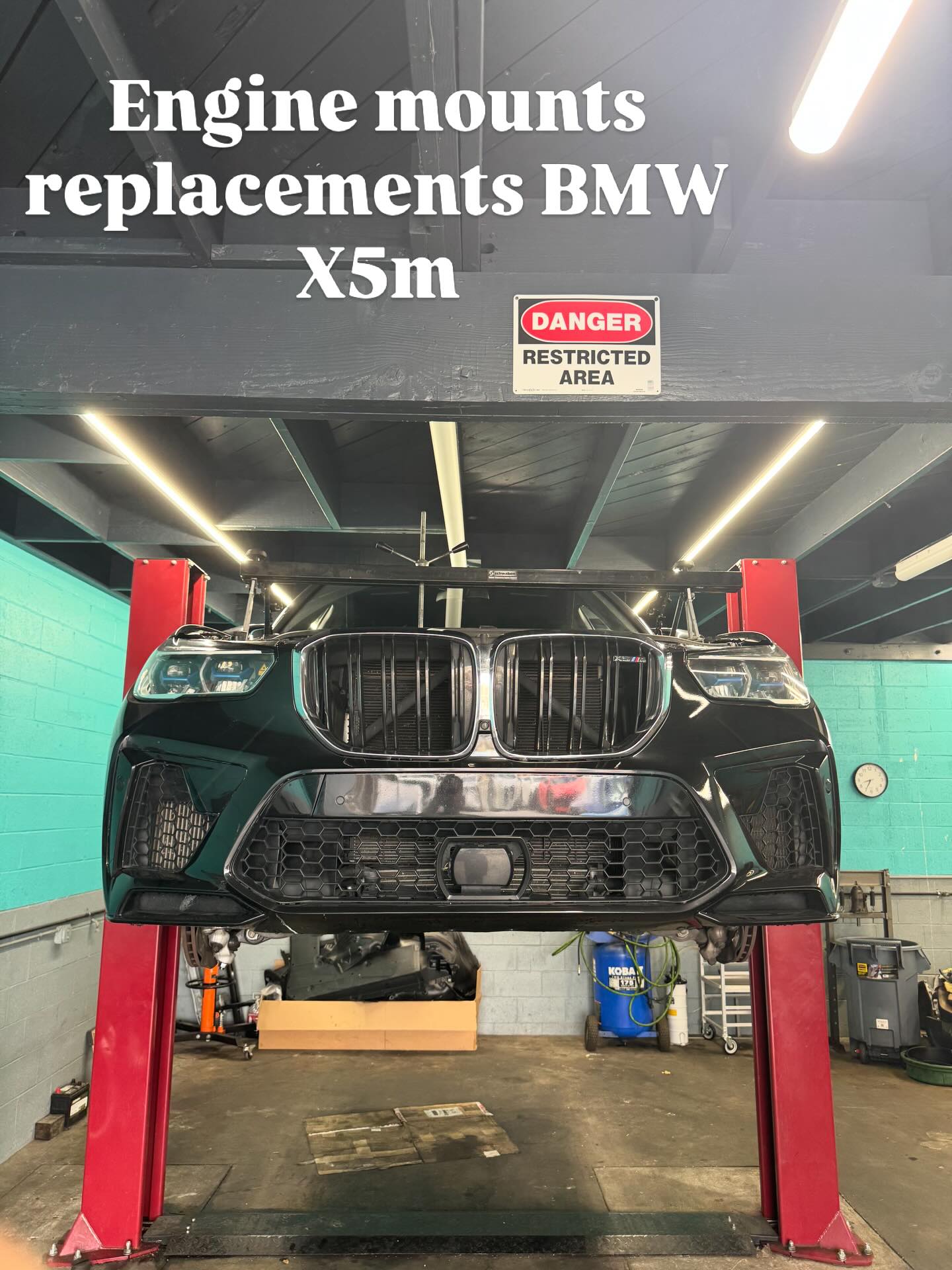
Stay connected with Calibri Motorsport on Instagram and discover our latest auto repair and collision projects in Los Angeles.
• Instagram: @calibrimotorsport •


Car Brands We Service in Los Angeles





















Let’s get in touch
Fill out the form and our specialists will help you with your problem.
Free estimate
Please fill in the form below. Uploading pictures of your car in the best way, you can inform us about your car’s condition