




Such a great experience from start to finish! The staff was very kind, professional and honest which is hard to find these days. Their services are efficient and I will definitely be coming back. Highly recommend :)
Trusted by Los Angeles Drivers
Great attention to detail repairing the damage to my car! Fast turnaround and great customer service!
Excellent service and quality work. My vehicle was repaired perfectly and looked like new when I picked it up. The team kept me updated throughout the process and completed everything on time. Very satisfied with the experience!
I would like to express my sincere gratitude to the team at Calibri Motors for their professional approach and excellent service! The work was completed quickly, efficiently. I especially appreciated the attentive customer care — everything was explained in detail, the issues were clearly shown, and the best solution was offered at a reasonable price. My car is running perfectly after the repair. From now on, I’ll only come to you and will definitely recommend you to my friends and family!
I was in a car accident. I went to this body shop and guys fixed everything. The car looks like new now. Highly recommended! I’ll definitely be coming back for service
Great experience! Extremely well organized system, got things done in a timely manner.
Fast and efficient service, oil change and vehicle maintenance for my Porsche. Will definitely be back
Great and quick service. Had an accident and received immediate help with my car and a replacement car as well. Would recommend to anyone📣
Let’s get in touch
Fill out the form and our specialists will help you with your problem.

Calibri Motorsport Location
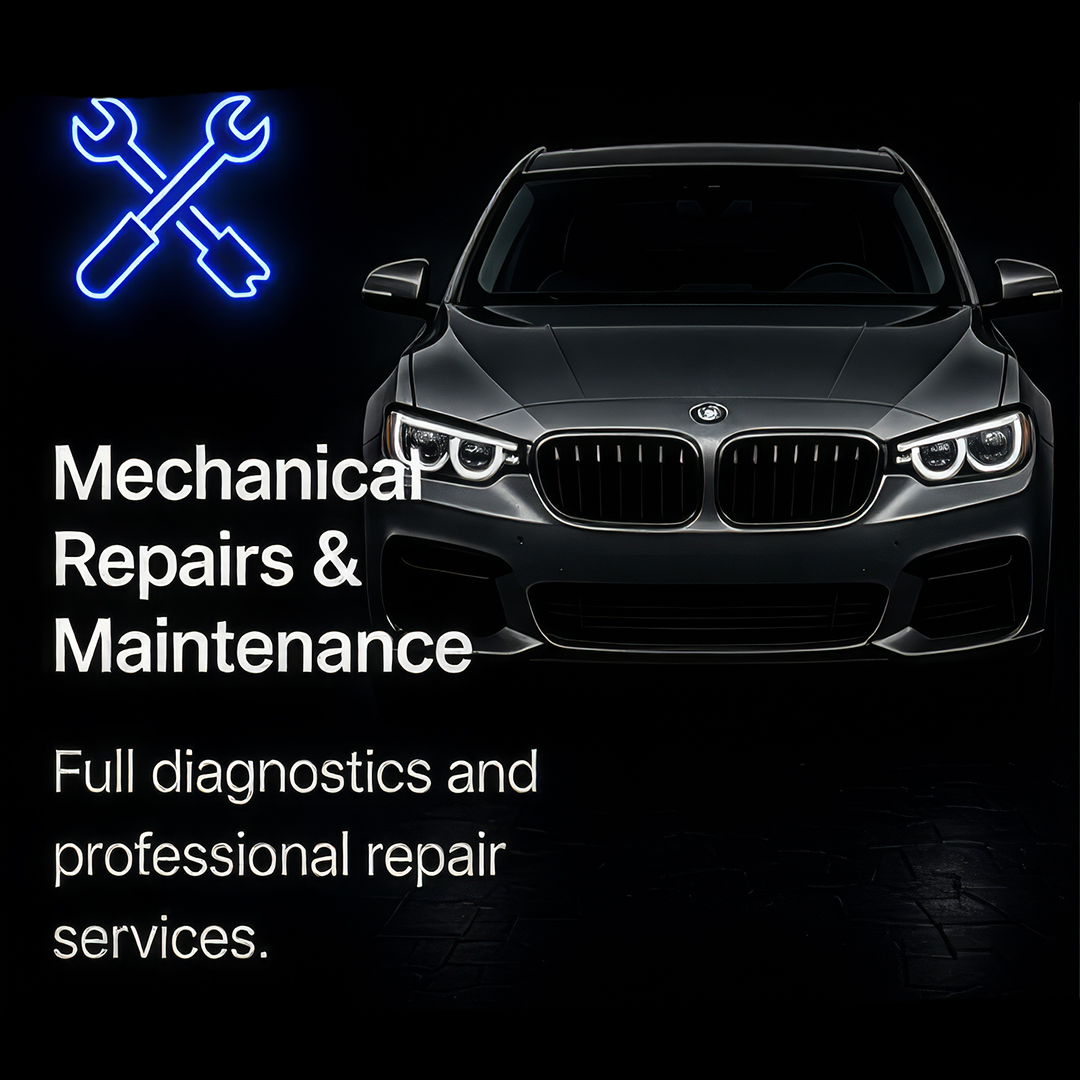
The Calibri Motorsport shop offers a complete, comprehensive range of automotive service to ensure that your automobile is always in perfect technical condition. Our modern shop is fully equipped and technologically ready to perform any repair – from quick and routine oil and filter changes necessary for scheduled maintenance to the most complex computer diagnostics and major car renovation. We accept vehicles of all makes and models.







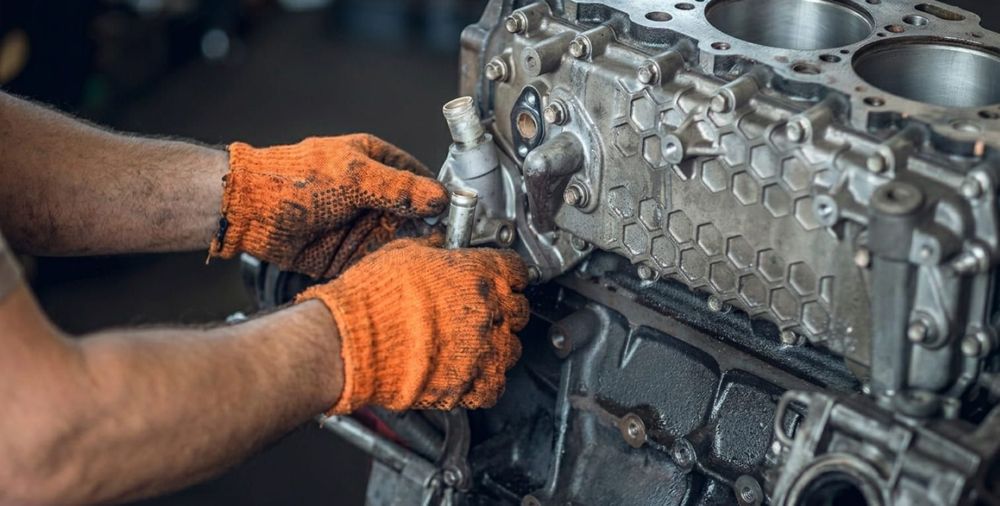
Comprehensive service shop and expert diesel repair of fuel systems
Power units running on heavy fuel are rightly considered the benchmark for endurance and traction. They are capable of covering hundreds of thousands of kilometers, providing the owner with confidence on the road and significant fuel savings. However, such reliability depends on the precision of the internal components. When components wear out, the owner inevitably needs high-quality diesel repair. The slightest deviation in the mixture supply parameters leads to a loss of power and rapid failure of the entire piston group.
Why modern systems require a special approach
Technology does not stand still, and today most machines are equipped with a Common Rail system. This solution allows for quiet operation and high environmental friendliness, but makes the components extremely sensitive to the cleanliness of consumables. Any repair shop will confirm that the main cause of breakdowns lies in microscopic particles of dirt or drops of condensate entering the main line.
For the diesel repair procedure to be successful, the technical center must have sterile conditions for assembly. Dust is the main enemy of precision parts. If the mechanic works in a dirty box, the service life of the repaired part will be reduced tenfold. That is why the choice of service location is so important for the longevity of your vehicle.
Detailed list of systems to be restored
During operation, virtually all key components are subjected to stress. Professional inspection and subsequent restoration usually cover a whole range of components. Below is a list of items that most often require the attention of specialists:
- High-pressure fuel equipment: pumps, injectors, and regulators in the rail.
- Turbocharging: checking the condition of the impeller, actuator, and absence of oil leaks in the intercooler.
- Environmental systems: cleaning the exhaust gas recirculation valves and restoring the flow capacity of the particulate filters.
- Cylinder head: checking for leaks, replacing gaskets, and lapping valve mechanisms.
- Electronic control unit: diagnosing software malfunctions and adjusting injection maps.
High-quality diesel repair begins with disassembling the unit and inspecting it under a microscope. This allows metal fatigue or hidden cracks to be identified before they cause fatal damage to the entire unit.
Main factors leading to malfunctions
Most problems can be prevented if you know their root causes. When a driver visits a specialized shop, mechanics often point out the same operating errors. Diesel equipment does not forgive negligence, and here are the main risk factors:
- Use of low-quality fuel. High sulfur content and foreign impurities literally “eat away” at the mirror surface of the plungers.
- Untimely service. Old filters no longer retain small particles that act as abrasives.
- Cold starts and lack of warm-up. Viscous lubricant does not have time to reach the turbine, causing it to run out of oil.
- Aggressive driving style on a cold engine. This leads to uneven expansion of metals and the appearance of scuffs.
- Use of non-original spare parts. Cheap analogues often cannot withstand operating temperatures and loads.
If you want your vehicle to always be on the road, regular visits to a reliable shop should become the norm. Preventive replacement of a penny sensor can save you the budget that is usually spent on a major repair.
The role of fine tuning and calibration in the operation process
Many modern cars come from the factory with “restricted” characteristics. Engineers are forced to sacrifice efficiency for the sake of strict emission limits. Specialists from the specialized shop Calibri Motorsport offer professional solutions for optimizing software performance. Once the technical aspects have been sorted out and diesel repair has been carried out, it is time for software tuning.
Proper adjustment allows you to:
- reduce the load on components by increasing pressure more smoothly;
- eliminate “turbo lag” and make the response to the accelerator pedal instantaneous;
- reduce actual fuel consumption during calm driving;
- disable failed environmental components.
This approach ensures that after diesel repair, the car will run better than new. An individual approach to each engine is what distinguishes an expert shop from a regular service center.
How to recognize an impending crisis: symptoms of failure
Heavy fuel equipment usually gives signs of malfunction long before it stalls completely. An attentive owner will always notice changes in the “behavior” of their vehicle. If you notice any of the following signs, it's time to look for a qualified service shop:
- Smoke. Black soot indicates an excess of fuel, blue smoke indicates oil entering the chambers, and white smoke may be a sign of antifreeze leakage.
- Metallic knocking or ringing. This usually indicates that the sprayers are not working properly and are starting to “spray” a jet instead of a mist.
- Loss of momentum. The car accelerates sluggishly, is reluctant to overtake, and has to shift to lower gears when going uphill.
- Increased fuel consumption. If the readings on the on-board computer have started to rise for no apparent reason, the injection system requires urgent attention.
Any diesel repair in such cases should start with a computer scan. It is important to see how the corrections work for each cylinder. If the spread is too large, the mechanic in the shop decides to remove the injectors for testing on a hydraulic bench.
Technological subtleties of the restoration process
The procedure for returning the engine to working order is a multi-stage process. It requires not only powerful wrenches, but also precise measuring instruments. When performing a diesel repair, the specialists at Calibri Motorsport shop pay great attention to the tightening of bolts and the cleanliness of all mating surfaces.
For example, when restoring a turbocharger, rotor balancing is critical. Even the slightest imbalance at speeds above 100,000 rpm will lead to instant destruction of the unit. A good shop uses special laser balancing machines for this purpose. The same applies to fuel pumps: each plunger pair is adjusted with micron precision.
Upon completion of all work, a mandatory step is to run the engine at idle speed and check all operating parameters under load. Only after the mechanic has verified that there are no leaks and that the pressure readings are correct is the car returned to the owner.
Tips for operation after restoration work
It is recommended to avoid peak loads for the first few hundred kilometers. This is necessary so that new or restored parts can bed in. It is also worth paying attention to the quality of the fuel you use – your engine is now running at ideal settings and is very sensitive to surrogates.
Regular diagnostics at a trusted shop, such as Calibri Motorsport, will allow you to enjoy the power and economy of your car for many years to come. High-quality diesel repair will restore your vehicle's former agility and reliability. Do not put off a visit to a mechanic, because a serviceable car means your safety and peace of mind on any road.
Follow Calibri Motorsport on Instagram
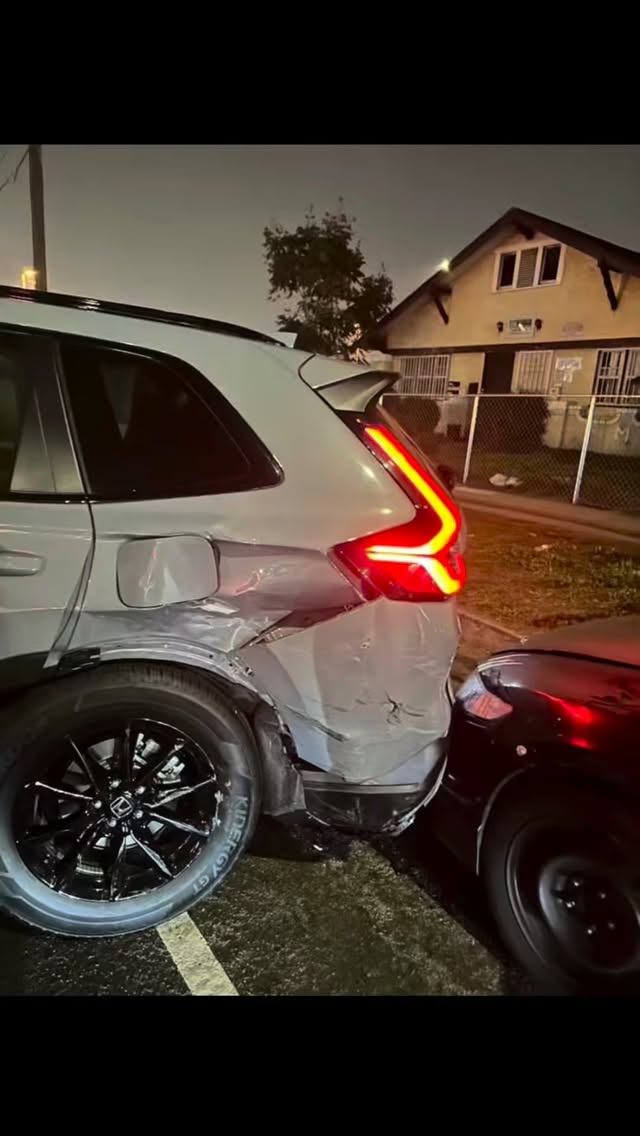
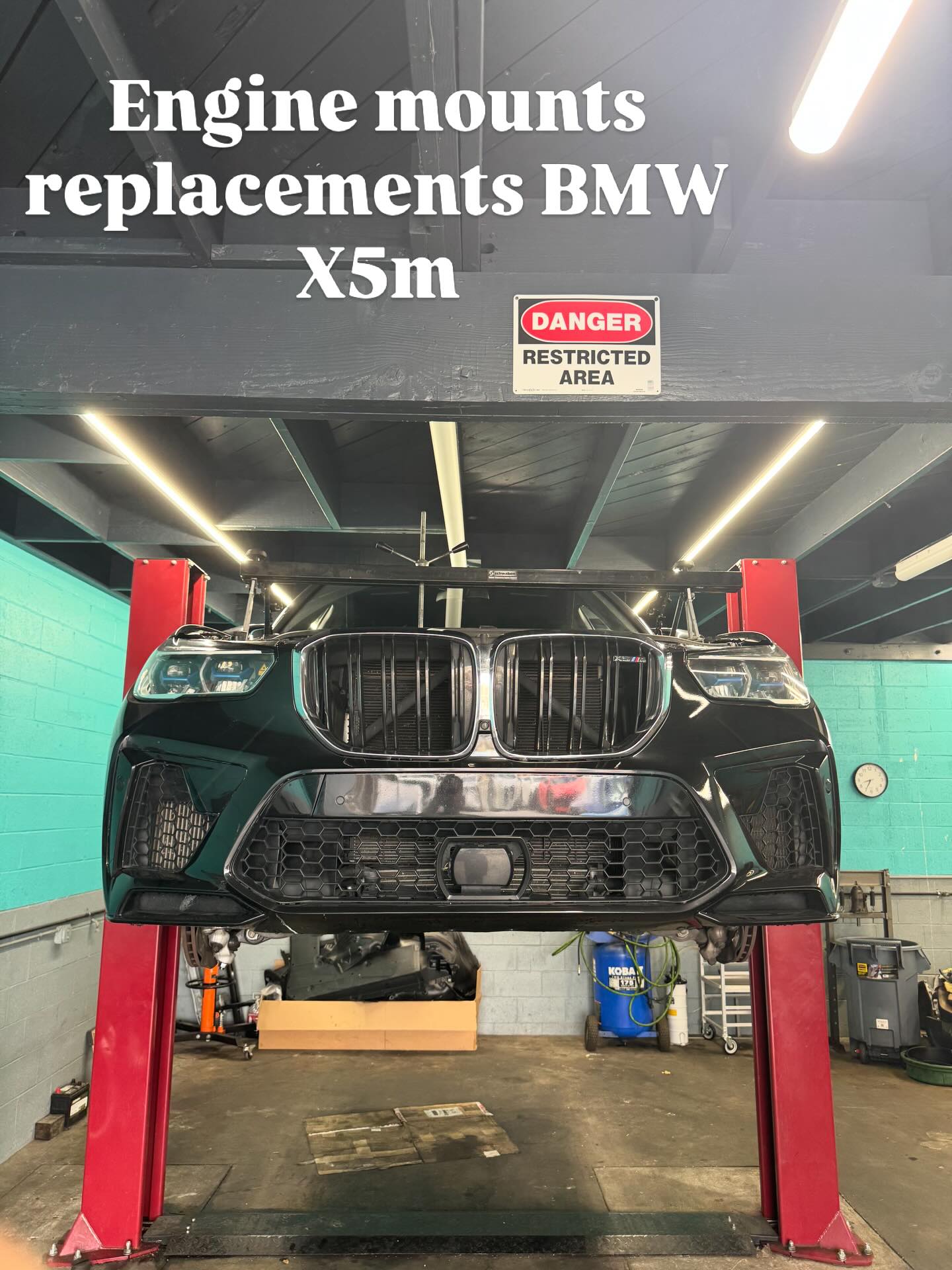
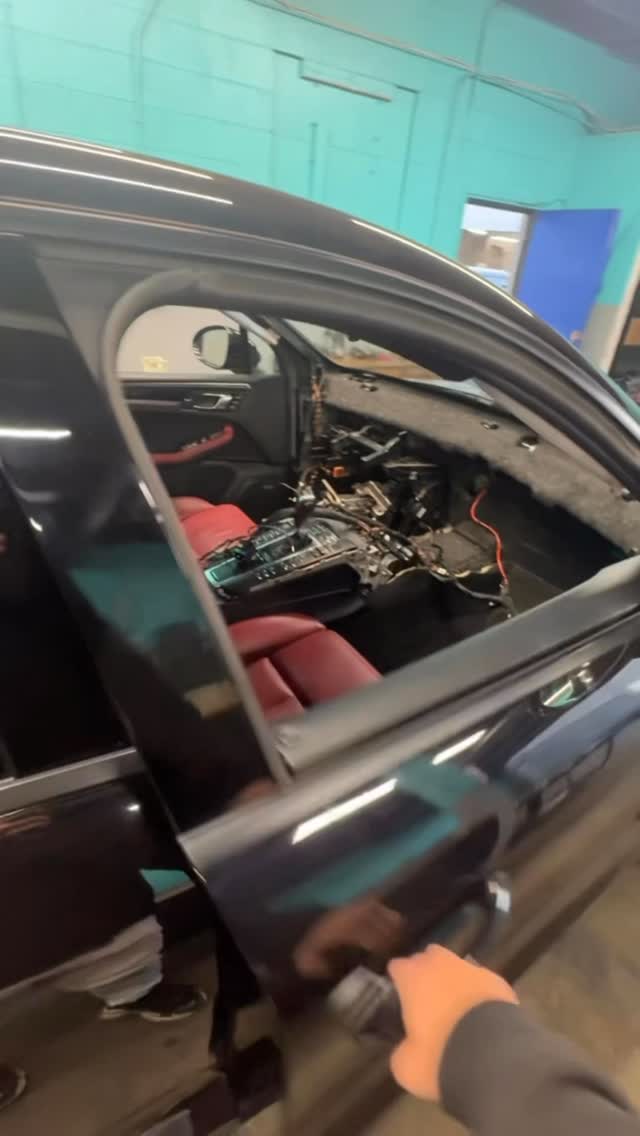
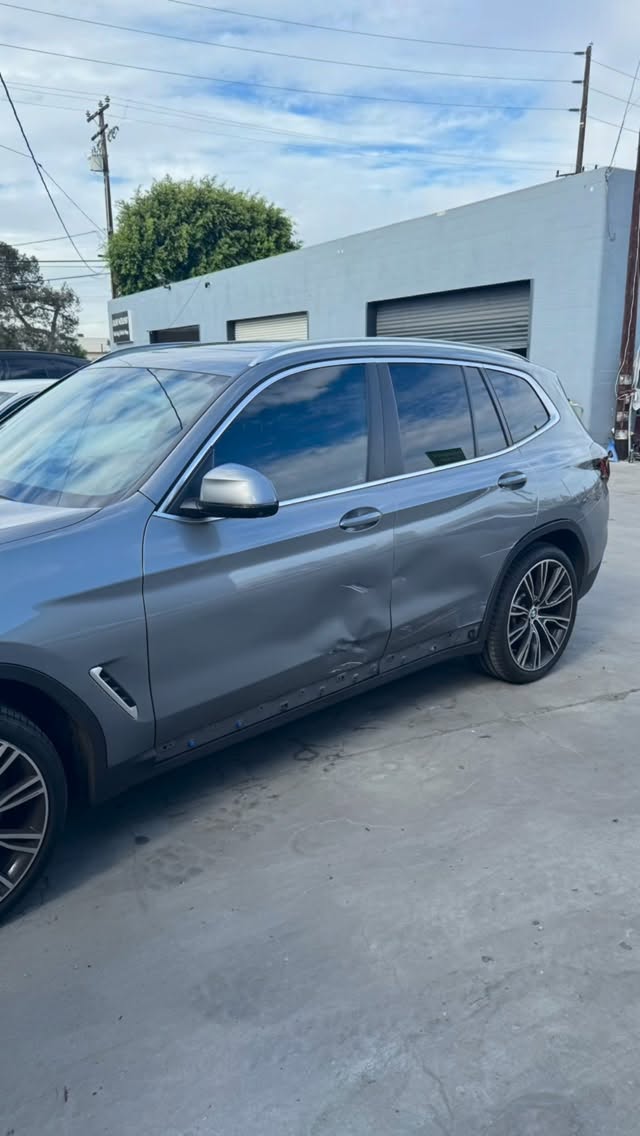
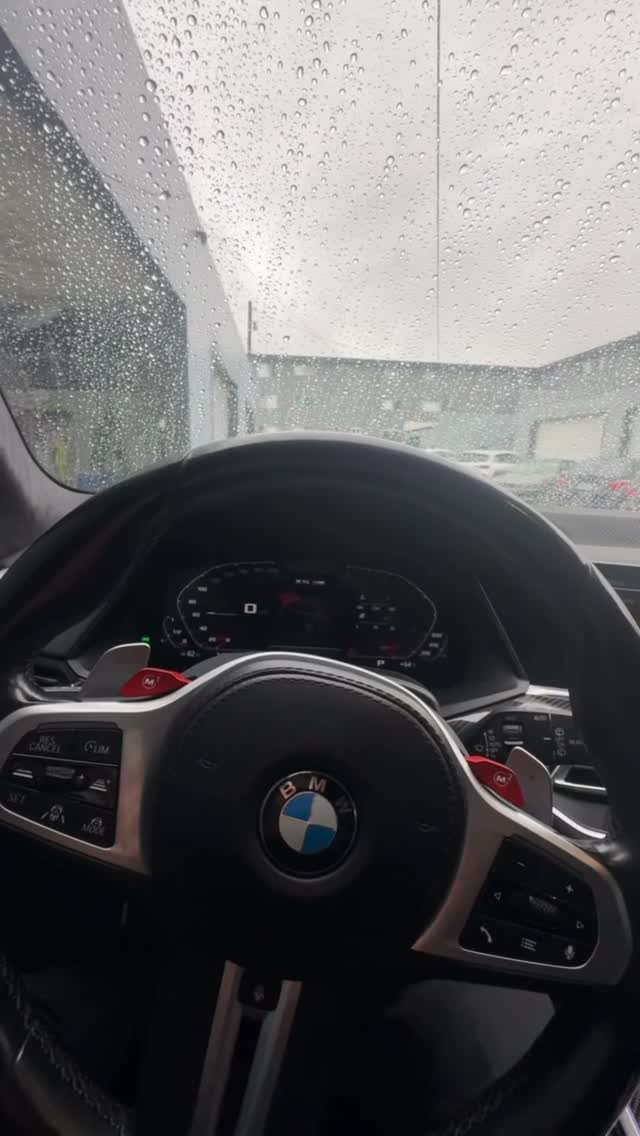
Stay connected with Calibri Motorsport on Instagram and discover our latest auto repair and collision projects in Los Angeles.
• Instagram: @calibrimotorsport •


Car Brands We Service in Los Angeles





















Let’s get in touch
Fill out the form and our specialists will help you with your problem.
Free estimate
Please fill in the form below. Uploading pictures of your car in the best way, you can inform us about your car’s condition