




Such a great experience from start to finish! The staff was very kind, professional and honest which is hard to find these days. Their services are efficient and I will definitely be coming back. Highly recommend :)
Trusted by Los Angeles Drivers
Great attention to detail repairing the damage to my car! Fast turnaround and great customer service!
Excellent service and quality work. My vehicle was repaired perfectly and looked like new when I picked it up. The team kept me updated throughout the process and completed everything on time. Very satisfied with the experience!
I would like to express my sincere gratitude to the team at Calibri Motors for their professional approach and excellent service! The work was completed quickly, efficiently. I especially appreciated the attentive customer care — everything was explained in detail, the issues were clearly shown, and the best solution was offered at a reasonable price. My car is running perfectly after the repair. From now on, I’ll only come to you and will definitely recommend you to my friends and family!
I was in a car accident. I went to this body shop and guys fixed everything. The car looks like new now. Highly recommended! I’ll definitely be coming back for service
Great experience! Extremely well organized system, got things done in a timely manner.
Fast and efficient service, oil change and vehicle maintenance for my Porsche. Will definitely be back
Great and quick service. Had an accident and received immediate help with my car and a replacement car as well. Would recommend to anyone📣
Let’s get in touch
Fill out the form and our specialists will help you with your problem.

Calibri Motorsport Location
The Calibri Motorsport shop offers a complete, comprehensive range of automotive service to ensure that your automobile is always in perfect technical condition. Our modern shop is fully equipped and technologically ready to perform any repair – from quick and routine oil and filter changes necessary for scheduled maintenance to the most complex computer diagnostics and major car renovation. We accept vehicles of all makes and models.


Vehicle total loss: expert solutions for damaged cars
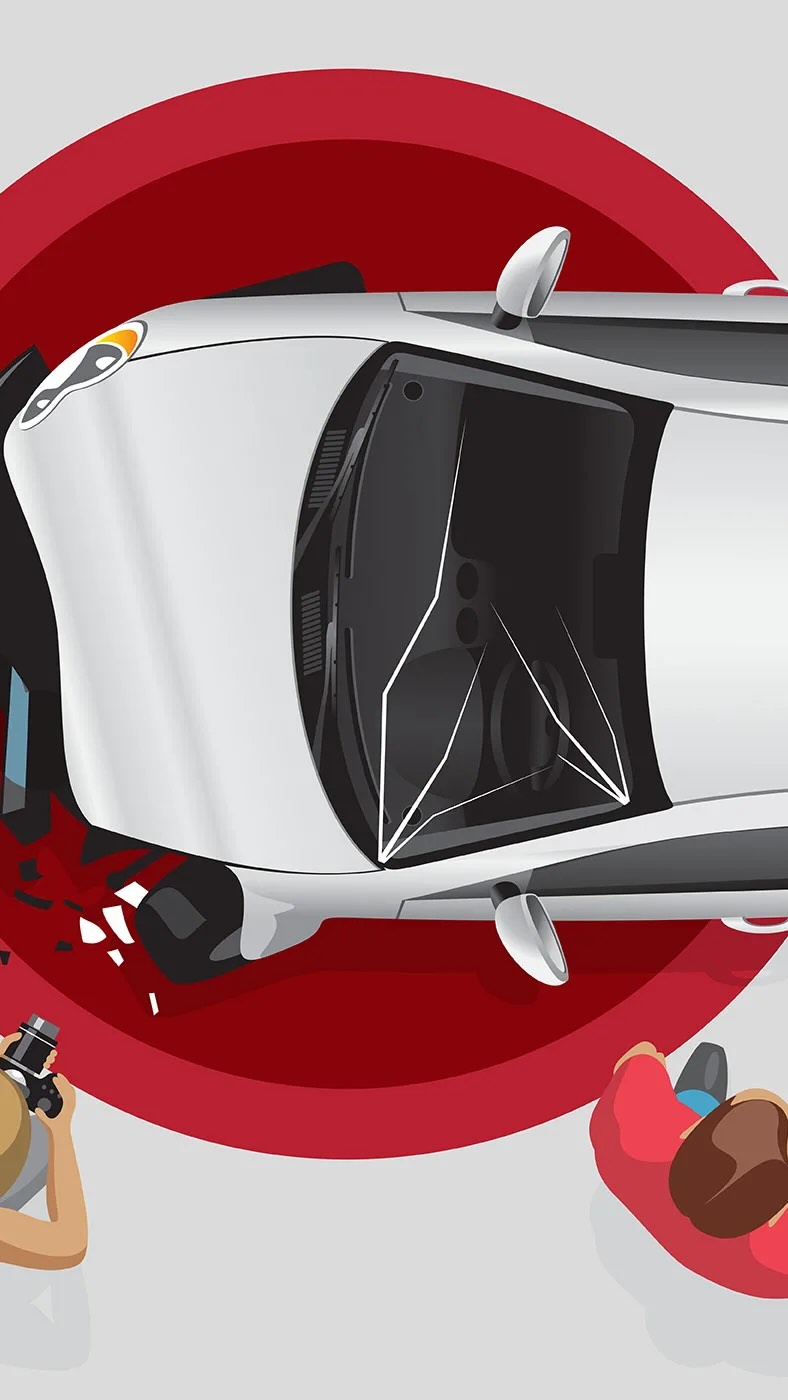
Traffic accidents often lead to extremely unpredictable consequences for the property of road users. In the most complex situations, the damaged vehicle sustains such severe deformation of the load-bearing body that its subsequent repair completely loses any objective economic sense. In their professional practice, insurance experts usually refer to such a critical situation as a total loss of the insured property, which requires the application of a completely special legal procedure to resolve the issue. A material loss with far-reaching consequences always becomes a real bureaucratic ordeal for absolutely any average driver. It is important to remain as calm as possible and clearly understand the procedure established by law.
Assessment of the vehicle’s technical condition after a serious accident
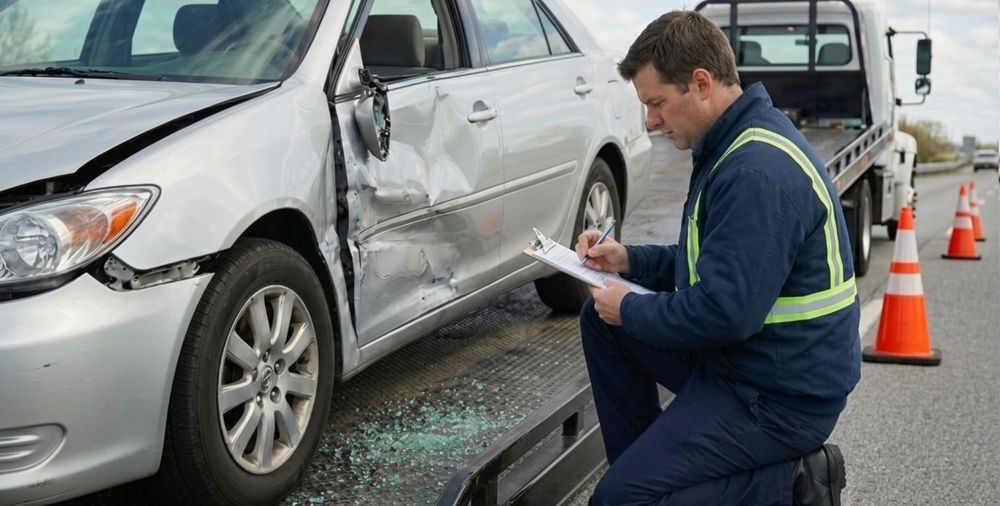
The first step after an accident is a professional, independent assessment of the auto technical condition. Certified specialists thoroughly examine the total damaged vehicle for possible hidden defects and critical deviations from the factory geometry of the load-bearing frame. Only after a thorough instrumental inspection can the total extent of damage to the main mechanical components be objectively confirmed. Every loss identified by the technical expert is recorded in an official, detailed report for subsequent calculations.
The comprehensive assessment procedure includes several basic stages:
- A careful visual inspection of all total damaged exterior elements and plastic body parts.
- In-depth computer diagnostics of expensive electronic control and safety systems.
- Precise measurement of the metal body’s geometry on a specialized laser inspection stand.
This comprehensive list of mandatory steps allows for the most objective assessment of the traffic incident and calculation of the loss.
Key factors in calculating
Major insurance companies use strict mathematical formulas to make a final decision on each insurance claim. If the estimated repair costs significantly exceed the market value of the property, the vehicle is officially subject to total write-off without the right to further technical restoration. A standard property insurance contract clearly specifies a percentage threshold that legally determines the status of the case in question according to the company’s internal regulations. The financial loss resulting from a traffic accident is calculated by specialists, taking into account the natural wear and tear of parts.
Key factors in the mathematical calculation of profitability and damage assessment:
- the exact model year and confirmed actual mileage prior to the collision;
- the physical nature of the impact and its direct effect on the final cost of body repairs;
- the overall condition of the passenger compartment and the presence of deployed front airbags.
These basic assessment parameters allow us to generate the most accurate and fair final estimate.
Hidden internal defects and their direct impact on the estimate
A perfectly satisfactory exterior appearance after a severe head-on collision does not always objectively reflect the true extent of serious internal damage. Often, a vehicle that appears visually intact has hidden but critical damage to the load-bearing metal side members or irreversible deformation of the engine compartment. It is precisely these complex and hard-to-reach defects that can instantly change the repair plan, determining the extent of damage in a single day of in-depth diagnostics. It is extremely important for every responsible car owner to understand that this invisible loss must be compensated by the insurance company.
The economic feasibility of repair work
If the current market price of new parts is too high, repairing a totally damaged car is completely unprofitable from a financial standpoint. An insurance company representative compares the repair shop’s estimate and officially declares the vehicle a total loss based on data received from independent experts. The existence of such a material loss compels the legal owner of the property to actively seek alternative solutions to the problem.
There are several common options for disposing of the salvageable remains:
- Voluntary transfer of all metal remains to the insurance company in exchange for an agreed-upon payment.
- Quick sale of the damaged asset to specialized companies or private buyers.
- Long-term independent sale of salvageable working parts on the aftermarket for auto parts.
The final choice of the specific optimal approach depends on the owner.
Standard procedure for handling salvageable remains
If the owner decides to keep the wrecked auto in the garage, a special commission assesses the amount for which the wrecked vehicle can be quickly sold at closed auctions for accident-damaged cars. This estimated amount is deducted from the payout, and the bank transfer to the client’s account is proportionally reduced. Ultimately, the entire financial loss falls heavily on the shoulders of the person, who will be forced to sell the scrap metal from the auto body on their own. A completely dismantled car can generate additional profit if the process is handled correctly. In such a case, the total damage amount set by the insurer is partially offset by the proceeds from the sale of the salvaged parts. Careful planning of the sales process will help minimize your final loss and recover part of the money invested in the purchase.
Professional assistance and technical support from specialized experts
In non-standard and technically complex situations, drivers are better off relying on the many years of practical experience of professional service centers. For example, at Calibri Motorsport, they know how a sports or premium-class vehicle should be serviced, what defects appear in critical components under regular extreme loads, and understand all the hidden nuances that arise after a collision. Timely and high-quality maintenance helps effectively prevent any premature deterioration of the factory performance characteristics of an expensive sports car.
Further mandatory steps after receiving monetary compensation
Once all disputed financial issues with the insurance company have been successfully resolved, the final stage of officially deregistering the vehicle begins. It is important for the owner to submit the appropriate application to government authorities in a timely manner so that the auto, which is not subject to restoration, is removed from the regional tax database. Canceling the current registration after legally formalizing the car’s status will guarantee that you are not illegally charged the annual road tax.
General final recommendations for all responsible owners
Proper preparation helps minimize the inevitable psychological stress following an accident. An insurance policy will protect your vehicle from most unforeseen road circumstances and sudden serious financial risks. Read the contract carefully to clearly understand all the stipulated conditions for total loss claims before signing the documents. A competent approach ensures that any potential material expenses will in total be covered by the substantial financial reserves of the selected company.
Follow Calibri Motorsport on Instagram
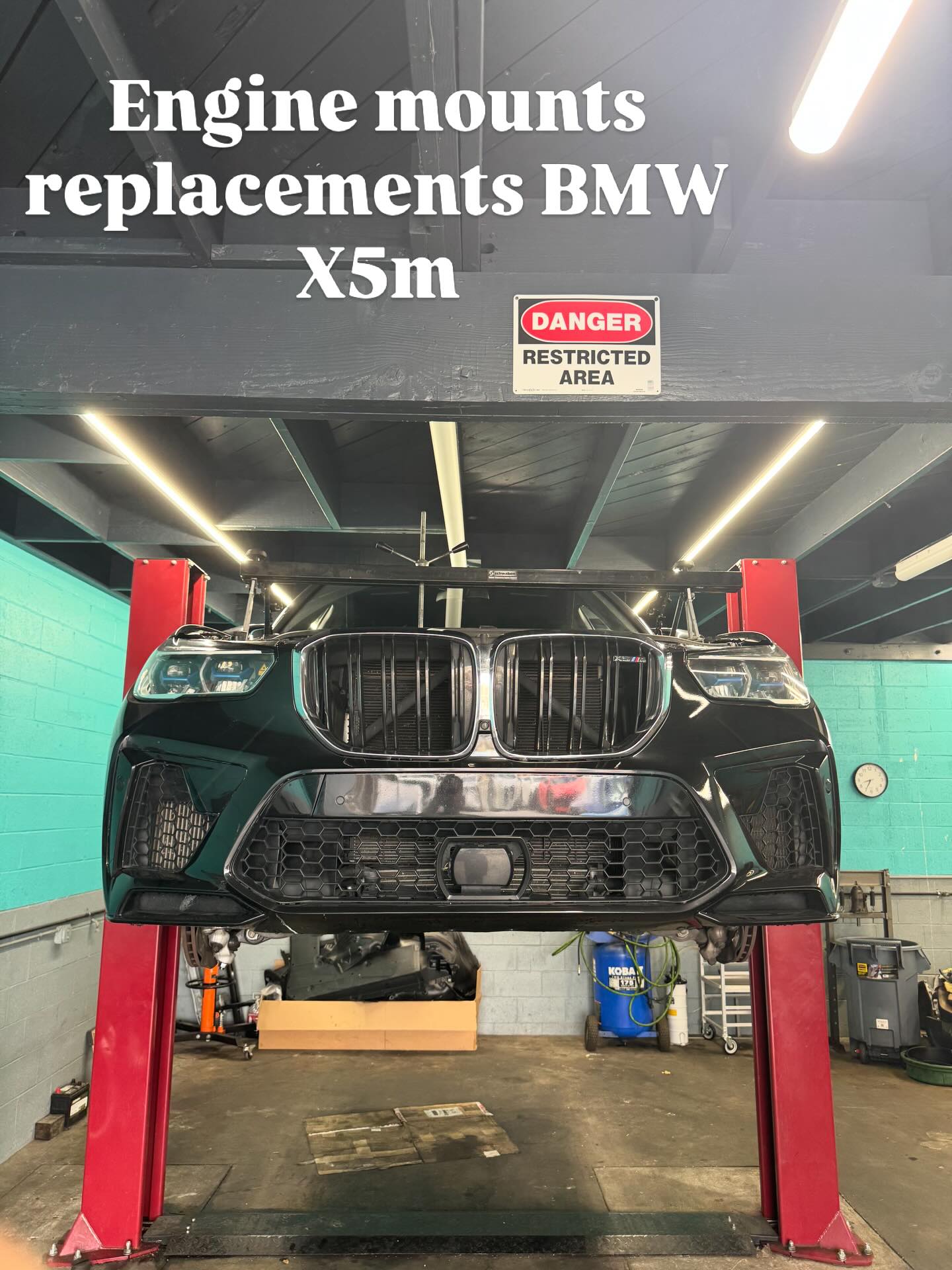
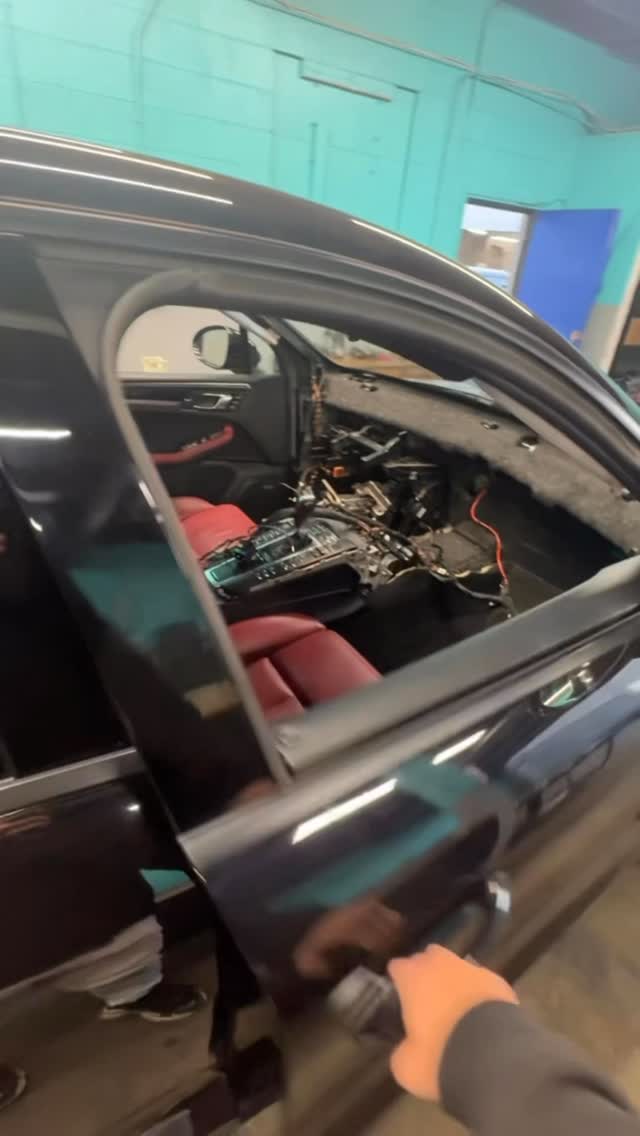
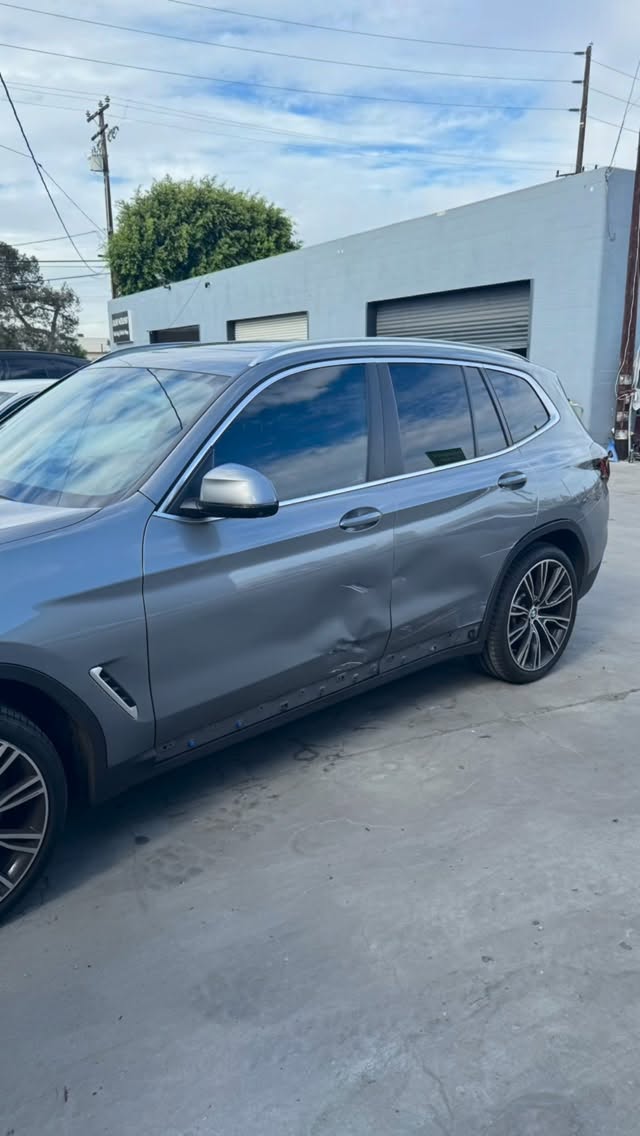
Stay connected with Calibri Motorsport on Instagram and discover our latest auto repair and collision projects in Los Angeles.
• Instagram: @calibrimotorsport •

Car Brands We Service in Los Angeles
Let’s get in touch
Fill out the form and our specialists will help you with your problem.
Free estimate
Please fill in the form below. Uploading pictures of your car in the best way, you can inform us about your car’s condition