











Such a great experience from start to finish! The staff was very kind, professional and honest which is hard to find these days. Their services are efficient and I will definitely be coming back. Highly recommend :)
Trusted by Los Angeles Drivers
Great attention to detail repairing the damage to my car! Fast turnaround and great customer service!
Excellent service and quality work. My vehicle was repaired perfectly and looked like new when I picked it up. The team kept me updated throughout the process and completed everything on time. Very satisfied with the experience!
I would like to express my sincere gratitude to the team at Calibri Motors for their professional approach and excellent service! The work was completed quickly, efficiently. I especially appreciated the attentive customer care — everything was explained in detail, the issues were clearly shown, and the best solution was offered at a reasonable price. My car is running perfectly after the repair. From now on, I’ll only come to you and will definitely recommend you to my friends and family!
I was in a car accident. I went to this body shop and guys fixed everything. The car looks like new now. Highly recommended! I’ll definitely be coming back for service
Great experience! Extremely well organized system, got things done in a timely manner.
Fast and efficient service, oil change and vehicle maintenance for my Porsche. Will definitely be back
Great and quick service. Had an accident and received immediate help with my car and a replacement car as well. Would recommend to anyone📣
Let’s get in touch
Fill out the form and our specialists will help you with your problem.

Calibri Motorsport Location
The Calibri Motorsport shop offers a complete, comprehensive range of automotive service to ensure that your automobile is always in perfect technical condition. Our modern shop is fully equipped and technologically ready to perform any repair – from quick and routine oil and filter changes necessary for scheduled maintenance to the most complex computer diagnostics and major car renovation. We accept vehicles of all makes and models.
Features of Jeep maintenance and repair by an experienced mechanic
American SUVs were designed for heavy-duty use, so their maintenance goes far beyond a routine oil change. An experienced mechanic knows that the durability of this vehicle depends on the condition of the axles and transfer cases. A professional eye is essential here to detect wear in the systems that every Jeep is renowned for. Preventive maintenance allows you to preserve the service life intended by the engineers, even under harsh operating conditions.
Areas of particular focus during inspection
There are components that take the brunt of the impact when a Jeep leaves the pavement. A qualified mechanic always begins diagnostics by checking the seals of the assemblies and the integrity of the suspension.
Owners should regularly monitor the condition of these systems:
- Transmission fluid in the differentials – the presence of an emulsion after fording quickly destroys the bearings.
- Constant-velocity joints – the slightest tear in the dust boot allows abrasive particles to enter and causes the joint to seize.
- Steering links and tie rod ends – vibrations from rough roads break the joints, depriving the driver of precise control.
- Automatic transmission cooling system – dirt on the transmission radiators is the main cause of overheating and clutch failure.
- Powertrain mounts – due to high torque, engine mounts are subjected to enormous loads.
Timely detection of defects in these areas helps prevent serious breakdowns. A good mechanic ensures that your Jeep won’t let you down when it matters most.
Honest diagnostics: identifying the causes
Effective repairs begin with correctly identifying the root cause of the malfunction your Jeep is experiencing. When a professional takes on the job, the goal isn’t simply to replace a part, but to understand why it failed prematurely. This approach saves the owner money and ensures the component’s longevity.
The algorithm for identifying hidden problems usually includes the following steps:
- Dynamic test: checking the vehicle’s behavior while in motion to pinpoint unusual noises.
- Load inspection: checking for suspension play on a four-post lift while all components are in their operating positions.
- Cylinder endoscopy: visual inspection of the piston assembly without removing the cylinder head.
- Computer diagnostic scan: detection of software glitches and errors in the stability control system.
- Instrumental pressure measurement: checking the operation of the oil pump and fuel system using mechanical instruments.
After completing all procedures, the mechanic draws up a work plan. This allows you to plan expenses based on expert opinion rather than guesswork.
Preparation for operation in extreme conditions
For those who use an SUV for its intended purpose, factory settings are often insufficient. To ensure the vehicle confidently handles challenging routes, proper hardware modifications are required, which an experienced mechanic will perform. It is important that all modifications are balanced and do not turn the vehicle into an unsafe custom build.
The list of basic modifications to improve off-road capability is as follows:
- Underbody protection. Installation of high-strength aluminum or steel plates to cover vulnerable areas of the underbody.
- Air intake relocation. A snorkel is necessary to protect the engine from water ingress when fording water obstacles.
- Suspension reinforcement. Use of shock absorbers with increased travel and stiffer springs.
- Rock rails. Protection for the body sills and the ability to use a high-jack in off-road conditions.
A specialist will help you select components so that your Jeep remains controllable on the road and reliable in the terrain. Proper tuning is a combination of engineering calculations and practical experience.
Engine and fuel system health
American engines are renowned for their durability, but are extremely sensitive to temperature conditions. Any Jeep requires a clean underhood area. If the radiators are not monitored, accumulated debris will create a thermal blockage, which is destructive to the cylinder head.
For a long engine life, it is recommended to perform the following procedures:
- cleaning the throttle body and fuel injectors every 40,000 km for a stable idle;
- flushing the radiator core with removal to remove the risk of overheating in the summer;
- checking the spark plugs, as their wear causes malfunctions in the expensive ignition coils;
- inspect the pump for leaks and play to prevent sudden loss of coolant.
When maintenance is performed by a competent mechanic, the powertrain can last hundreds of thousands of kilometers without a major overhaul. The key is to use high-quality consumables and not ignore the first signs of malfunction.
Electronic systems and software tuning
Modern Jeep models are complex hardware-software systems controlled by dozens of controllers. Often, issues are resolved not with a key but via a diagnostic scanner. Many settings are stored in the on-board computer and require periodic adjustment.
Software intervention allows for a wide range of tasks:
- calibration of the speedometer and odometer after switching to non-standard tire sizes;
- adjustment of the fan activation temperature for better cooling;
- diagnosis and troubleshooting of fuel-related issues in emissions control systems;
- adapting new electronic modules and sensors after replacement;
- activating additional comfort features built into the vehicle by the manufacturer but hidden in the database.
At Calibri Motorsport, we pay special attention to digital diagnostics for Jeep. If a mechanic knows how to work with specialized software, this guarantees that your vehicle will function perfectly at the software level.
Choosing components: why quality comes first
The aftermarket is flooded with cheap knockoffs, but for vehicles like the Jeep, cutting corners often backfires. Chassis components must withstand shock loads, as any qualified mechanic will confirm. High-quality parts are the foundation of safety on long trips.
Benefits of using genuine or proven brand-name parts:
- Precise fit – no play and no need for adjustments during installation.
- Material durability – metal and rubber retain their properties under extreme temperatures.
- Warranty coverage – the ability to replace a component if a manufacturing defect is found.
- Safety – confidence that the braking system or steering won’t fail at a critical moment.
- Retained value – a vehicle with a quality service history is much more attractive when resold.
Any self-respecting mechanic always insists on using proven parts. This is the only way to guarantee that your car will return from any trip under its own power.
Conclusion
Maintaining an SUV is an investment in your confidence on any terrain. The technical condition of a Jeep directly depends on the quality of service. A professional mechanic knows the nuances of this brand, whether it’s for city driving or off-road use. Regular diagnostics at a specialized center like Calibri Motorsport is the only way to avoid costly repairs in the future. Remember that a competent specialist directly determines the limits of your freedom, allowing your vehicle to explore new routes without unnecessary risk.
Follow Calibri Motorsport on Instagram
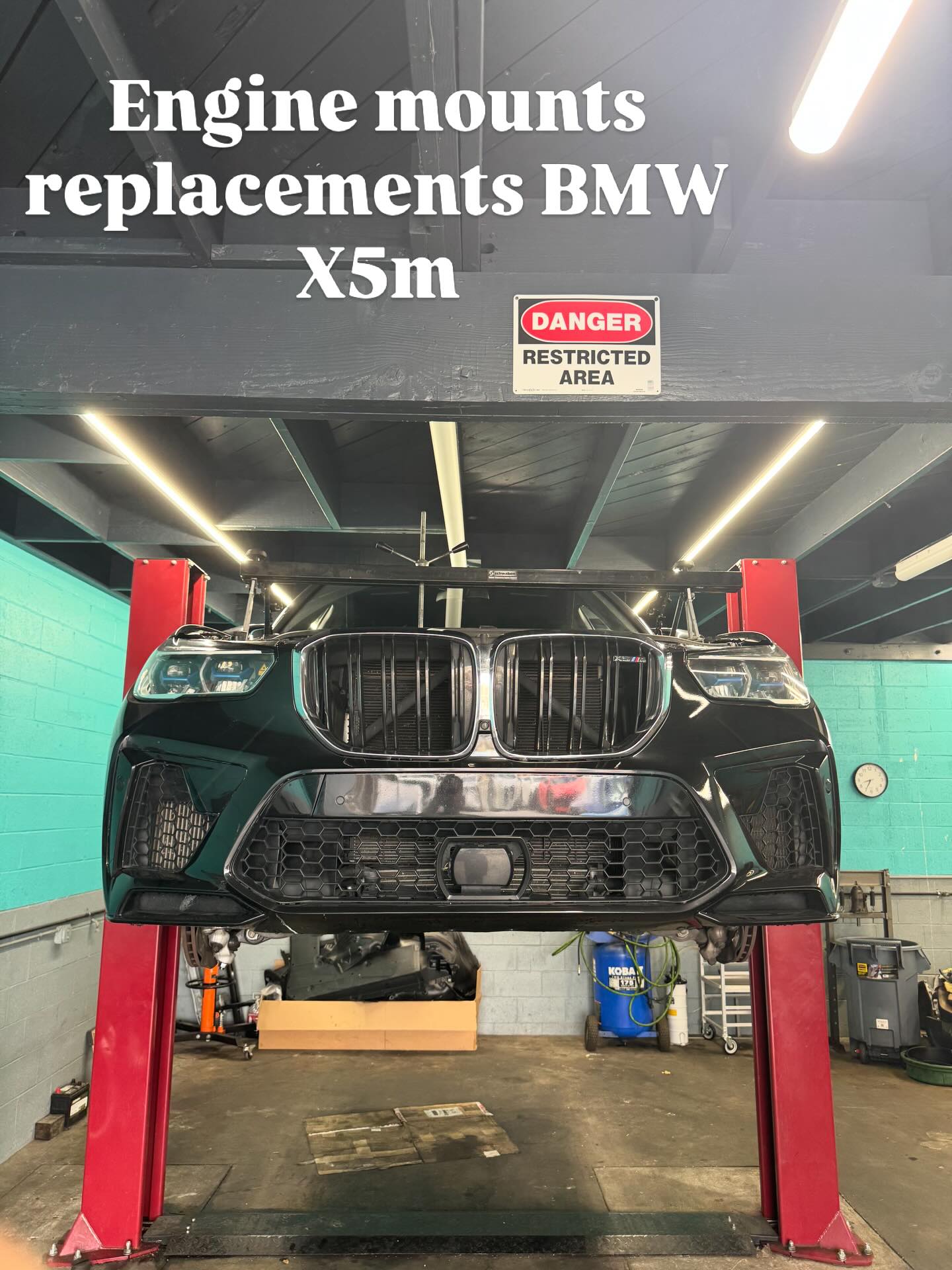
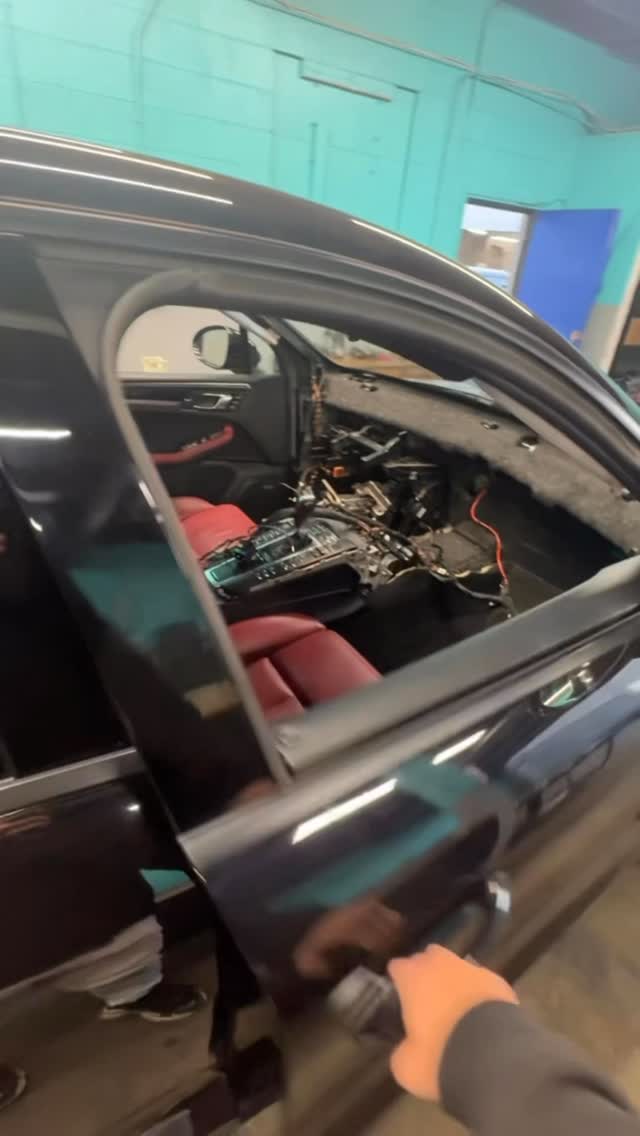
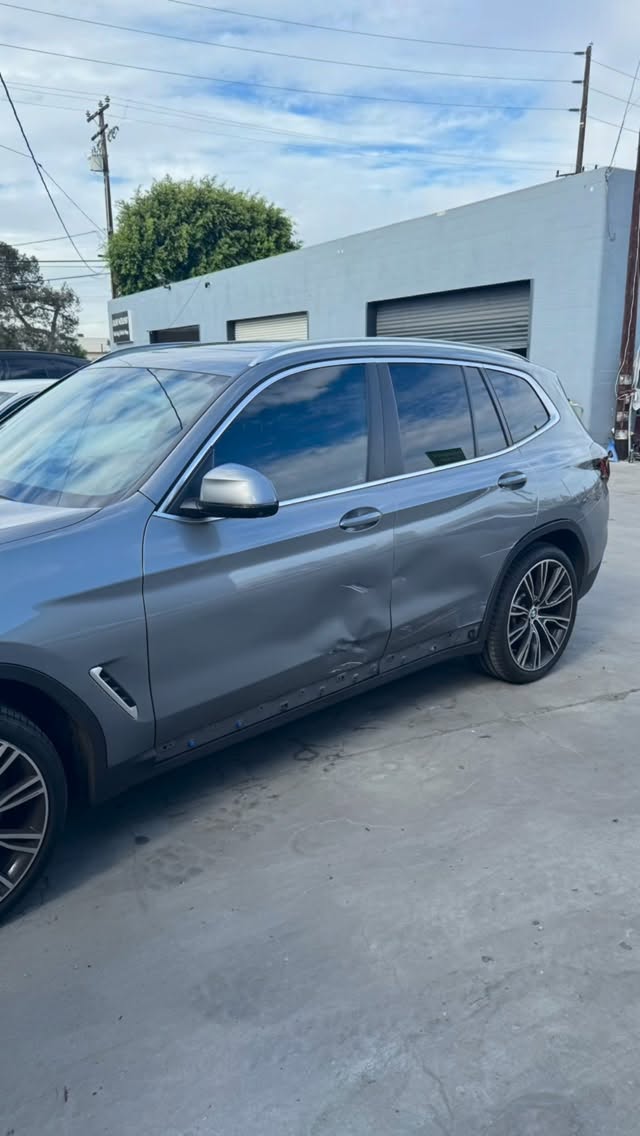
Stay connected with Calibri Motorsport on Instagram and discover our latest auto repair and collision projects in Los Angeles.
• Instagram: @calibrimotorsport •




Car Brands We Service in Los Angeles
Free estimate
Please fill in the form below. Uploading pictures of your car in the best way, you can inform us about your car’s condition